

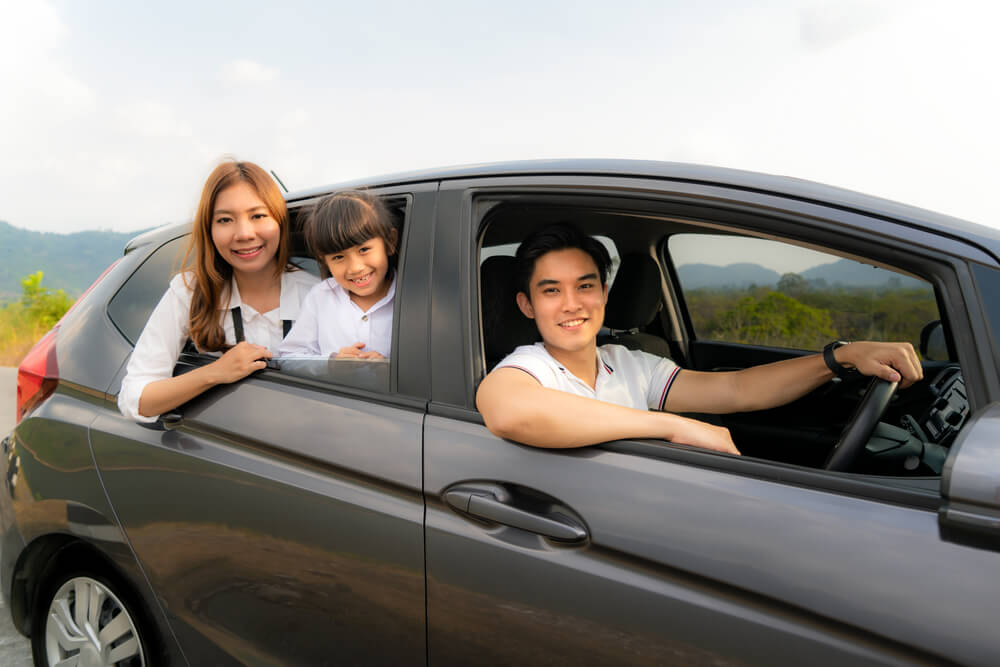
Many visitors find renting a car in Thailand confusing or stressful. Over 35 million tourists visit each year, and many choose self-drive transport for more freedom. This guide on “Thailand Car Rentals For First-Time Visitors” will explain all you need, from rental requirements to road safety tips.
Keep reading if you want a smooth start to your trip witht his guide to Thailand Car Rentals For First-Time Visitors.
Requirements for Renting a Car in Thailand
To rent a car in Thailand, you need some important documents. You must have an International Driving Permit (IDP), a valid passport, and your driver’s licence.
International Driving Permit (IDP)
Most rental agencies in Thailand require an International Driving Permit (IDP) with your home country licence. The IDP must be issued under the 1949 Geneva Convention and remain valid for the full period of your stay.
Police or car hire staff may ask to see both documents if stopped or at pick-up.
You need to get your IDP before leaving your home country, as you cannot apply once in Thailand. Some insurers will also only cover accidents if you hold a proper permit. Having an IDP helps avoid fines and makes dealing with authorities easier when driving as a tourist in Thailand.
Valid Passport and Driver’s Licence
Car rental companies in Thailand always ask for a valid passport. You must show your original passport when signing the rental agreement. The company will copy your identification documents and keep them on file during the booking.
A valid driver’s licence is also required. If your licence is not in English or Thai, show an International Driving Permit along with it. Both documents must be current and unexpired to meet driving requirements under Thai law.
Failing to present these can lead to a rejected booking or fines if stopped by traffic police while driving in Thailand.
Credit Card for Deposit
Most rental agencies in Thailand ask for a credit card as a deposit. The agency blocks an amount on your card, usually between 5,000 and 15,000 baht. This holds as security for the vehicle during your hire period.
Cash deposits are less common at major rental providers. Prepaid cards and debit cards often do not work for deposits. Using a credit card helps cover costs if there is damage or extra charges after you return the car.
Always check with your chosen provider about their deposit policy before booking to avoid any problems at pick-up.
Age and Driving Experience Restrictions
Car hire agencies in Thailand often set a minimum age of 21 for drivers. Some rental companies need you to be at least 23 or even 25 years old. Most also want you to have held your valid driving licence for one or two years before renting a vehicle.
Extra fees, called “young driver surcharges,” may apply if you are under 25.
Anyone planning tourist transportation should check the specific rules with their chosen rental provider, as local agencies and international car rental agencies can have different requirements.
Proof of an International Driving Permit is required along with your home country’s licence for legal driving in Thailand.\.
Always clarify driver age limits and experience rules while booking; these vary between providers.
Next, consider choosing the right rental company that suits your travel needs.
Keep reading to learn more about Thailand Car Rentals For First-Time Visitors.
Choosing the Right Rental Company
Choosing a good rental company matters for your trip. Look for both international and local firms that fit your needs. Check reviews and prices to find the best option. Read about their policies, too.
This helps you avoid surprises later. Want more tips? Keep reading!
International Car Rental Agencies
International car rental agencies operate in Thailand. They offer reliable services and a wide range of vehicles. Popular options include Hertz, Avis, and Budget. These companies often have locations at airports and major cities. However, local car rental companies like SPS Car Hire are also great choices because they have great deals and local knowledge in Thailand.
Rates can vary based on the time of year and type of vehicle. Many agencies allow online booking for convenience too. Customers should check if the agency provides insurance cover with the rental.
Always review the rental agreement carefully before signing it to understand all terms clearly.
Local Thai Rental Providers
Local Thai rental providers offer a wide range of vehicles. They often have lower prices compared to international agencies. These companies understand local needs and preferences well.
Many offer services like delivery to your hotel or airport.
Booking with a local provider can also give you insider tips on the best routes and attractions. This personal touch enhances your travel experience in Thailand. Next, discover some important tips for driving in Thailand.
Tips for Driving in Thailand
Driving in Thailand can be a unique experience. Always follow local traffic rules. Drive on the left side of the road. City traffic might feel busy, while countryside roads are more relaxed. For safety, stay alert and watch for bikes and pedestrians. Refer to our guide for more tips on driving in Thailand!
Understanding Traffic Rules
Traffic rules in Thailand can differ from those in other countries. Cars drive on the left side of the road. Always wear seat belts, and ensure that all passengers do too. Speed limits vary; they are usually 60 km/h in towns and 90 km/h on highways.
Watch for signs; they guide you through traffic laws. Use indicators when changing lanes or turning. Mobile phone use while driving is banned unless using a hands-free device. Be alert for motorbikes that often weave through traffic.
Understanding these regulations helps ensure safety on your journey through Thailand’s roads.
Driving on the Left Side of the Road
In Thailand, you must drive on the left side of the road. This may feel strange for first-time visitors from countries that drive on the right. Watch out for signs and other vehicles to help guide you.
Understanding local traffic rules is key to staying safe. Give way to cars coming from your right at roundabouts. Use your indicators to signal when you turn or change lanes. Keep an eye on pedestrians, especially in busy areas.
Familiarising yourself with these rules will make driving more enjoyable and stress-free in Thailand.
Navigating City Traffic vs Countryside Roads
City traffic in Thailand can be busy and chaotic. Expect heavy congestion during peak hours. Motorbikes weave through lanes, adding to the hustle. Drivers must stay alert and patient.
Countryside roads offer a different experience. They are usually quieter and more relaxed. Scenic views of nature surround you, making driving enjoyable. Keep an eye out for animals crossing the road or other hazards.
Understanding these differences helps with planning your route and driving style in Thailand. Next, explore tips for driving safely in this vibrant country.
Benefits of Renting a Car in Thailand
Renting a car in Thailand offers great flexibility. You can explore at your own pace and visit many places off the beaten track.
Flexibility and Convenience
Renting a car in Thailand offers great flexibility. You can travel at your own pace and visit places off the main tourist paths. This is perfect for discovering hidden gems or enjoying scenic drives without rushing.
Convenience is another big plus. You avoid crowded buses and long waits for taxis. A rental car allows easy access to popular attractions, shopping areas, and local eateries. It makes exploring Thailand much simpler and more enjoyable during your trip.
Cost-Effectiveness for Group Travel
Group travel can be costly. Renting a car in Thailand helps you save money. Costs for public transport or taxis add up quickly. A rental car splits the cost among friends or family, making it cheaper per person.
You also gain more value with a rental. Groups can explore together at their own pace. You avoid waiting for buses or rideshare services. This flexibility makes your trip even better and saves time too. Keep reading to hear our final thoughts on Thailand Car Rentals For First-Time Visitors.
Thailand Car Rentals For First-Time Visitors
Renting a car in Thailand is a great choice for first-time visitors. You gain freedom and control over your travel plans. Follow the guidelines to ensure a smooth experience. Choose the right rental company, understand driving rules, and enjoy the journey.
Your adventure awaits on Thailand’s scenic roads!
About SPS Car Hire
SPS Car Hire is Pattaya’s premier low cost car hire company.
We specialise in affordable car rentals, truck rentals and motorcycle hire in Pattaya and Jomtien.
Our English and Thai speaking staff provide clear, helpful service for both short stays and longer term rentals.
With competitive prices, special rental offers and well maintained vehicles, SPS Car Hire makes getting around the region simple and cost effective.
Why choose SPS Car Hire?
- Competitive prices with special offers and great rates for long term rentals
- Full first class insurance included on all rental cars at no extra charge
- Free delivery and collection to your hotel or home anywhere in the Pattaya or Jomtien area
- A wide choice of well maintained vehicles to suit every need and budget
Pattaya Bike Hire
Need something lighter and more flexible?
We also provide motorcycle and scooter hire with new or nearly new models.
These bikes come at some of the lowest rates in Pattaya, with delivery and pickup included in the Pattaya and Jomtien area.
Renting a bike saves money compared to regular transport and gives you the freedom to explore beyond the usual routes and times.
Explore our fleet
The selection of Pattaya rental cars includes compact models, SUVs and trucks for daily, weekly or monthly use.
Bike hire covers nearly new Yamaha Nuovo and Honda Mio scooters at competitive local rates.
Special offers and discounted packages appear in the current monthly promotions.
Whether you need a car for a day, a week, or a longer stay, SPS Car Hire delivers reliable service, transparent pricing, and genuine local support.
Book with SPS Car Hire
Book a monthly automatic scooter in Pattaya with SPS Car Hire.
Understanding Insurance Coverage and the Security Deposit
First class car insurance forms the main protection layer on most Thai rentals. It covers damage to the vehicle itself in single-car incidents and protects against third-party claims. Basic compulsory cover only handles medical costs for others. It leaves the rental car unprotected. A car security deposit stays held on a credit card or as cash while the hire lasts. The company releases it after the car returns without issues. Excess amounts set the limit a driver pays before full cover applies. Many people review the details of first class insurance when comparing options for a short stay in Pattaya.
Coverage can fail if the driver lacks a valid International Driving Permit with the home licence. The policy then treats the incident as uncovered. Tyres, glass and underbody damage often sit outside standard terms. Fuel policy and mileage limits appear separately in the agreement. A clear record of the deposit amount and excess level avoids later disputes. Drivers who plan longer trips check how long-term car rental insurance works for multi-week hires. Full details on local cover also appear in guides to car rental insurance in Pattaya.
- Confirm the policy includes own-damage cover.
- Note the exact excess figure before signing.
- Ask how the deposit hold ends after return.
- Keep a copy of the digital policy on a phone.
How to Choose the Right Vehicle for Your Thailand Itinerary
A compact sedan works for two people with light bags on main roads. Larger groups or extra luggage fit better in an SUV or seven-seat model. Automatic gears suit most visitors who face unfamiliar junctions. Manual cars appear less often in tourist fleets. Pickup trucks handle beach gear or longer loads when seats stay secondary. People heading to nearby islands or national parks often select from the range of car hire that include both city-friendly models and higher-clearance options.
Road type shapes the choice. Highway runs stay smooth in a standard sedan. Narrower coastal or hillside routes feel steadier in a vehicle with more ground clearance. Air conditioning strength matters in coastal heat. Fuel type stays consistent within most fleets, yet the agreement states the exact grade. Drivers who stay in the Pattaya area for a month sometimes move to monthly car rentals for the same vehicle class at a different rate structure. Those carrying heavier loads look at options for pickup truck hire that still include standard seating.
- Count seats and luggage space before booking.
- Prefer automatic if local traffic feels new.
- Match ground clearance to planned routes.
- Check air-conditioning performance for daytime use.
Latest News In 2026
Digital compulsory policies replaced paper versions from the start of 2026. Each vehicle carries an electronic record that police or insurers can check on the spot. First-class cover remains the voluntary layer that handles own-vehicle damage and higher third-party limits. Stricter checks now apply to licence documents at pickup. An International Driving Permit must match the home licence for the policy to stay active. Excess figures for standard cars typically sit in a set band that appears in the written agreement. Companies that offer free delivery in the Pattaya and Jomtien area continue to include full first-class cover on the vehicles they hand over. Details on current delivery arrangements appear with information about rent a car home delivery.
Frequently Asked Questions
What happens to the security deposit if the car returns with no new damage?
The company releases the hold once staff confirm the vehicle matches the original condition record. Timing follows the agreement, often within a few business days after the return inspection finishes. Staff compare photos and notes taken at pickup with the state of the car on the day it comes back. Any existing marks already listed stay outside the process. Drivers who keep a personal copy of the handover notes find the release moves faster when questions arise about small marks. Clear records from the car rental damage policy and the original car rental deposit policies help the process stay straightforward when the vehicle shows no new issues.
Does first class insurance cover tyre or windscreen damage?
Standard terms usually exclude tyres, glass and underbody. Extra cover or a separate excess applies for those items in most agreements. The main policy still handles body damage from collisions and third-party claims. A driver who hits a pothole and damages a wheel normally pays the excess or the repair cost directly. Reading the exact exclusions in the rental agreement shows which parts fall outside the standard first class car insurance layer before the trip starts.
Which vehicle type suits a trip with two large suitcases and three adults?
A mid-size sedan or compact SUV provides the needed boot and cabin space. Seven-seat options add flexibility if more passengers join later. The boot of a standard sedan usually holds two large cases upright with room left for smaller bags. An SUV gives higher seating and easier loading when the group stops often. People who already know the route length often match the choice to models listed under car rental that balance comfort and fuel use on coastal roads.
How does the fuel policy work on a typical rental?
The agreement states whether the car leaves full and returns full, or follows a prepaid level. Stations on main routes accept both cash and cards. Most short hires use the full-to-full system so the driver fills the tank near the return point. The policy line also names the correct fuel grade for the engine. Keeping the receipt from the final fill helps if staff question the level on return. Drivers who plan longer days check the same rules that appear in guides about driving in Thailand.
Can an additional driver be added after the rental starts?
Most agreements allow a named additional driver if the person meets age and licence rules and appears on the contract before driving. The extra name goes on the form at the office or through a quick update. The second driver must carry the same documents as the main renter. Once listed, the person can take the wheel without breaking the insurance terms. Adding the name early avoids any gap if plans change during the hire period.
What voids first class insurance during a hire?
Driving without a valid International Driving Permit, operating under the influence, or using the car outside the agreed area can cancel cover. The policy also fails if the driver lets an unlisted person take the wheel. Minor breaches such as ignoring a clear fuel grade or returning the car with major unreported damage can lead to the same result. Keeping the correct papers and staying inside the stated area keeps the protection active for the whole trip. Full explanations of these points appear in the current guide to car rental insurance in Pattaya.
SPS Car Hire Pattaya is the perfect place for Thailand Car Rentals For First-Time Visitors. Please click on the button below for more details, or click here to see our other services.
 -
 -
 -
 -
 -
 -
 -