

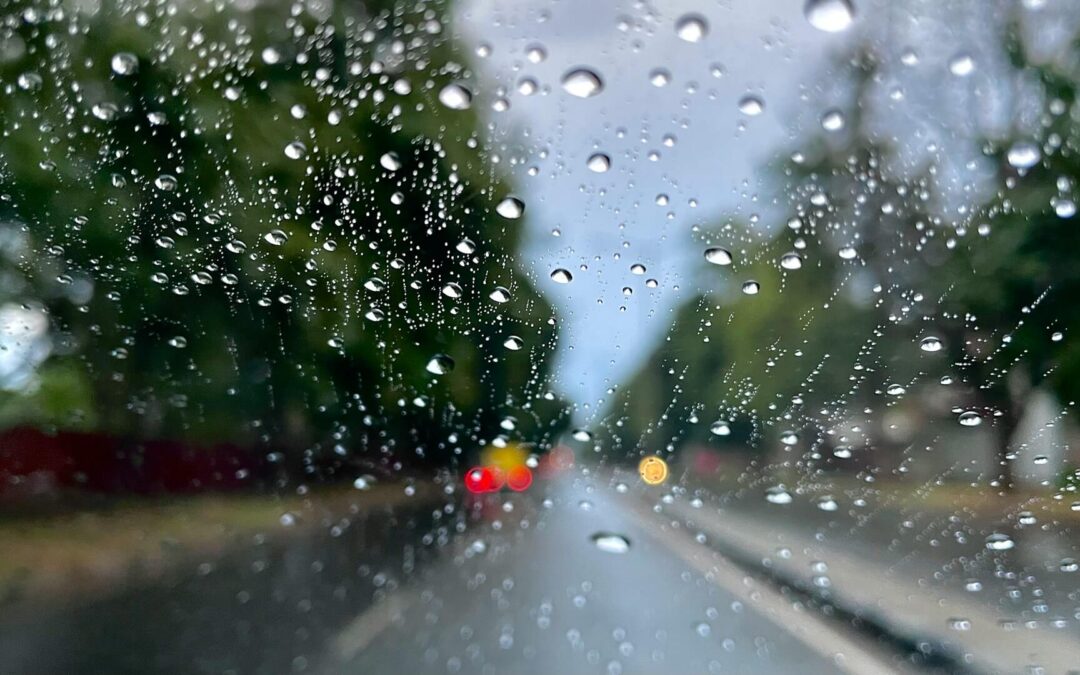
Worried about wet roads and skids during Rainy Season Driving In Thailand? The rainy season runs from May to October and brings heavy, slippery rain. This guide shows checks, driving tips, and moped advice to keep you safe.
Read on.
Preparing Your Vehicle for the Rainy Season
Check your tyres and windscreen wipers before the rain comes. Make sure everything works well to keep you safe on the roads.
How do I check my tyres and windscreen wipers before the rainy season?
Prepare your car and moped now for Thailand’s rainy season, which runs from May to October. Heavy rain makes roads slippery and raises accident risk.
- Inspect tyre tread depth and sidewalls, aim for at least 3 mm tread, look for cracks, bulges or uneven wear, tyre condition is critical for wet traction.
- Measure tyre pressure when cold, inflate to the vehicle maker’s recommended PSI, underinflated tyres reduce grip and raise hydroplaning risk.
- Replace summer tyres with wet-weather tyres if tyres show low tread or poor water displacement, wet tyres give better traction on flooded roads.
- Test windscreens and wipers, run them at low and high speed, replace blades if they streak or skip so visibility stays clear during heavy rainfall.
- Test headlights, tail lamps and fog lamps on each trip, use them in rain so other drivers spot you and reduced visibility risks drop.
- Fit a quality windscreen washer fluid and keep jets clear, dirty glass or blocked jets cut visibility on busy Thai roads with faded markings.
- Note road hazards like potholes, loose gravel and faded lines, these become more dangerous in the monsoon and increase accident potential.
- Pack emergency equipment, include a torch, high-visibility vest, basic tools, phone charger and first aid, carry them at all times for rainy season travel.
How can I ensure my headlights and fog lamps are working correctly?
Check your lights before the rainy season. Do this test in daylight and at night.
- Turn on headlights and fog lamps, walk around the car, and check that every lamp lights up clearly; this meets the need for lighting inspection during heavy rain and low visibility.
- Swap a blown bulb immediately; keep spare bulbs and a small toolkit in your emergency equipment kit, which you should carry during the May to October monsoon.
- Test high and low beams separately, confirm beam aim stays level, and fix misaligned lamps to avoid dazzling other road users on wet Thai roads.
- Inspect lamp lenses for clouding or cracks, clean or replace them if needed, because faded covers cut visibility in heavy rain and raise accident risk.
- Check fog lamp wiring and switches, look for loose connections, and have a mechanic repair faults to ensure fog lamps work in poor visibility.
- Use headlights or fog lamps in heavy rain, turn them on early, and signal your presence to reduce collisions on slippery surfaces.
- Check that dashboard warning lights show normal status, scan for bulb-failure indicators, and address any warning immediately before you drive.
- Combine a wiper check with your light test; good wipers and working lamps together keep visibility clear while tyres and road hazards matter most in the rainy season.
Adjusting Your Driving Style for Wet Conditions
Adjust your driving style when the roads are wet. Drive slower and keep more space between you and the car ahead.
Why should I reduce speed and keep a safe distance when driving in rain?
Reduce your speed to keep control on slippery roads. Wet tyres lose traction, so check tyre tread and change to tyres that displace water for better grip. Thailand’s monsoon runs from May to October, with heavy rain and faded road markings that hide potholes and loose gravel.
Headlights and fog lamps must be on in heavy rain to boost visibility for you and other road users.
Carry emergency equipment in the vehicle at all times during the rainy season. Inspect wipers and lighting systems before you drive; clear glass and working signals cut accident risk.
Poor visibility and sudden obstacles increase crash potential, so leave more distance between vehicles. >Drive slower, see farther, stop safer.
Next, learn how to avoid sudden braking or sharp turns on wet roads.
How can I avoid sudden braking or sharp turns on wet roads?
Heavy rain in Thailand runs from May to October. Wet roads need calm inputs.
- Slow down well below the speed limit, maintain control on slippery surfaces and cut stopping distance risks.
- Keep a bigger gap behind other vehicles, this gives time to brake gently and avoid sudden stops.
- Check tyre tread and pressure before each trip, worn tyres lose grip and raise hydroplaning risk on monsoon roads.
- Fit wet-weather tyres that displace water, they improve traction on puddles and loose gravel common on rural routes.
- Inspect windshield wipers and replace worn blades, clear vision reduces last-minute braking and sudden steering.
- Test headlights and fog lamps before night or heavy rain, better visibility helps you spot potholes and faded road markings.
- Scan the road ahead for potholes, loose gravel and standing water, early detection lets you steer smoothly around hazards.
- Brake gently and early, use progressive pressure and avoid sharp inputs that can spin cars or mopeds.
- Downshift or use engine braking on slopes, this lowers speed without heavy pedal use and stabilises the vehicle.
- Carry emergency equipment in your car or scooter, a basic kit helps if you must stop for floods, flat tyres or lighting faults.
- Watch traffic and local reports for floods and road closures, flood awareness prevents getting trapped on unsafe sections.
- Wear proper rain gear on mopeds and reduce speed more than cars, poor visibility and wet tyres raise crash potential.
What are the key safety tips for driving in heavy rain?
Driving in heavy rain can be tricky. Use your headlights to see better and help others see you too. Stay focused and avoid distractions to keep safe on the road.
How does using headlights improve visibility in heavy rain?
Using headlights in heavy rain helps you see better. They cut through the water droplets and make hazards more visible. Cars, bikes, or any other vehicles benefit from this clearer view.
Headlights also help others see you, which is vital for safety.
During downpours, visibility can drop quickly. This is especially true when road conditions turn slippery with puddles and flooding. Turning on your headlights improves visibility for everyone on the road.
It’s essential to use high-quality lights and fog lamps if necessary, as they work even better in thick rain or fog.
“Always drive with your headlights on during heavy rain to ensure safety for yourself and others.”
What can I do to stay alert and avoid distractions while driving?
Driving in heavy rain can be tough. Staying alert is key to safety.
- Keep your phone away. It’s easy to get distracted by calls or messages while driving. Focus on the road instead.
- Avoid eating or drinking. Having snacks may take your attention off the road. Stay focused and keep both hands on the wheel.
- Make sure your music isn’t too loud. High volume can drown out important sounds, like horns or sirens from other vehicles.
- Take regular breaks if you feel tired. Driving in bad weather can be draining, so stop for a short rest when needed.
- Keep windows clear of mist or fog. Use your wipers and adjust air circulation to stay visible during wet conditions.
- Watch for sudden obstacles on the road, such as potholes or debris that may be more difficult to see in rain.
- Turn on your headlights to improve visibility for yourself and others around you during heavy rainfall.
- Check mirrors often for nearby cars; ensure no one is in your blind spots as visibility can change in seconds due to rain.
- Stay mentally prepared for changing road conditions; flooding, muddy areas, and slippery surfaces are common hazards during the rainy season in Thailand.
- Clear any clutter inside your vehicle since it can take your focus away from driving safely through wet conditions.
What should moped riders know about rainy season safety?
Moped riders should wear proper rain gear. This keeps them dry and visible in wet conditions. They should also be careful of puddles, as they can hide dangerous surfaces or deep holes.
Riding slowly helps avoid slips on slippery roads.
Why is wearing proper rain gear important for moped riders?
Wearing proper rain gear is vital for moped riders. Rainy season in Thailand runs from May to October, bringing heavy rainfall and slippery conditions. Good rain gear keeps riders dry and warm.
Staying comfortable helps focus on the road rather than discomfort or cold.
Rain gear also improves safety. It can include waterproof jackets, trousers, and gloves. These items keep visibility high while protecting against water splashes from puddles. Riders must watch out for hazards like potholes or loose gravel that worsen in wet weather.
Proper rain gear can make a big difference during tricky rides in heavy rain.
How can moped riders avoid puddles and slippery road surfaces?
Moped riders face extra risks during the rainy season in Thailand. Wet roads can hide dangers like puddles and slippery surfaces.
- Always check the weather before riding. Knowing the conditions will help you prepare for challenges on the road.
- Stay alert for puddles while riding. They can be deeper than they look and may hide holes beneath.
- Avoid areas where water collects, such as low spots or drainage ditches. These places are often slippery and hazardous.
- Keep a safe distance from other vehicles. This gives you time to react if others splash water or hit potholes.
- Use smooth throttle control while accelerating and braking. Sudden actions can lead to losing grip on wet roads.
- Steer clear of worn-out road markings or faded lines that become difficult to see when it rains. These can make navigation tricky.
- Look out for loose gravel or debris washed onto the road by rainwater; this is common during heavy downpours.
- Dress appropriately with proper rain gear that keeps you dry and allows good visibility.
- Reduce speed when riding through wet areas; it helps maintain control, especially on slick surfaces.
- If conditions worsen, consider waiting until it’s safer to ride, especially if heavy rain causes flooding or poor visibility.
Following these tips helps keep moped riders safe during Thailand’s rainy season, making every trip less risky and more enjoyable!
Rainy Season Driving In Thailand
Driving in Thailand during the rainy season has its challenges. Keeping your vehicle well-maintained is key. Check your tires, wipers, and lights often. Stay alert on the road; slow down and keep a safe distance from other drivers.
For moped riders, wearing good rain gear can make a big difference. With these tips, you can handle the rain safely and enjoy your time on the road!
Rainy Season Driving In Thailand is great if you are careful and if you rent vehicles from reliable local companies like SPS Car Hire Pattaya. Please click here to see our moped rentals. You can click on the button below to see our car rental options.
 -
- -
- -
- -
- -
- -
- -
-