

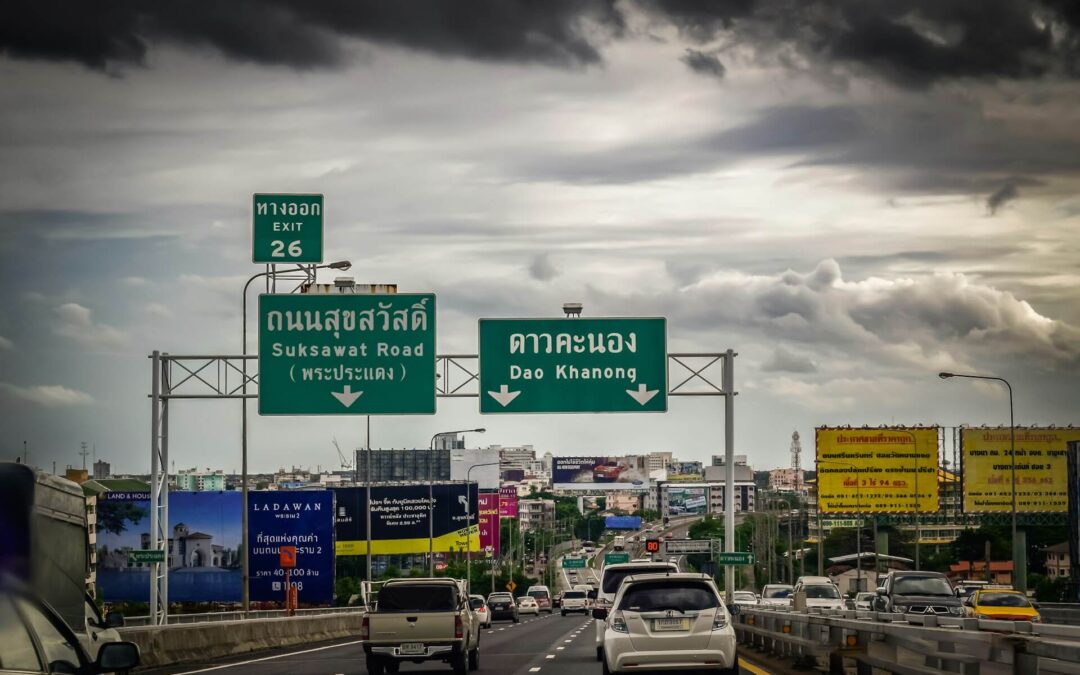
You want flexible travel, but heavy rain and limited buses can ruin plans. The monsoon runs from late April to the end of October and brings regular downpours. Renting A Car For Thailand Rainy Season gives you control, comfort and access to remote spots.
Read on to learn how to plan, pick the right car and drive safely.
When is the rainy season in Thailand?
Moving on, the rainy season in Thailand runs from late April through the end of October. Rain falls often in the morning and late evening.
Monsoon months affect vehicle handling, so drivers must adjust for wet roads and reduced visibility. Public transport often misses remote or less-developed areas, making car rental essential for exploration.
Rental vehicles give direct access to remote villages, highland forests, and national parks. The car rental market has grown, with more vehicle options and streamlined booking processes.
2026 marks a key year for improved services and easier accessibility for international travellers. Cooler months still offer more pleasant driving conditions than the rainy season.
Renters need knowledge of specific driving techniques and handling adjustments for safety. Renting a car supports road trips, adventure travel, and better transportation during floods and bad weather.
Rent a car and reach places buses cannot, even in heavy rain.
Benefits of Renting a Car During the Rainy Season in Thailand
Renting a car in Thailand during the rainy season offers real travel flexibility. You can explore at your own pace, bypassing delays caused by sudden downpours or flooded roads.
How does renting a car enhance travel flexibility in the rain?
Cars give you direct access to remote villages, highland forests and national parks. Public transport in Thailand often does not service less-developed areas, so private vehicles fill the gap.
The monsoon runs from late April to the end of October, with most rain in the morning and late evening. The car rental market grew sharply by 2026, with more vehicle options and easier booking.
This growth made car rental the go-to transport choice for many travellers.
You can change routes and timetables when clouds gather, and you can avoid long waits in wet weather. Good drivers learn how wet roads and poor visibility change vehicle handling, and they use specific driving techniques for safety.
A hired vehicle brings comfort and accessibility, and it helps you reach remote spots that buses skip. Renting A Car For Thailand Rainy Season: Why It Makes Sense In 2026, fits trips that value flexibility, safety and exploration.
Why does renting a car ensure comfort and convenience during the rainy season?
Renting a car keeps you dry and on schedule during Thailand’s monsoon.
Renting a car during Thailand’s monsoon, which runs from late April to the end of October, keeps you comfortable and in control. Rain often falls in the morning and late evening, so a private vehicle cuts waiting times and avoids crowded buses.
Hiring a vehicle gives direct access to remote villages, highland forests and national parks, where public transport rarely goes.
Car rental choices grew strongly by 2026, with more vehicle options and streamlined booking for international travellers. Good cars help with wet roads and reduced visibility, and drivers must use specific handling techniques for safety.
This option boosts travel flexibility, comfort and accessibility for road trips in rainy weather.
How can a rental car help you reach remote destinations in rainy weather?
A rental car gives direct access to remote villages, highland forests and national parks. Public transport often does not serve these areas, so a car rental makes exploration possible even in wet weather.
Monsoon season runs from late April through the end of October, with rain often in the morning and late evening. In 2026, Thailand’s car rental market offers more vehicle options and easier booking, helping travellers reach remote destinations in heavy rain.
Drivers must adapt to wet roads and reduced visibility to maintain safety and control.
Selecting the Ideal Rental Car for Rainy Conditions
Choose a car with good tyres and strong wipers for Thailand’s rainy weather. A vehicle that handles wet roads well can keep your trip safe and fun… Want to know more about picking the perfect rental?
Best car types for driving in Thailand’s rainy season
Here are the best car types for rainy season driving in Thailand.
| Car Type | Why it works | Key features | Best for |
| SUV | Higher ground clearance helps on flooded rural roads. Rental vehicles give direct access to remote villages, highland forests, and national parks. The 2026 rental market offers many SUV choices. | All-wheel drive, good tyre tread, ABS, strong wipers. Built for wet roads and reduced visibility. | Travel to national parks and off-grid areas where public transport does not service destinations. |
| 4×4 Pickup | Robust chassis deals with soft shoulders after heavy rain. Road infrastructure improvements let these vehicles reach remote spots more often. | High torque, heavy-duty tyres, locking diffs, raised intake options. Useful when roads wash out. | Highland forests, mountain routes, villages that need sturdy access. |
| Compact Crossover | Offers a balance of economy and clearance. Car rental options have expanded, with more crossovers added in 2026. | Good traction control, electronic stability control, effective defoggers, reliable wipers. | Couples and small families who want flexibility and comfort on mixed roads. |
| Touring Sedan (with good wet tyres) | Stable on sealed highways. Many tourists drive during the monsoon, which runs from late April to the end of October. | Wide tyres with deep tread, ABS, electronic stability. Comfort features for long wet-hour drives, since rain often falls in the morning and late evening. | Long-distance road trips on paved routes, where public transport lacks coverage for remote stops. |
| Minivan/People Carrier | Room for wet gear and extra passengers. Rental supply grew strongly by 2026, improving choices for groups. | Good load distribution, multiple wipers, rear ventilation, good braking systems. | Families and small groups heading to parks and less-served areas that need space and comfort. |
| Hybrid AWD Models | Lower fuel use helps during longer rainy-season travel. The car rental industry growth in 2026 increased availability of hybrids. | Regenerative braking, AWD stability, efficient engines, modern driver aids. | Eco-minded drivers wanting range and traction for mixed terrain trips. |
| Small Hatchback (with good tyres) | Easy to park in town. Useful where roads are narrow and public transport stops short. | Sharp steering, anti-lock brakes, fresh wipers, high-quality tyres for water dispersal. | City stays or short hops to nearby attractions that public transport will not reach. |
| Diesel AWD Utility | Diesel torque helps on slippery slopes. Improved booking processes in 2026 make these easier to rent. | Robust engine, decent fuel range, good ground clearance, strong traction control. | Explorers going into wet season trails and less-developed tracks. |
| Electric AWD SUV | Quiet, instant torque aids traction. More EV options appeared in the 2026 rental expansion. | Traction control, battery thermal management, regenerative systems, strong wipers. | Planned routes with charger access, eco travellers seeking modern options. |
| Light Commercial Van | Good for carrying gear for long wet-season trips. Public transport rarely handles bulky loads to remote sites. | Heavy-duty tyres, stable suspension, robust brakes, rain-ready lights and indicators. | Tour operators, photo crews, and groups accessing remote villages and parks. |
Next, we cover important features for safe driving in heavy rain.
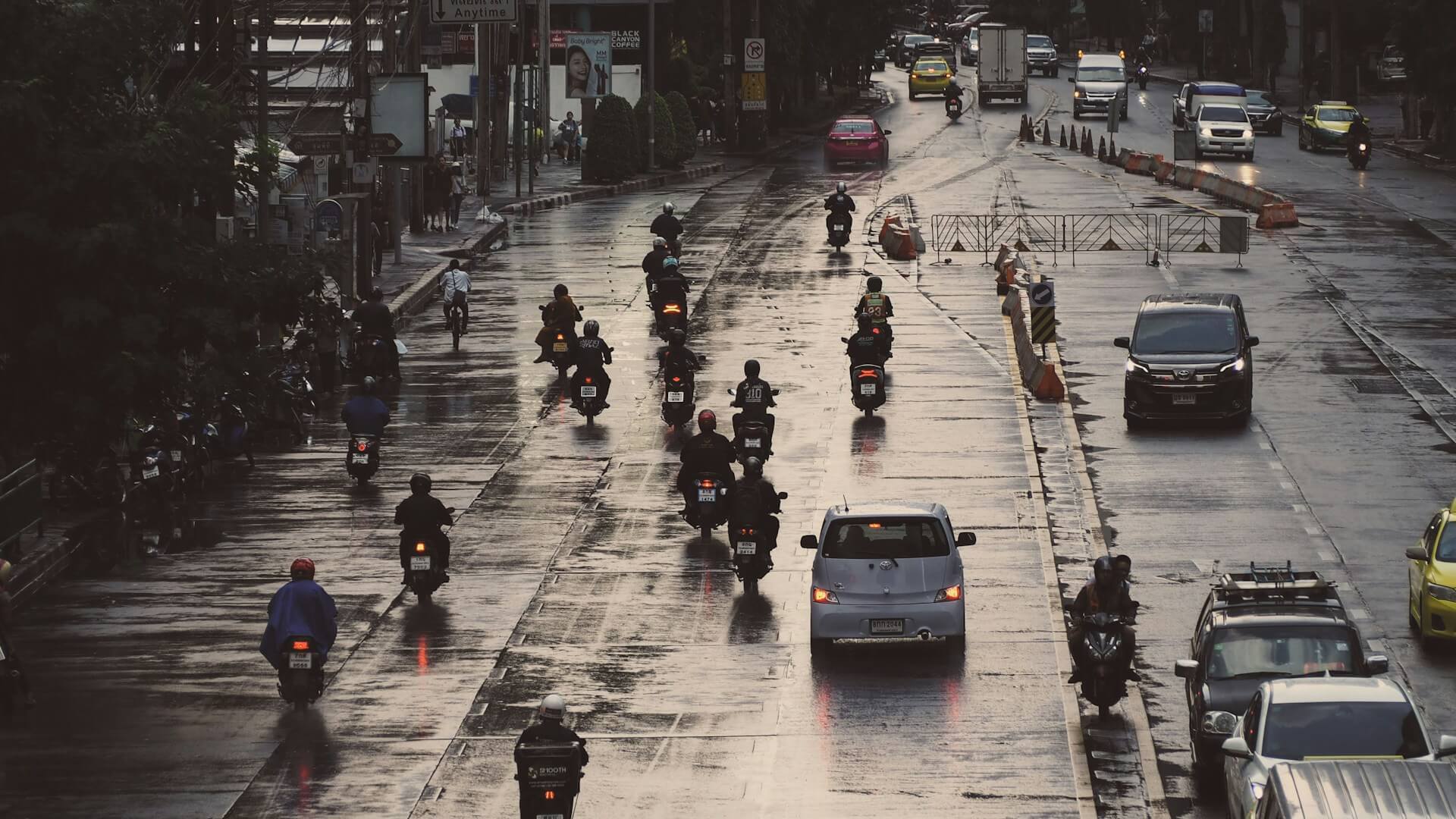
Important features for safe driving in heavy rain
Driving in heavy rain can be tricky. Knowing key features can make your ride safer and more comfortable.
- Good tyres are essential. They help grip the road better during wet conditions. Worn-out tyres increase the risk of skidding.
- Anti-lock braking systems (ABS) are important too. ABS prevents the wheels from locking up, allowing you to steer while braking hard.
- Working windscreen wipers improve visibility significantly. Ensure they clear water effectively and replace them if they are worn.
- Headlights must be bright and functional. They help you see better and ensure other drivers can spot you in the rain.
- A reliable defogger keeps windows clear from moisture build-up inside the vehicle, providing better visibility for safe driving.
- Four-wheel drive (4WD) vehicles offer enhanced control on slippery roads, especially in hilly areas or during floods.
- Regular maintenance checks can prevent breakdowns during rainy weather; this includes checking fluids, brakes, and electrical systems.
- Spacious cabin space is helpful for comfort on long journeys, especially when rain leads to delays or detours.
- GPS navigation assists in finding alternate routes when certain roads become flooded or impassable due to heavy rainfall.
- An emergency kit adds extra safety; include items like a first aid kit, flashlight, blankets, and non-perishable snacks for unexpected stops or delays caused by storms.
Safe Driving Strategies for Thailand’s Rainy Season
Driving in Thailand’s rainy season can be tricky. Slow down, keep a safe distance from other cars, and watch for flooded areas. Don’t forget to use your headlights – it helps others see you better! Want more tips? Keep reading….
How to adapt to local driving conditions during the rain?
Adapting to local driving conditions during the rainy season in Thailand is crucial. It helps ensure a safe and enjoyable journey.
- Slow down your speed. Wet roads can be slippery, so give yourself extra time to stop.
- Use headlights, even in light rain. This improves visibility for you and other drivers.
- Maintain a safe distance from the vehicle ahead. You need more space to stop on wet roads.
- Avoid sudden movements with the steering wheel or brakes. Gentle actions help keep control of the car.
- Stay alert for puddles or flooded areas on the road. Heavy rain often creates hazards that can damage vehicles or cause accidents.
- Keep windows closed to prevent water from entering the car while driving through heavy rain.
- Check your wipers and tyres before hitting the road. Good wipers ensure clear visibility; proper tyre tread helps grip on wet surfaces.
- Be cautious of reduced visibility during heavy rainfall, especially at night when conditions worsen.
- Familiarise yourself with local roads and potential flooding areas before you travel.
- In severe weather, postpone your trip if it feels unsafe to drive; safety should always come first.
Renting a car gives access to beautiful remote villages, highland forests, and stunning national parks across Thailand during this season of adventure and exploration!
What are key safety measures for driving in heavy rain?
Driving in heavy rain can be tricky. Safety is key to enjoying your road trip.
- Keep your speed low. Rain makes roads slippery and reduces visibility. Driving slower helps you react better.
- Use your headlights. Turn on your lights to see better and help others see you. This is important when it’s pouring.
- Avoid sudden movements. Quick turns or stops can cause skidding. Move smoothly to keep control of the car.
- Stay aware of road conditions. Look for puddles or flooding, especially in remote areas of Thailand during the rainy season.
- Increase following distance. Leave more space between you and the vehicle ahead. This gives you extra time to stop safely on wet roads.
- Avoid using cruise control. It can lead to loss of traction in rainy weather, making driving more dangerous.
- Be cautious at intersections and roundabouts. Traffic signals might not work well in heavy rain, and other drivers may struggle as well.
- Check your wipers before heading out for a trip; having good wipers ensures clear visibility during storms.
- Always park in safe areas away from potential flooding zones if you’re stopping for a break or exploring remote destinations.
- Stay calm if hydroplaning happens; ease off the accelerator gently, don’t brake hard, and steer straight until you regain control.
Renting A Car For Thailand Rainy Season
Renting a car during Thailand’s rainy season makes a lot of sense. You gain freedom to explore remote areas that buses can’t reach. Comfort is another big plus; you stay dry and relaxed while travelling.
With better roads and more rental options in 2026, it’s easier than ever to hit the road in wet weather. This choice opens doors to many exciting adventures across the beautiful landscapes of Thailand.
When you are Renting A Car For Thailand Rainy Season, choose SPS Car Hire every time. Please click on the button below to see our Thailand rental car deals.
 -
- -
- -
- -
- -
- -
- -
-