

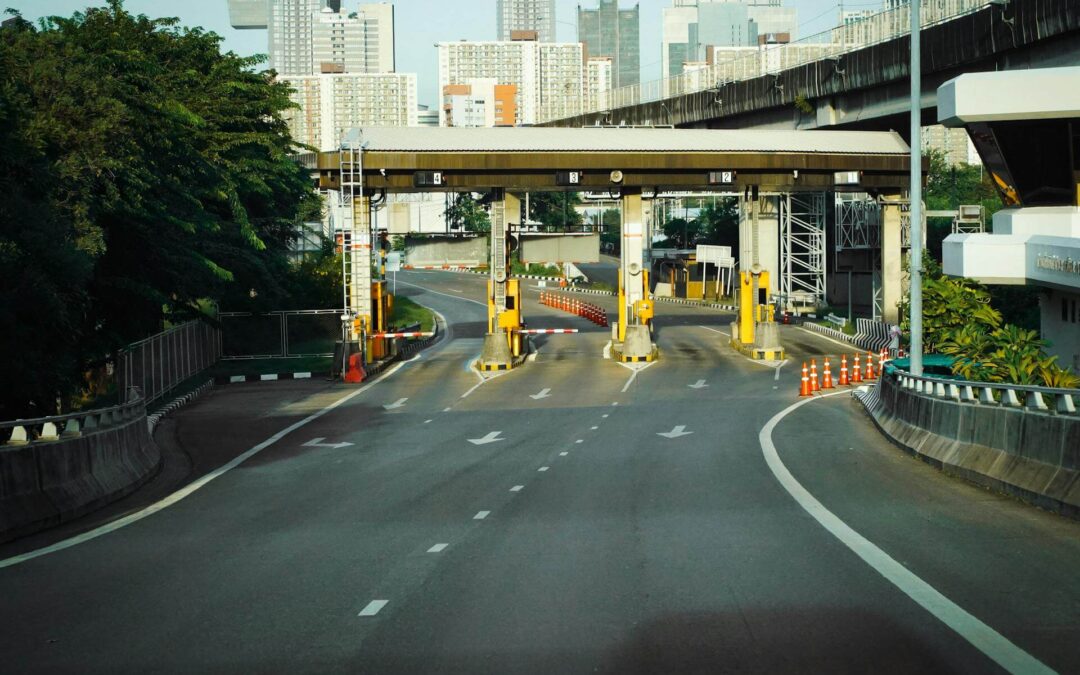
Dealing with Toll Roads in Thailand in 2026 can seem like a tricky task for many. Whether you’re a local commuter, an expat, or a tourist exploring the vibrant landscapes and bustling cities of Thailand, the prospect of navigating toll roads often brings a mix of anxiety and confusion.
One interesting fact is that Thailand boasts one of Southeast Asia’s most advanced road infrastructure systems, integrating both expressways and motorways to facilitate smoother travel across its territories.
This article offers practical advice on how to efficiently handle toll roads in Thailand, from understanding the types of toll roads available to leveraging electronic toll collection mechanisms such as the MFlow system and Easy Pass.
We will guide you through payment options and share insider tips on minimising road travel fees while maximising your journey’s efficiency. Stay tuned for insights that could save you time and money with this guide to toll roads in Thailand!
Overview of Toll Roads in Thailand
Toll roads in Thailand provide crucial routes for speedy travel. Drivers encounter different types of toll roads that vary by location and payment methods.
What are toll roads?
Toll roads are specific routes that charge drivers a fee for usage. These fees help maintain and develop the road infrastructure, ensuring safer and more efficient travel. In Thailand, toll roads play an essential role in the transportation system by facilitating faster journeys across major cities.
Various types of toll roads exist in Thailand, including expressways and motorways. Most require payment at designated toll booths or via electronic systems like Easy Pass. This system allows for quicker passage, reducing traffic congestion at busy locations.
Understanding this framework is crucial for anyone driving on Thai highways to manage travel expenses effectively.
Types of toll roads in Thailand
Thailand features several types of toll roads, each catering to different transportation needs. The most notable are expressways and motorways. Expressways predominantly connect major urban centres and facilitate quick transit.
Motorways serve as longer routes linking provinces and key areas.
The expressway system charges fees based on distance travelled, while some sections offer fixed rates. Electronic systems such as Easy Pass allow for seamless entry and exit without needing cash at booths.
Understanding these options can significantly ease your journey through the Thai toll road system, helping manage travel expenses effectively while navigating busy highways.
Toll payment options
Toll payment options in Thailand provide convenience for drivers. The MFlow system allows users to pay electronically through a prepaid account, streamlining toll transactions on expressways.
Easy Pass offers an alternative with its RFID tags, enabling automatic billing as vehicles pass through toll booths.
Cash payments remain available at many toll booths, catering to those without electronic devices. Tollfree weekends often encourage road travel by waiving fees, providing a cost-effective option for drivers planning their journeys.
Understanding these various methods can help manage Thai travel expenses effectively while navigating the country’s toll roads.
How To Pay Toll Roads in Thailand
Paying tolls on Thai roads offers multiple convenient options. Drivers can choose between electronic systems or cash payments at booths along the routes.
Using the MFlow system
The MFlow system offers a convenient way to pay highway tolls in Thailand. This electronic toll collection method uses a wireless device mounted on the vehicle, allowing for automatic payments at designated lanes.
Drivers can easily register their vehicles online and link their payment options to the MFlow account, ensuring seamless access along expressways and motorways.
To use the MFlow system effectively, ensure your balance is topped up regularly to avoid any disruption while travelling. The system reduces delays at toll booths, enhancing overall travel efficiency on Thailand’s extensive tollway network.
Enjoy smoother journeys through busy thoroughfares by opting for this modern payment solution.
Easy Pass
Easy Pass is a convenient electronic toll collection system designed for drivers using Thai toll roads. This method allows users to pay expressway fees automatically, eliminating the need for cash transactions at toll booths.
An Easy Pass device can be obtained from various service centres affiliated with the Expressway Authority of Thailand. Once installed in your vehicle, the system deducts the appropriate road tolls as you pass through designated lanes.
Using Easy Pass streamlines travel along motorways and helps reduce congestion at busy toll booth locations. The device is compatible with several major highways and facilitates smoother journeys by providing quicker access without stopping to make payments.
Many drivers find that having an Easy Pass not only saves time but also enhances their overall travelling experience on Thailand’s extensive network of tolled routes, making it a preferred choice for frequent commuters and tourists alike.
Cash payments
Cash payments remain a straightforward option for using toll roads in Thailand. Drivers can pay cash at many toll booths along the routes, making transactions quick and easy. It is advisable to carry smaller notes to speed up the payment process.
Keep an eye on signs indicating upcoming toll booths to ensure you have your cash ready.
Certain periods offer no fees for motorists, such as Tollfree weekends during specific holidays, including Chakri Memorial Day. These promotions encourage more drivers to utilise highway trade routes without incurring costs.
Understanding how Thai road tolls work will help you navigate these expenses effectively while driving in Thailand.
Tollfree weekends
Tollfree weekends offer a great opportunity for drivers in Thailand. On these weekends, motorists can travel on certain toll roads without incurring any charges. This initiative is particularly beneficial during public holidays and long weekends, allowing families and friends to plan road trips without worrying about toll fees.
The Highway Department has implemented this system to encourage tourism and ease traffic congestion. Many drivers use this time to explore popular destinations or visit trade gateways across the country.
By taking advantage of tollfree weekends, you can enjoy savings while navigating Thai tolls efficiently.

Tips for Dealing with Toll Roads in Thailand
Plan your journey ahead of time to avoid surprises at toll booths. Keep an eye out for signs that indicate the locations of toll fees along your route.
Plan your route in advance
Route planning enhances efficiency and can save you time and money while using toll roads in Thailand. Before setting off, check maps or GPS services to identify the motorway link that best suits your needs.
Use these tools to visualise locations of toll booths, ensuring you’re prepared for any fees along the way.
Avoid unexpected costs by understanding which roads require payment. Some alternatives may lead to longer travel times but could help you dodge high Thai road tolls and fees. Knowing your route also allows for easier adjustments if traffic issues arise.
Keeping these tips in mind will make transportation in Thailand more manageable and enjoyable.
Pay attention to toll booth locations
Toll booth locations can significantly impact your journey on Thailand’s highways. Familiarise yourself with where toll booths are situated along your route to avoid last-minute surprises.
Many major expressways have clear signage indicating upcoming toll booths, allowing you time to prepare for payment.
Staying aware of these locations helps in planning your stops and managing cash flow or electronic payments effectively. Knowing the exact points where you’ll encounter tolls makes it easier to budget for travel expenses while using Thailand’s improving road infrastructure.
This awareness becomes essential as we explore how to pay toll roads in Thailand efficiently.
Save fuel costs by avoiding toll roads
Choosing to avoid toll roads can help you save on fuel costs. Highways often allow for higher speeds, but they also come with traffic congestion that can lead to increased fuel consumption.
Opting for secondary roads may result in slower travel times but generally offers a more economical choice when it comes to petrol use.
Many drivers find that the routes without tolls often provide a more scenic and enjoyable driving experience as well. Before setting out, consider downloading navigation apps that highlight both options while factoring in potential travel expenses.
This straightforward approach enables better planning and helps keep your budget intact while navigating Thailand’s road infrastructure effectively.
Be aware of electronic toll collection systems
Electronic toll collection systems are becoming more common on Thailand’s roadways in 2026. These systems streamline the payment process, allowing drivers to pass through toll booths without stopping.
This method uses a transponder installed in vehicles that communicates with sensors at the toll booth.
In Thailand, two main options exist for electronic toll payments: MFlow and Easy Pass. Both systems help reduce congestion and promote efficient travel on busy routes. Familiarity with these options can enhance your experience when using Thai road infrastructure and dealing with toll roads effectively.
Future of Toll Roads in Thailand
Thailand plans to expand its tollway network, which could change travel fees significantly. This expansion will benefit highway trade routes and improve overall road efficiency. Stay tuned for more updates on Thailand’s toll roads and how they may impact your journeys.
Planned expansion of tollway network
The planned expansion of the tollway network in Thailand aims to enhance connectivity and efficiency for motorists. New projects will see additional expressways built, easing congestion on existing routes.
This expansion can streamline transportation across regions, supporting economic growth and trade. Improved infrastructure may lead to changes in road travel fees, making toll roads a vital consideration for drivers.
Investments focus on modernising current systems and implementing advanced technologies. As these developments progress into 2026, users should stay informed about new toll rates and payment methods.
Understanding how to deal with toll roads in Thailand effectively will be crucial as the network evolves.
Potential impact on road travel fees
Planned expansion of the tollway network will likely influence road travel fees significantly. As new toll roads are introduced, drivers may face increased costs when using these routes.
This change can affect overall travel expenses for both commuters and freight transport services.
Higher toll rates might emerge as more infrastructure requires funding for maintenance and upgrades. For many travellers, understanding how to deal with toll roads in Thailand in 2026 becomes crucial.
Awareness of potential fee increases can help budget trips effectively and optimise travel choices.
Benefits for highway trade routes
Toll roads in Thailand significantly benefit highway trade routes. They provide faster transit times, allowing goods to move efficiently across regions. This efficiency reduces delays and transportation costs for businesses reliant on quick deliveries.
The modern tollway network facilitates better connectivity between major cities, fostering economic growth.
Investment in these roads supports trade by improving access to ports and markets. Businesses can optimise logistics, ultimately enhancing competitiveness in both domestic and international arenas.
Understanding how these toll systems work is crucial for anyone operating within this framework.
Understanding Toll Roads in Thailand
Dealing with toll roads in Thailand can be straightforward and efficient with the right approach. Key strategies include planning your route ahead, understanding payment methods, and being aware of electronic systems like MFlow and Easy Pass.
These tips are practical to implement and can save both time and money during your travels. The future expansion of the tollway network presents opportunities for improved road travel, benefiting trade routes significantly.
For more insights on navigating these roads effectively, consider exploring local traffic apps or government resources that provide updates on tolls and road conditions. Embrace this knowledge as you travel; it empowers you to make informed decisions for smoother journeys ahead!
Do Tourists and Rental Car Drivers Need Easy Pass or M-PASS in Thailand? (2026 Update)
Most short-term visitors and people using rental cars do not need an Easy Pass or M-PASS tag to drive on Thai toll roads. Cash still works at manual booths on the main expressways and intercity motorways. Many plazas also accept contactless Visa or Mastercard cards in the manned lanes.
Easy Pass is the RFID tag mainly used on Bangkok expressways run by the Expressway Authority of Thailand. M-PASS is the version used on Department of Highways intercity motorways. The two systems are becoming more interoperable under the national electronic toll collection programme, but they are still not fully unified in 2026. Drivers who use Bangkok expressways every day find the tags save time because they skip the cash queues. Rates stay the same whether you pay cash or use a tag.
For a one-week or two-week trip the setup is rarely worth the effort. The minimum deposit and the need to register a vehicle and top up an account add steps that most tourists skip. People who hire a car for local driving around Pattaya or for trips on Motorway 7 usually rely on cash. Rental companies sometimes fit an Easy Pass in selected vehicles, but this is not standard on every car. Drivers who take a car from a local fleet for several weeks often check the windscreen at collection to see whether a tag is already fitted.
National highways that run parallel to the toll motorways remain free. Drivers heading north from Pattaya toward Bangkok can choose the free surface roads when they prefer not to stop at plazas, though travel time increases during peak periods. The same choice appears on routes toward Rayong or further afield. Keeping a small amount of Thai baht notes in the car covers the plazas that still require cash. Details on common driving routes appear in guides to driving from Pattaya to Bangkok.
How to Avoid Unexpected Toll Charges with a Rental Car (M-Flow Lanes & Payment Rules)
M-Flow uses cameras and licence-plate recognition on selected motorways and expressways. Vehicles pass the gantry without stopping. Non-registered drivers can pay the charge online within seven days through the official M-Flow site to avoid higher late fees. The system currently operates on parts of Motorway 9, sections of the Chalong Rat Expressway, and some other EXAT routes. Information on broader toll road systems helps clarify which sections use free-flow technology.
Rental cars rarely arrive with an active M-Flow registration. Drivers who enter an M-Flow lane without prior setup create a charge linked to the plate number. The rental company may later receive the notice and add its own administrative fee when it settles the amount. Choosing the correct lane at each plaza prevents this. Cash and contactless card lanes sit on the left or centre. Blue or green signs mark the Easy Pass / M-PASS electronic lanes. M-Flow lanes, where present, are usually the far-right lanes with no barrier.
A clean, readable licence plate helps the cameras. Dirt, stickers, or a plate frame that covers part of the characters can cause the system to fail to match the vehicle correctly. Drivers who plan several days on the motorway network often keep the plate clear and note the entry and exit points of any M-Flow section they use. Payment can then be completed online within the allowed window if the vehicle was not pre-registered. Tips for first-time drivers appear alongside other practical advice in Pattaya driving tips for first-time visitors.
Staff at the rental desk can confirm whether the specific car has an active tag or any M-Flow arrangement. Most short-term hirers simply use the cash lanes and carry notes of 20 and 50 baht. This approach works on the Bangkok–Pattaya Motorway and on the majority of other intercity sections that still maintain manned booths. Drivers who prefer free-flow travel on routes that support M-Flow can register the plate themselves before the trip if the rental agreement allows it. The cost of fuel, tolls and parking together forms part of the overall expense of driving in Pattaya.
Discover the Best Car Rental in Thailand
About SPS Car Hire
SPS Car Hire is Pattaya’s premier low cost car hire company.
We specialise in affordable car rentals, truck rentals and motorcycle hire in Pattaya and Jomtien.
Our English and Thai speaking staff provide clear, helpful service for both short stays and longer term rentals.
With competitive prices, special rental offers and well maintained vehicles, SPS Car Hire makes getting around the region simple and cost effective.
Why choose SPS Car Hire?
- Competitive prices with special offers and great rates for long term rentals
- Full first class insurance included on all rental cars at no extra charge
- Free delivery and collection to your hotel or home anywhere in the Pattaya or Jomtien area
- A wide choice of well maintained vehicles to suit every need and budget
Pattaya Bike Hire
Need something lighter and more flexible?
We also provide motorcycle and scooter hire with new or nearly new models.
These bikes come at some of the lowest rates in Pattaya, with delivery and pickup included in the Pattaya and Jomtien area.
Renting a bike saves money compared to regular transport and gives you the freedom to explore beyond the usual routes and times.
Explore our fleet
The selection of Pattaya rental cars includes compact models, SUVs and trucks for daily, weekly or monthly use.
Bike hire covers nearly new Yamaha Nuovo and Honda Mio scooters at competitive local rates.
Special offers and discounted packages appear in the current monthly promotions.
Whether you need a car for a day, a week, or a longer stay, SPS Car Hire delivers reliable service, transparent pricing, and genuine local support.
Book with SPS Car Hire
Book a monthly automatic scooter in Pattaya with SPS Car Hire.
Latest News In 2026
The Expressway Authority of Thailand expanded electronic-only lanes on several Bangkok expressway segments during late 2025. Cash lanes remain available on the same corridors, but the share of ETC-only sections grew. Top-up options for M-PASS accounts now connect more directly with major Thai banking apps. Drivers who regularly use the Bangkok network notice the change when they approach certain plazas on the Si Rat and Chalerm Maha Nakhon expressways.
The Department of Highways continued adding M-PASS readers to additional gates on Highway 7 and the Bang Pa-in–Korat corridor. Plans call for remaining cash-only gates on intercity motorways to join the national platform during 2026. The National Electronic Toll Collection Centre continues work toward a single account that works across EXAT, DOH, and Don Mueang Tollway systems. Partial interoperability already exists; full single-tag coverage is targeted for 2027.
New intercity segments under construction, including parts of the Northern Economic Corridor, are expected to open with electronic tolling from the start. Don Mueang Tollway rates stay fixed through December 2029. These changes affect mainly frequent users in the Bangkok area and drivers who travel regularly on the main motorways. Short-term visitors who stay on cash lanes see little practical difference in daily driving. Scenic and practical route options for local trips appear in articles on Pattaya car rental routes.
Frequently Asked Questions
Can contactless foreign credit or debit cards be used at Thai toll booths?
Contactless Visa and Mastercard cards work at many manned booths on EXAT expressways and the Don Mueang Tollway. The card must support the contactless function and have sufficient available credit or balance. Transit-style cards issued by local operators are not accepted for vehicle toll payments. Drivers who plan to rely mainly on cards still carry a small amount of Thai baht because not every booth maintains the tap reader in full working order at all times. The same cash-and-card mix applies on most intercity plazas that have not yet moved to free-flow collection. Details on local payment methods appear in guides covering Thailand toll roads and navigating Thailand’s toll roads and highways with a rental car.
How important is a clean licence plate when using M-Flow lanes?
Cameras capture the plate characters to match the vehicle against any registered account or to generate a post-trip bill. Mud, road dust, or a decorative frame that partially covers the characters can prevent an accurate read. A failed match may delay the charge notice or require manual follow-up later. Drivers who expect to use M-Flow sections on Motorway 9 or selected EXAT routes wipe the plate before departure so the system records the passage correctly. Keeping the plate free of stickers or covers also helps in ordinary traffic stops. Related points on road readiness show up in essential Thai driving laws for car rental drivers.
Do most rental cars from Pattaya already have an Easy Pass or M-PASS tag fitted?
The majority of short-term rental vehicles leave the depot without an active electronic tag installed. A smaller number of cars kept for longer-term hires may have one already fitted and linked. Drivers confirm the situation at collection by looking at the windscreen and asking the desk staff. When no tag is present, the cash lanes remain the straightforward option on the Bangkok–Pattaya Motorway and other main routes. Fleet details for everyday models are listed on the cars available for hire page.
What is the practical difference between Easy Pass and M-PASS for a visitor?
Easy Pass covers the primary Bangkok expressway network operated by the Expressway Authority of Thailand. M-PASS applies to the intercity motorways managed by the Department of Highways. The two systems are moving toward greater interoperability under the national programme, yet a single tag does not yet guarantee seamless passage at every plaza in 2026. Most short-term visitors never need either device because cash lanes stay open. Drivers who spend several weeks in the Bangkok area and use expressways daily are the main group that finds a tag convenient. Those planning longer drives can check options for a Pattaya car hire.
How long does a non-registered driver have to pay an M-Flow charge?
The official window is seven days from the date of passage. Payment is completed online at the M-Flow website by entering the vehicle plate number and settling the amount with a card. Completing the payment inside the window avoids the higher late fee that applies once the period ends. Drivers who notice they have used an M-Flow lane record the date and location so they can check the site promptly. The same seven-day rule applies whether the vehicle is a private car or a rental. Guidance on related road rules appears in articles covering toll roads and highways with a rental car.
Are there any special lane rules on the Bangkok–Pattaya Motorway that differ from other routes?
Motorway 7 operates as a closed toll system with entry and exit plazas. Cash lanes and electronic lanes sit side by side at the main plazas. Drivers who stay in the clearly signed cash lanes and keep small notes ready complete the journey without needing a tag. The pattern matches most other intercity motorways that still maintain manned booths. Free surface-road alternatives exist for parts of the corridor when a driver prefers to avoid plazas entirely. Route comparisons appear in practical guides to driving across Thailand in a rental car.
Are you looking to rent a car in Thailand in 2024? If so, at SPS Car Hire Pattaya, we have some fantastic car rental deals that you can find them by clicking on the button below:
 -
 -
 -
 -
 -
 -
 -