

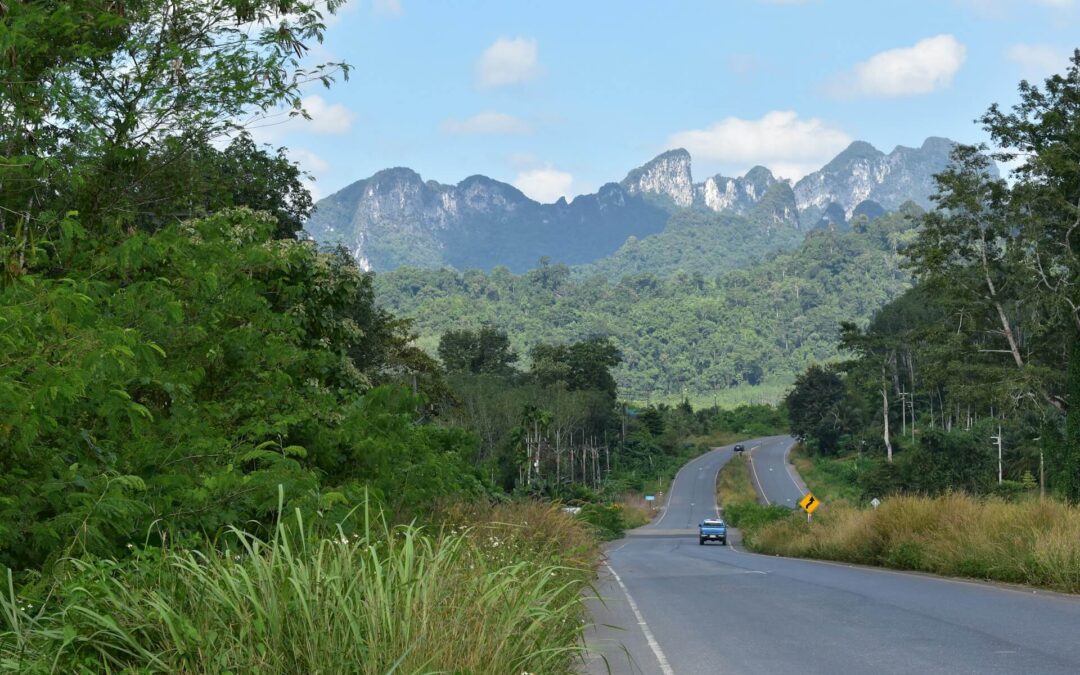
You want to drive around Thailand, but you worry about rules and safety. An International Driving Permit is required to rent and drive a car in Thailand. This guide explains rules, safety tips, and how to plan routes for Driving Across Thailand In A Rental Car.
Read on, to learn how to do it the right way.
Preparing to Drive in Thailand
Driving in Thailand needs some prep. You’ll need the right documents, like an International Driving Permit and your passport, to hit the road safely.
What driving licence and documents do I need to drive in Thailand?
You need the right documents to rent and drive a car in Thailand. Carry originals and clear copies.
- Passport, valid for the trip, proves identity and age, and agents check it at car rental counters.
- Home country driving licence, shown at pickup, must match the name on your passport and rental booking.
- International Driving Permit, required when renting a car, translates your licence and stays valid with your national licence.
- Rental agreement, signed at collection, lists insurance, fuel policy, extra driver names, and vehicle condition.
- Comprehensive insurance papers, check coverage for collision, theft, and third-party liability, and keep a copy in the car.
- Local contact number, include hotel and agent details, for emergency calls, roadside help, and claims.
- Proof of payment or credit card, car rental firms usually pre-authorise a card for deposits and extra charges.
- Seat belt reminder, Thai law makes seat belts compulsory for drivers and front-seat passengers, keep policy papers handy for checks.
- Left-side driving note, learn road rules before you start, practice in a quiet area if you are not used to driving on the left.
- Speed limit awareness, observe posted limits on highways and local roads, and expect some drivers to run red lights in heavy traffic.
- Parking practice guidance, park by driving forwards into bays and reverse out on departure, this is the local standard.
- Safety suggestion for renters, rental cars suit confident drivers and they are safer than riding a motorbike, especially for families and groups.
How can I learn about Thai road rules before driving?
Read official sources, like the Department of Land Transport and Tourism Authority of Thailand, and study local traffic laws. Carry an International Driving Permit, your home licence and passport when you rent a car.
Drive on the left side of the road, follow posted speed limits, and wear seat belts in the front seat. Many drivers in Thailand sometimes run red lights during heavy traffic, so keep extra caution, especially in Chiang Mai and busy cities.
Watch Thai dashcam videos and practice with map apps before you go, they show real road behaviour and common hazards. Park by driving forwards into a bay, then reverse out when you leave, that is the local custom.
Renting a car suits confident drivers, it is safer than riding a motorbike and often cheaper for groups or families. Learn traffic patterns, understand road conditions, and plan routes for scenic routes and safe exploration.
Study the rules, carry the right papers, and expect local driving quirks.
Tips for a Safe and Enjoyable Journey
Stay focused on the road. Thai traffic can be busy, so keep your eyes open for other drivers and pedestrians. Take breaks to rest, especially on long drives… a quick stop can make a big difference! Enjoy the scenery and let it all add to your adventure.
How do I navigate Thai roads and traffic safely?
Drive on the left side of the road in Thailand, and carry an International Driving Permit when you rent a car. Drivers and front-seat passengers must fasten seat belts at all times.
Observe posted speed limits, and expect some local drivers to run red lights during heavy traffic, so approach intersections with care.
Renting a car suits confident drivers and offers a safer option than many other destinations, ideal for a road trip to Chiang Mai or other scenic routes. Car rental works out cheaper than organised tours for families and groups, and it lets you explore off-the-beaten-path attractions.
Motorbike travel carries more risk, so many travellers pick a rental for safety and comfort. Park by driving forwards into bays, then reverse out when you leave. Learn local traffic patterns before you set off, and use reliable navigation tools on the trip.
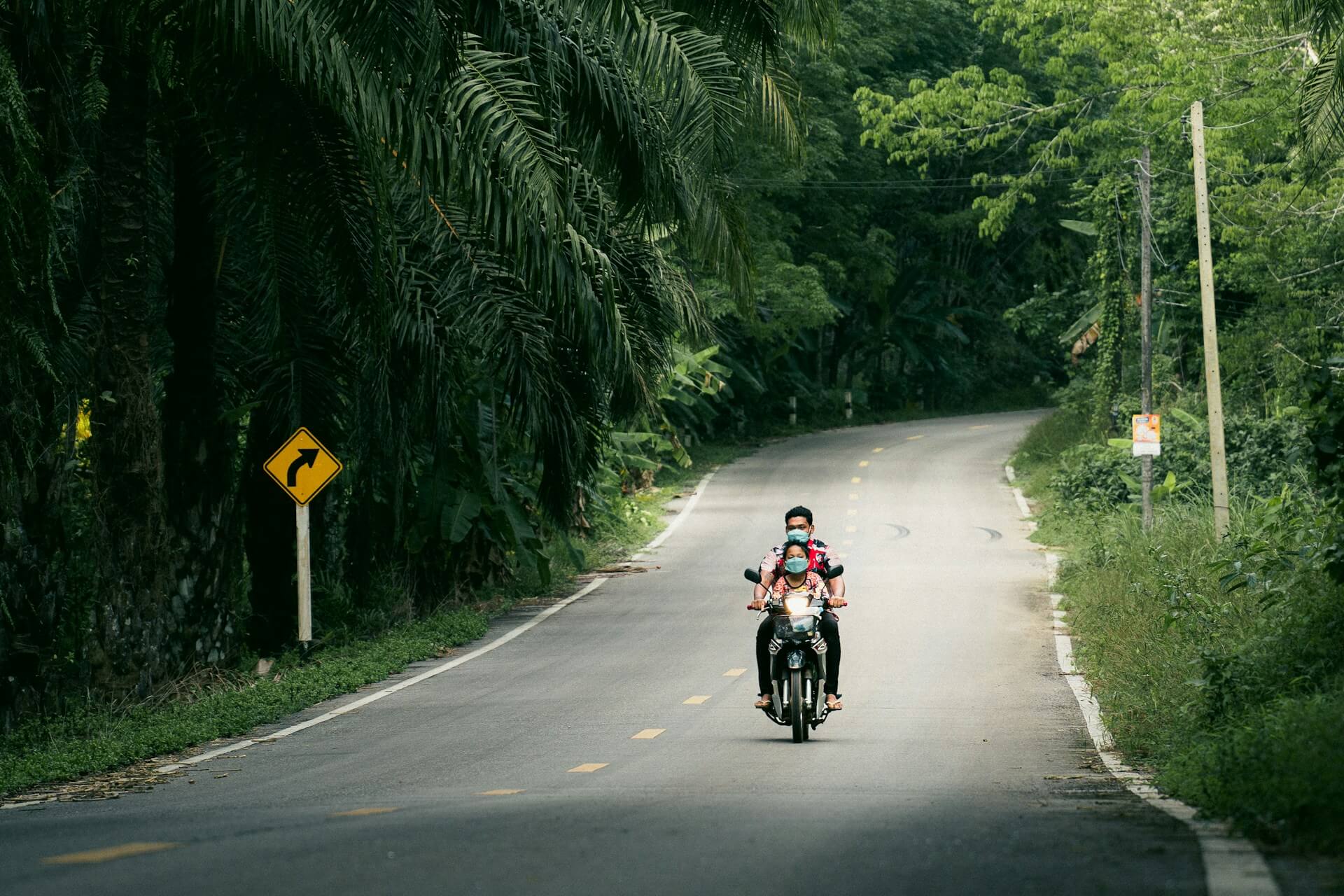
How can I stay alert and plan rest stops effectively?
After you learn Thai road rules and traffic quirks, plan rest stops and keep alert. Good rest stops cut fatigue and lower crash risk.
- Book sensible daily distances, aim for 200 km or less per day, so you can stop and explore Chiang Mai or coastal sights without rushing.
- Carry an International Driving Permit, your passport and the rental agreement, and show them at checkpoints or if police ask.
- Use seat belts at all times, drivers and front-seat passengers must wear them, this cuts injury risk on highways and rural roads.
- Plan stops at service stations or rest areas every two hours, caffeine and short walks help you stay sharp on long road trips.
- Check road conditions before you leave, some rural routes have rough surfaces; choose main highways for faster, safer travel.
- Set a navigator app with offline maps, mark parking spots and hiking trailheads, so you can explore off-the-beaten-path places safely.
- Watch your speed, obey posted limits, and expect some drivers to run red lights in heavy traffic; brake early and keep space.
- Prefer car rental over motorbike for safety, especially with family groups, it is more affordable and safer for longer trips.
- Park by driving forwards into spaces, then reverse out when leaving, this is the common local practice at markets and attractions.
- Share driving duties with travel companions, rotate every few hours, this helps prevent fatigue on multi-day road trips and makes exploration easier.
Benefits of Renting a Car in Thailand
Renting a car in Thailand opens up many opportunities. You can explore hidden gems and beautiful spots that big buses can’t reach.
What are the advantages of exploring off-the-beaten-path destinations by car?
Off-the-beaten-path destinations await those who drive in Thailand. Renting a car offers freedom to explore at your own pace. You can reach hidden gems that organized tours often miss.
Scenic routes take you through beautiful landscapes and local attractions.
Driving gives you the chance to discover unique spots like quiet beaches or small villages, far from the usual tourist crowds. This makes for memorable adventures and authentic experiences.
Plus, it is more affordable than taking tours, especially for groups or families traveling together. Enjoying Thailand’s beauty by car enhances every road trip experience!
“The journey matters just as much as the destination.”
Why is renting a car cost-effective for group travel in Thailand?
Renting a car in Thailand is smart for groups. It’s cheaper than paying for organised tours. Families or friends sharing the cost can save even more money. The price of a rental often covers fuel too, which makes it easier on the wallet.
Groups can explore together without worrying about public transport schedules. They have the freedom to stop when and where they want. This leads to better adventures and seeing local sights that many miss.
Plus, renting a car is safer than riding motorbikes in Thailand, making it a reliable choice for everyone involved.
Driving Across Thailand In A Rental Car
Driving across Thailand in a rental car can be an exciting adventure. You have the freedom to explore stunning places at your own pace. Just follow the tips for safety and know the rules of the road.
With careful planning, this journey can become a memorable experience filled with beautiful sights and unique attractions. Enjoy every moment on your trip!
When you are thinking about Driving Across Thailand In A Rental Car, choosing SPS Car Hire Pattaya is a smart choice. We are reliable, affordable and highly recommended. Please click on the button below to see our rental cars. You can also click here to see our motorbike rentals.
 -
- -
- -
- -
- -
- -
- -
-