

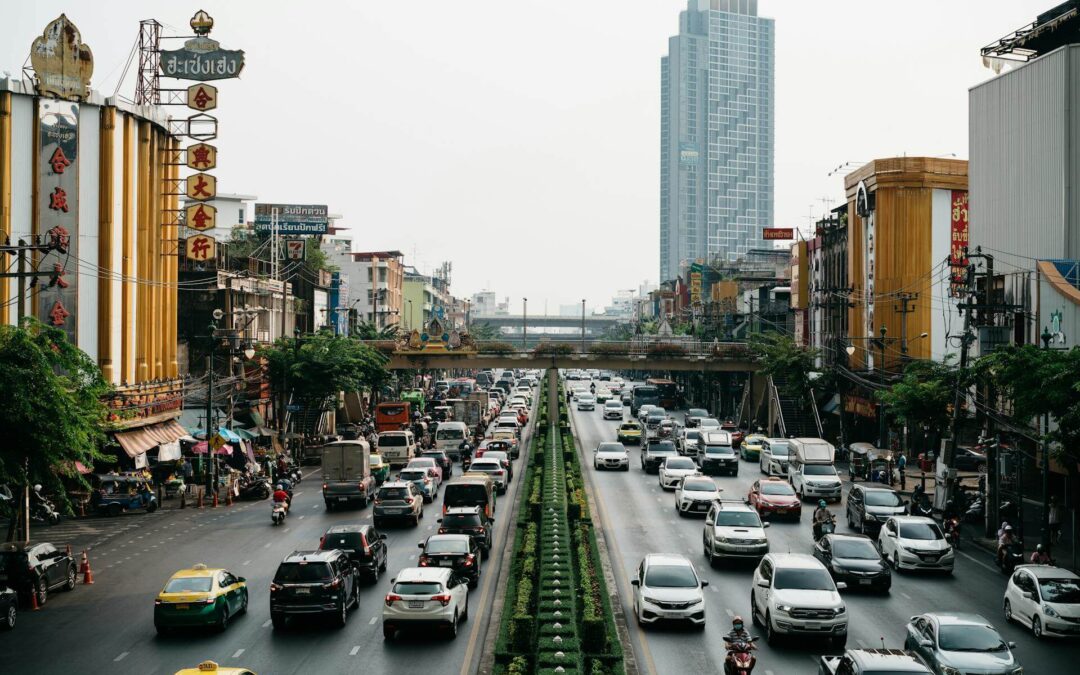
Driving in Thailand offers a unique way to explore the country’s stunning landscapes and vibrant cities. Yet, many tourists find themselves running into trouble because they misunderstand Thailand’s driving laws.
From bustling Bangkok streets to tranquil countryside roads, knowing the local regulations is key.
One surprising fact is that Thailand has left-hand traffic, which can be a major adjustment for drivers from countries with right-hand traffic. Our post aims to clear up confusion by providing essential information on who can drive in Thailand, driving rules and penalties, road safety tips, car ownership and maintenance.
Get ready for a smoother journey. Keep reading to learn more about Thailand’s driving laws.
Who Can Drive in Thailand?
To drive in Thailand, you need a valid driving licence. Foreign visitors can use an international driving permit or exchange their foreign licence for a Thai one.
Thai driving licenses
Thai driving licences allow local citizens and visitors to drive legally. Foreign drivers must either hold an International Driving Permit (IDP) or a valid foreign driving licence to operate a vehicle in Thailand.
Obtaining a Thai driver’s licence requires passing both written and practical tests.
Tourists can exchange their valid foreign licences for a Thai one, but only under certain conditions. The process typically involves verifying identities and providing necessary documents at the Department of Land Transport.
Staying aware of these rules aids road safety in Thailand for all drivers.
How to obtain a Thai driver’s license
To obtain a Thai driver’s license, start by gathering the necessary documents. You will need your passport, a visa, and proof of residency. Visit the Department of Land Transport office for application procedures.
Foreign drivers in Thailand can apply for a Thai license without passing the driving test if they hold an international driving licence in Thailand. If you don’t have one, be prepared to take both written and practical tests.
Once you pass these tests, pay the relevant fees to receive your new license. This process helps ensure that all drivers understand Thailand’s traffic regulations and road rules effectively.
Exchanging a foreign driving license
Foreign drivers in Thailand can exchange their driving licenses for a Thai one. This process usually takes place at the Department of Land Transport. First, you need to show your original foreign license and a valid passport.
Make sure you carry official translations if your document isn’t in English or Thai.
The country accepts many international driving licenses too. Foreigners who hold an International Driving Permit (IDP) can drive legally but should be aware of local traffic regulations in Thailand.
Always check that your IDP matches the details on your national license to avoid problems while driving in Thailand.
Driving Rules and Penalties in Thailand
Driving in Thailand comes with specific rules and regulations that tourists often overlook. Familiarising yourself with speed limits and penalties can help you avoid unexpected fines during your travels.
Speed limits
Speed limits in Thailand vary depending on the type of road. On highways, drivers may travel at a maximum of 120 km/h. In urban areas, the limit usually drops to 60 km/h. Rural roads often have a speed limit between 80 and 90 km/h.
Foreign drivers in Thailand should take these limits seriously. Officers impose fines for speeding, which can be hefty. Adhering to Thailand’s driving laws helps ensure safety for everyone on the road.
Always keep an eye out for signs indicating local speed limits as they can change frequently.
Driving under the influence
Driving under the influence in Thailand carries severe consequences. The legal blood alcohol limit stands at 0.05% for regular drivers and 0.02% for novice or professional drivers.
Police actively monitor roadways, and they conduct random breath tests, especially during holidays when alcohol consumption spikes.
Penalties are strict. Offenders can face hefty fines, imprisonment, or both. Foreign drivers in Thailand should understand that driving laws can vary significantly from their home countries.
Ignoring these regulations not only endangers lives but also results in serious traffic fines and license suspensions if caught driving while intoxicated. Always prioritise safety on the roads to ensure a pleasant visit to this beautiful country.
Distracted driving laws
Distracted driving laws in Thailand are strict. Drivers must keep their focus on the road. Using a mobile phone while driving is illegal unless you use a hands-free device. Fines for distracted driving can be hefty, reaching up to 2,000 baht.
Thai traffic laws stress the importance of safety for everyone.
Tourists should pay attention while driving in Thailand. Following these laws helps prevent accidents. Familiarity with local traffic rules boosts road safety for foreigners in Thailand.
You want your trip to be enjoyable and safe, so stay alert behind the wheel!
Driving without a license
Driving without a license in Thailand can lead to serious trouble. Police often stop drivers without proper documentation. Tourists may face hefty fines for not having a valid driver’s licence.
In many cases, they might even get detained until someone produces the required paperwork.
Thailand’s traffic laws are strict about possessing the right credentials while driving. An international driving permit or a Thai driver’s licence is essential for tourists behind the wheel.
Violating this rule could ruin your trip and impact future travel plans in Thailand and beyond. Always prioritise compliance with local regulations to ensure a safe experience on the roads here.
Road Safety Rules and Tips in Thailand
Road safety plays a vital role in Thailand. Tourists should familiarise themselves with local traffic rules to ensure a safe journey.
General road rules
Thailand has specific road rules that all drivers must follow. Traffic drives on the left-hand side of the road. This can surprise many tourists who come from countries where driving occurs on the right.
Speed limits vary; generally, it is 60 km/h in urban areas and up to 90 km/h on regular roads. Always check for signs as local regulations may apply.
Seatbelts are mandatory for all passengers in a vehicle. Fines exist for non-compliance with traffic laws, including speeding or not wearing seatbelts. Authorities enforce these penalties stringently to promote driving safety in Thailand.
Understanding these basic rules helps create a safer environment for everyone on the roads, especially during tourist seasons when traffic increases significantly. Next, we will discuss traffic information relevant to drivers in Thailand.
Traffic information
Traffic information plays a crucial role for tourists driving in Thailand. Major cities often experience heavy congestion, especially during rush hours. Tourists should check local traffic updates before setting out.
Many apps provide real-time data on road conditions and delays.
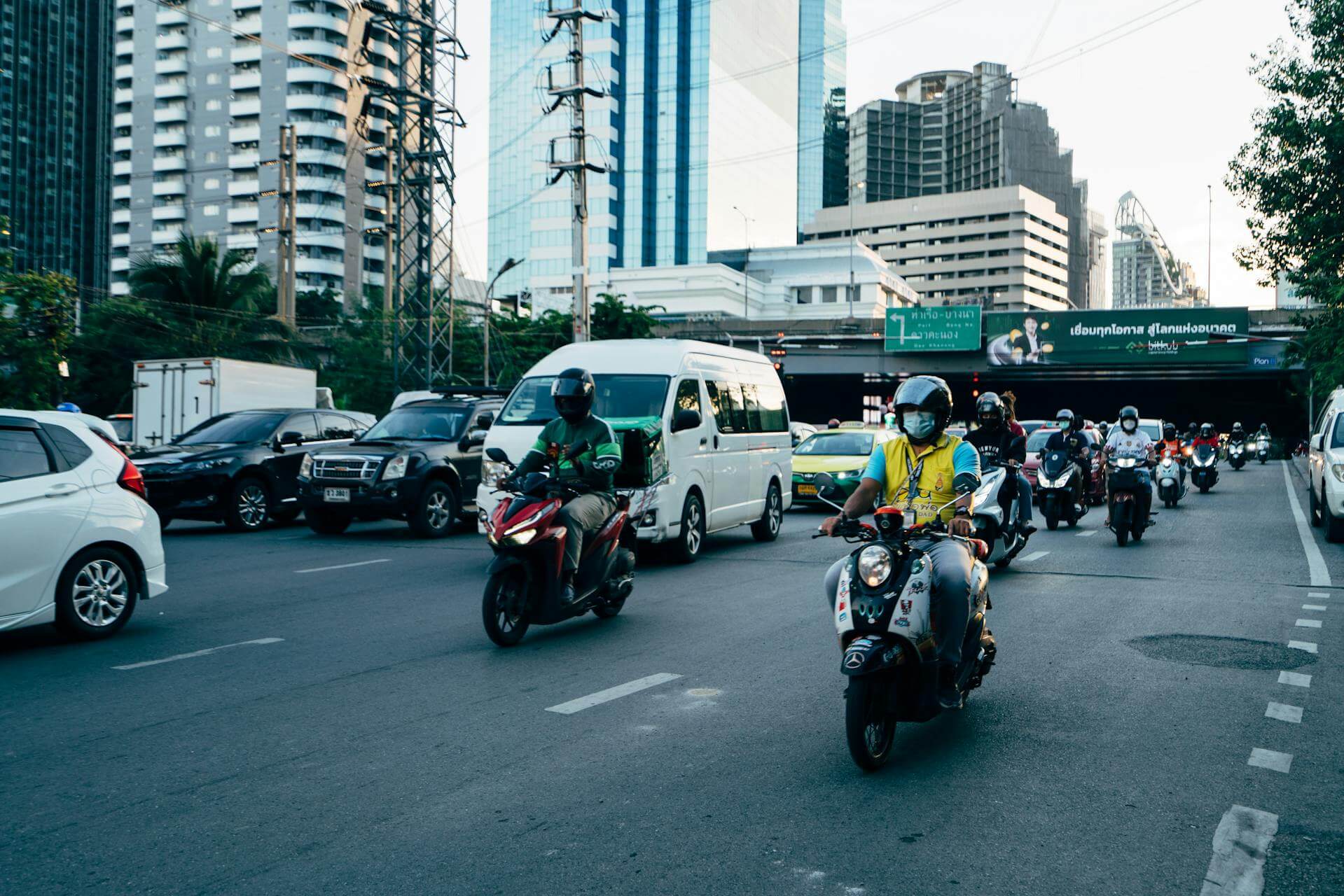
Thailand’s road infrastructure includes well-marked signs and signals, but some areas can be confusing. Drivers must remain alert for motorbikes weaving through lanes. Understanding these aspects of Thailand’s driving rules can help ensure a smoother trip.
Next, let’s discuss seatbelt laws and their importance while driving in Thailand.
Seatbelt laws
In Thailand, seatbelt laws are strict. The law requires all drivers and passengers to wear seatbelts. Failing to comply can lead to fines of up to 1,000 baht. This rule aims to improve road safety and reduce injuries in accidents.
Tourists driving in Thailand should always buckle up. Seatbelt use is important for everyone in the vehicle, not just the driver. Following these rules helps ensure a safer journey on Thailand’s roads.
Next, let’s explore parking regulations that every visitor should know about.
Parking regulations
Parking regulations in Thailand may surprise many tourists. Always park your vehicle in designated parking areas. Illegal parking can lead to hefty fines or even towing. Look out for signs indicating whether a spot is legal or not.
In busy cities, finding a parking space can be challenging. Local traffic laws often require drivers to pay attention to street markings and time limits on spots. Many places operate metered parking, so keep small change handy for payment.
Tourists should also be aware of the need for an international driving license in Thailand when renting vehicles, as this will help avoid issues with local authorities regarding motor vehicle laws and compliance with driving regulations.
Tips for driving in Thailand
Driving in Thailand can be an exciting experience. Follow a few tips to make it safer and easier. Use your seatbelt at all times, as Thai law requires it for both drivers and passengers.
Stick to the left side of the road; Thailand has lefthand traffic. Watch for motorbikes weaving through lanes, as they are common on these streets.
Keep an eye on speed limits displayed along the roads. Speeding may lead to hefty fines under Thailand’s traffic laws. Avoid using your phone while driving; distracted driving is illegal and dangerous.
Always have your driving licence handy, especially if you plan international driving in Thailand or need to show it during a checkpoint stop.
Car Ownership and Maintenance in Thailand
Owning a car in Thailand can be straightforward if you know the right steps. You can buy, import, or rent a vehicle, but each option comes with its own rules and costs.
Buying a car
Buying a car in Thailand involves several steps. First, you need to decide between a new or used vehicle. New cars often come with a warranty and better financing options. Used cars are usually more affordable but may require thorough checks.
You must have a valid Thai driving licence before purchasing. Car dealerships will ask for it along with your passport and proof of residency. Conduct research on the prices of popular models to ensure you get a fair deal.
Be aware of Thailand’s road infrastructure, as it can impact your experience with certain types of vehicles.
Importing a car
Importing a car into Thailand requires compliance with specific regulations. Foreigners must abide by the rules set by the Thai Customs Department. Generally, you can import a vehicle only if you have lived in Thailand for at least a year or have a work permit.
The process involves paying duties and taxes, which can be quite high.
Make sure to check the current regulations before starting this process. Choose your vehicle carefully since not all cars meet Thai standards for emissions and safety. Failing to comply with these rules could lead to fines or confiscation of your car.
Now, let’s explore renting a car in Thailand and what it entails.
Renting a car
Renting a car in Thailand offers tourists the freedom to explore at their own pace. Many rental companies operate in major cities and tourist hotspots. Choose between local firms or international brands for your needs.
Always check if the driver meets age requirements, typically set at 21 years with a valid driving licence.
Insurance plays a key role when renting a vehicle. Drivers should understand what is covered before signing any agreements. Most rental arrangements require you to present an international driving permit along with your home country’s licence.
Tourists often overlook this rule, which can lead to fines or trouble on the road. When exploring Thailand’s scenic routes, stay alert and follow local traffic laws for safety and enjoyment during your travels.
Car repairs
Car repairs in Thailand can be straightforward. Many garages offer quick and reliable services. Always choose a reputable workshop to ensure quality work on your vehicle. Regular maintenance keeps your car running smoothly.
Costs for repairs vary depending on the service needed and the parts required. Some shops specialise in imports, while others focus on local brands. Knowing basic Thai phrases helps when discussing issues with mechanics.
Carrying a list of common terms can ease communication and speed up repairs during your stay.
Annual seasonal opening/closure of attractions of Thailand’s national park system and its impact of driving.
Thailand’s national parks close during specific seasons each year. Most parks operate from November to April. During these months, tourists flock to natural attractions. This increase in visitors affects traffic patterns significantly.
Traffic can become heavy near popular sites. Tourists should plan their routes carefully. Knowing the park schedules helps avoid unnecessary delays on the road. Remember that Thailand’s driving laws apply even in remote areas, making it essential for drivers to stay alert and informed about local regulations.
At SPS Car Hire Pattaya, we have lots of affordable rental cars. Please click on the button below to book today. You can also click here to see our other services.
 -
- -
- -
- -
- -
- -
- -
-