

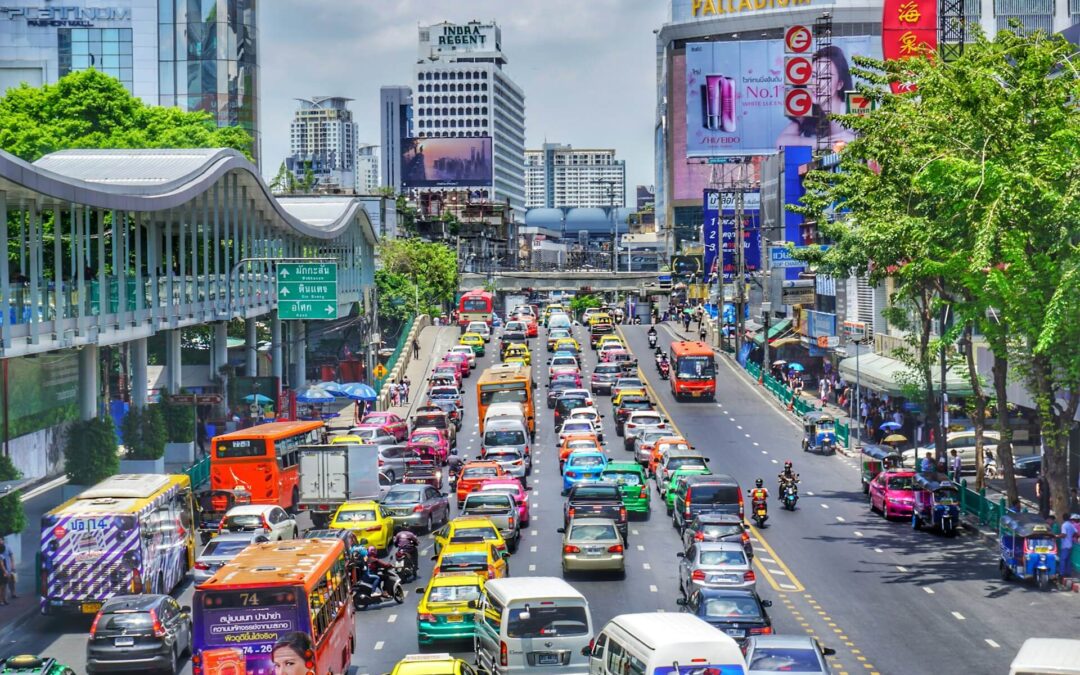
Many travellers worry about wasting money or facing hidden fees when booking Thailand Car Rentals In Low Season. Low season often brings lower rental costs and more available cars.
This guide shows clear tips to find cheap, reliable selfdrive options and the best booking deals. Read on to save on your next trip.
Low Season Rental Prices and How to Get the Best Deals
Low season brings lower rental prices in Thailand. You can find great deals if you compare different offers online.
What are the typical car rental rates in Thailand for 2026?
Here are typical 2026 rental rates across Thailand.
| Vehicle Class | Typical Daily Rate (THB) | Typical Weekly Rate (THB) | Typical Monthly Rate (THB) | Notes |
| Economy / Compact | 800–1,200 | 5,000–7,500 | 30,000–45,000 | Small cars. Good fuel economy. Basic insurance often included. |
| Compact SUV / Crossover | 1,200–2,000 | 8,000–13,000 | 45,000–80,000 | More space. Better for island trips. Some companies add mileage caps. |
| Mid / Full-size Sedan | 1,500–2,500 | 10,000–16,000 | 60,000–90,000 | Comfortable for couples and families. Often includes CDW cover. |
| Minivan / 7-seater | 2,000–3,500 | 14,000–22,000 | 90,000–140,000 | Best for groups. Fuel and tolls may be extra. |
| Luxury / Premium | 4,000–8,000 | 25,000–50,000 | 150,000–350,000 | High-end models. Deposit and ID checks are stricter. |
| Motorbike (scooter) | 200–500 | 1,200–3,000 | 6,000–12,000 | Common for islands. Helmets required. Insurance varies widely. |
| Key factors | Rates drop 15–40% in low season, Jan to Apr and Jul to Sep vary by region. Long-term bookings cut monthly cost. Airport fees and one-way surcharges may apply. | |||
How can I find and compare the best car rental offers?
Low season brings lower rental costs. You can save a lot with smart searches.
- Use major comparison sites, like Skyscanner, Kayak and Discover Cars, to scan vehicle rental prices across many suppliers; compare total cost, not just daily rates.
- Check local Thai companies like SPS Car Hire for budget rental deals that do not appear on global platforms.
- Filter results for selfdrive options to match your travel style and to see cars suited to scenic drives in places like Chiang Mai and Krabi.
- Compare fuel policies, mileage limits and cancellation policy details to avoid surprise fees at pick up or drop off.
- Read recent reviews from 2024 to 2026 on Google and TripAdvisor to judge reliability and service quality before you book.
- Use flexible dates in searches to spot lower rates on weekdays or outside peak festival weeks; small date shifts often cut rental costs.
- Opt for free cancellation and pay-later options when available to keep booking deals flexible while you finalise plans.
- Call or email the rental company to confirm extras, child seats and insurance limits, and to lock in a clear deposit and payment method.
What are the top tips to save money when booking a rental car?
You can save a lot in Thailand’s low season. These tips cut car hire costs and boost travel flexibility.
- Book early for the best rates and secure the vehicle class you need.
- Compare offers on multiple sites and call local firms to spot hidden deals.
- Choose economy models for budget rental and lower fuel use on scenic drives.
- Rent for longer days to lower the daily rate and avoid short-term fees.
- Use flexible pickup spots to find cheaper vehicle rental prices at nearby branches.
- Subscribe to loyalty programmes and use coupons for seasonal discounts.
- Decline unnecessary add-ons and keep insurance only if your card does not cover it.
- Check cancellation policy to avoid fines if plans shift during tourist season changes.
- Pay in local currency to reduce foreign transaction fees on card payments.
- Inspect the car and photograph any damage to prevent deposit disputes at return.
Selecting the Right Car and Rental Company
Choosing the right car and rental company is key to a smooth trip. Consider what type of vehicle fits your needs and which companies have good reviews.
Which car models and classes suit different types of travellers?
Here are quick car picks by traveller type.
| Traveller Type | Recommended Class / Models | Why | Low Season Tip |
| Solo Traveller |
|
|
|
| Couples |
|
|
|
| Small Family |
|
|
|
| Large Family or Group |
|
|
|
| Adventure Traveller |
|
|
|
| Business Traveller |
|
|
|
| Budget Traveller |
|
|
|
| Luxury Traveller |
|
|
|
Which car rental companies in Thailand are reliable and trusted?
Several reliable car rental companies operate in Thailand. Companies like Avis, Budget, and Sixt provide good service and a wide range of vehicles. Local firms such as Thai Rent A Car also offer quality options at competitive rates.
These companies often receive positive reviews from customers, which helps build trust.
Booking directly through the company’s website can save money too. Look for special offers during the low season to find better deals. Always check the terms before finalising your booking to avoid surprises later on.
Make sure you have all necessary documents ready for a smooth rental process.
“Finding the right rental company can make your trip memorable.”
What documents and requirements do I need to rent a car in Thailand?
Renting a car in Thailand requires some important documents. Knowing these will help you have a smooth experience.
- A valid driving licence is essential. An international driving permit (IDP) is often needed along with your home licence.
- You must show your passport or national ID. This verifies your identity and nationality.
- A credit card is usually required for the deposit. This ensures you can cover any extra costs that may arise.
- Proof of insurance may be requested. Check if your travel insurance covers rental vehicles.
- Some rental companies ask for proof of travel plans or a return ticket. This shows you intend to leave Thailand after your trip.
- Age restrictions apply to drivers, typically between 21 and 70 years old. Some companies charge extra for younger drivers below 25.
- Be aware of local rules regarding additional drivers; they often need to be listed on the rental agreement.
Gather all these documents before booking your vehicle hire in Thailand for an easier process ahead. Next, we will explore practical tips for a smooth car rental experience during your travels.
Practical Tips for a Smooth Car Rental Experience
Know your insurance options and check the deposit amount before booking. Learn the driving rules in Thailand to stay safe. Collecting and returning your rental car can be easy if you follow simple steps.
For more tips, keep reading!
What should I know about insurance, deposits, and payments?
Insurance is an essential component of renting a car. Most companies in Thailand provide basic insurance, but it might not cover everything. You may wish to purchase additional coverage for peace of mind.
Review the policy details carefully before you rent. Ensure you understand what is and isn’t covered.
Deposits can differ by rental company. Many require a deposit that secures your reservation; this amount typically contributes to the rental cost or acts as insurance against damage.
Payments are often made with credit cards. Some firms accept debit cards, but check their rules first. Always inquire about cancellation policies as well; they vary between companies and can impact your travel plans if you need to change dates or cancel entirely.
What are the key driving rules to follow in Thailand?
Driving in Thailand can be a fantastic way to explore the country. It is essential to know the driving rules for a safe journey.
- Drive on the left side of the road. This rule may feel strange if you are accustomed to driving on the right.
- Use seat belts at all times for safety. All passengers must also use seat belts.
- Maintain a speed limit of 60 km/h in towns and 90 km/h on highways. Some areas may have lower or higher limits, so watch for signs.
- Avoid using your phone while driving unless you have a hands-free device. It is illegal to text or call without one.
- Obey all traffic signals and signs carefully. They guide drivers and help prevent accidents.
- Always give way to emergency vehicles, such as ambulances and fire trucks, when they signal.
- Watch out for motorbikes; they often weave through traffic. Keep an eye out for them at all times.
- Do not drink and drive; it is against the law and very dangerous.
- Roundabouts can be confusing; yield to traffic already inside them before entering.
- Ensure your documents are in order, including your driving licence and car rental agreement.
These rules ensure an enjoyable self-drive experience during your time on Thailand’s scenic routes while following local laws properly.
How do I collect and return my rental car without hassle?
Collecting and returning your rental car can be simple. Follow these steps for a smooth experience.
- Check your booking details. Know the pick-up location and time before you arrive at the rental office.
- Bring all required documents. You will need your driving licence, passport, and credit card for deposits.
- Inspect the car carefully before leaving the lot. Look for any existing damage and report it to avoid extra charges later.
- Take photos of the car from different angles. This proof helps in case of disputes over damage or condition.
- Familiarise yourself with the car’s controls and features quickly. Adjust seats, mirrors, and GPS settings before hitting the road.
- Return to the same location at the agreed time. Delays can cost you extra fees.
- Refuel according to your rental agreement guidelines to avoid fuel charges upon return.
- Park in designated areas when you return the vehicle instead of leaving it anywhere nearby.
- Keep your rental agreement handy until everything is settled; it may be needed during drop-off checks.
- Obtain a receipt after returning the car; this shows that you returned it in good condition.
These tips help ensure your rental process goes smoothly in Thailand’s low season travel period.
SPS Car Hire is the ideal company to use when you need Thailand car rentals in low season. Please click on the button below to see our rental deals.
 -
- -
- -
- -
- -
- -
- -
-