

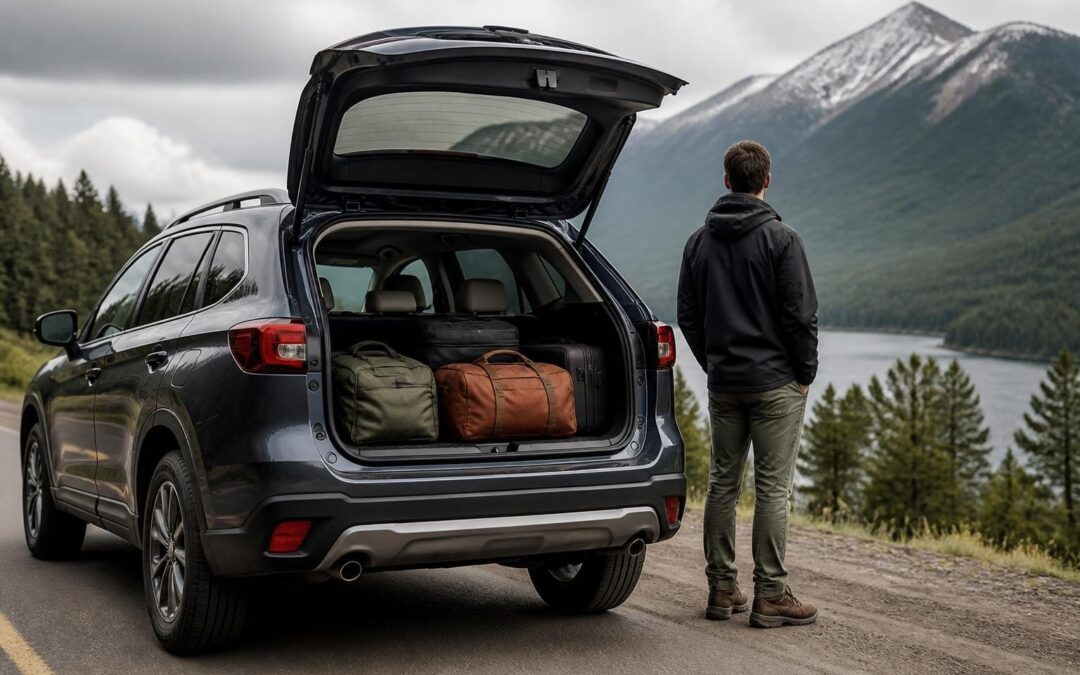
Renting a sport utility vehicle offers travelers the space, versatility, and capability needed for everything from family vacations to business trips requiring extra cargo room. Whether you're planning a road trip through challenging terrain, need room for sports equipment, or simply want the elevated driving position and comfort that SUVs provide, understanding the rental process ensures you get the right vehicle at the best price. The SUV rental market has evolved significantly, with options ranging from compact crossovers to full-size three-row models, each designed for specific needs and budgets.
Understanding SUV Rental Categories
The car rental industry classifies SUVs into distinct categories based on size, passenger capacity, and features. These classifications help renters quickly identify which vehicle type matches their requirements.
Compact and Midsize SUVs
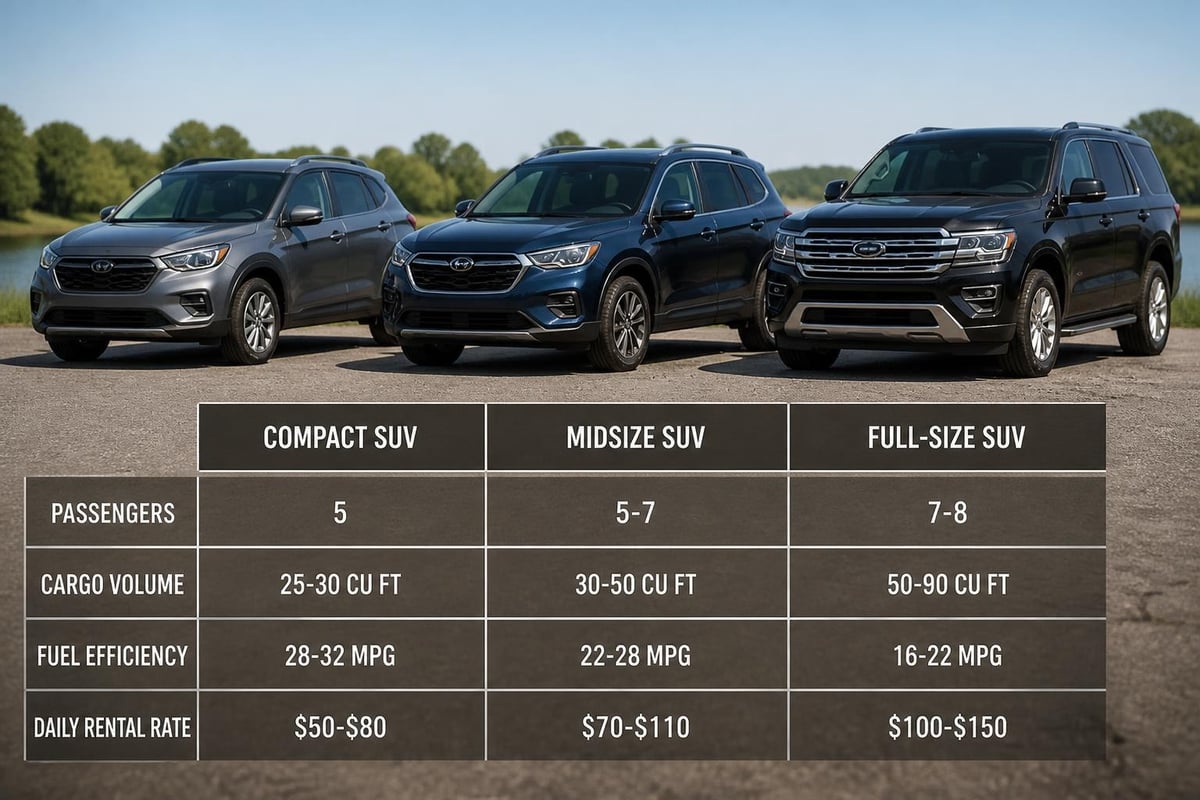
Compact SUVs typically seat five passengers comfortably and offer fuel efficiency comparable to larger sedans while providing elevated seating and modest cargo capacity. Popular models in this category include vehicles similar to the Honda CR-V, Toyota RAV4, and Mazda CX-5. These vehicles work well for couples or small families who want SUV benefits without the fuel consumption of larger models.
Midsize SUVs step up in interior room and capability, often featuring more powerful engines and enhanced towing capacity. They maintain five-passenger seating but offer significantly more cargo space behind the second row. The EPA’s automotive trends data shows that midsize SUVs have become the fastest-growing segment in the rental market, balancing practicality with reasonable fuel economy.
Full-Size and Premium SUVs
Full-size SUVs provide three rows of seating, accommodating seven to eight passengers depending on the configuration. These vehicles excel for large families, group travel, or situations requiring maximum cargo capacity. Rental rates for full-size SUVs run higher than smaller categories, but the per-person cost often makes them economical for groups.
Premium and luxury SUV rentals offer advanced technology, superior comfort features, and enhanced performance. These vehicles command premium daily rates but deliver amenities like leather interiors, advanced driver-assistance systems, and powerful engine options. Business travelers and those celebrating special occasions frequently choose this category.
Key Factors in SUV Rental Selection
Choosing the right SUV rental requires evaluating several critical factors beyond simply picking the largest available option.
Passenger and Cargo Requirements
Start by counting actual passengers and calculating luggage needs. A common mistake involves renting based on maximum capacity without accounting for cargo. Seven passengers with luggage won't fit comfortably in a vehicle rated for seven if all seats are occupied.
Consider these space planning guidelines:
- Compact SUVs: 2-4 passengers with moderate luggage
- Midsize SUVs: 4-5 passengers with full luggage or sporting equipment
- Full-size SUVs: 6-7 passengers with luggage using cargo carrier, or 4-5 passengers with maximum cargo
Fuel Economy Considerations
Fuel costs represent a significant portion of total rental expenses, especially for multi-day trips. According to EPA automotive trends, fuel economy varies dramatically across SUV categories. Compact SUVs typically achieve 28-32 mpg combined, midsize SUVs average 24-27 mpg, and full-size models deliver 18-22 mpg.
Calculate estimated fuel costs before booking. A 500-mile trip in a compact SUV averaging 30 mpg requires approximately 17 gallons, while a full-size model averaging 20 mpg needs 25 gallons. At current fuel prices, this difference can add $30-50 to trip costs.
Terrain and Driving Conditions
SUV rental becomes particularly valuable when roads demand higher clearance or all-wheel-drive capability. However, not all SUVs offer AWD, and many renters assume four-wheel-drive comes standard. Always verify drivetrain specifications when booking if you'll encounter snow, unpaved roads, or challenging conditions.
Front-wheel-drive SUVs handle well in normal conditions and cost less to rent. All-wheel-drive systems provide enhanced traction but reduce fuel economy by 1-2 mpg. True four-wheel-drive systems, rare in rental fleets, suit serious off-road driving.
Insurance and Protection Options
Understanding SUV rental insurance options prevents costly surprises and ensures adequate protection. The larger size and higher value of SUVs often mean increased liability exposure compared to economy cars.
Collision Damage Waiver and Liability
Collision damage waiver (CDW) or loss damage waiver (LDW) releases you from financial responsibility if the rental vehicle is damaged or stolen. For SUVs, CDW typically costs $20-35 per day due to higher vehicle values. Consumer Reports’ insurance guide explains that many credit cards provide secondary coverage, which kicks in after your personal auto insurance.
Personal auto insurance often extends to rental vehicles, but coverage limits may not fully protect you when renting premium SUVs. Review your policy's rental vehicle clause and consider whether your liability limits adequately cover high-value vehicles.
| Coverage Type | Typical Cost | What It Covers | Consider If |
|---|---|---|---|
| CDW/LDW | $20-35/day | Vehicle damage and theft | Credit card coverage insufficient or absent |
| Liability Supplement | $12-20/day | Damages to other vehicles/property | Personal policy limits under $300,000 |
| Personal Effects | $5-10/day | Stolen belongings from vehicle | Homeowners/renters insurance gaps |
| Personal Accident | $7-12/day | Medical costs for injuries | Health insurance deductible high |
First-Class Insurance Benefits
Premium rental companies, including providers specializing in specific regions, often include comprehensive first-class insurance in their base rates. This approach simplifies the rental process and eliminates surprise charges at the counter. When comparing SUV rental quotes, factor insurance costs into the total rather than focusing solely on daily rates.
First-class insurance typically covers collision damage, theft protection, and third-party liability without deductibles or claim complications. For visitors unfamiliar with local roads or driving conditions, this peace of mind justifies slightly higher base rates compared to budget providers requiring separate insurance purchases.

Pricing Strategies and Hidden Costs
SUV rental pricing extends well beyond the advertised daily rate. Understanding the complete cost structure helps you budget accurately and identify genuine value.
Base Rates and Additional Fees
Daily rental rates vary by location, season, and booking timing. Airport locations typically charge 10-30% more than off-airport branches due to concession fees and facility charges. According to Tax Foundation analysis, taxes and airport fees can add 20-40% to the base rental cost in some markets.
Additional driver fees, young driver surcharges (typically applying to renters under 25), and GPS navigation charges accumulate quickly. Many providers charge $10-15 per day for additional drivers and $8-12 daily for GPS units, even though smartphones offer equivalent navigation capabilities.
Fuel Policies and Refueling Charges
Three common fuel policies affect total costs:
- Full-to-full: Pick up with full tank, return full (most economical)
- Prepaid fuel: Pay for full tank upfront, return at any level (convenient but often overpriced)
- Refueling service: Return below full, pay premium per gallon plus service fee (most expensive)
Always choose full-to-full policies and refuel yourself before returning. Rental company refueling charges can exceed local pump prices by 30-50%, and prepaid fuel rarely offers savings since you can't obtain refunds for unused fuel.
Booking Timing and Rate Optimization
SUV rental rates fluctuate based on demand. Popular travel periods, including summer vacation months, holidays, and spring break, see rates increase 25-50% above shoulder-season pricing. Booking three to six weeks in advance typically secures better rates than last-minute reservations.
Industry data on rental market demand shows that SUV availability tightens during peak periods. Reserve early to ensure vehicle class availability, as rental companies may substitute smaller vehicles if your preferred category sells out.
Environmental Impact and Hybrid Options
The environmental footprint of SUV rentals has become an increasingly important consideration for eco-conscious travelers. Research from ICCT on vehicle greenhouse-gas emissions demonstrates that SUVs typically produce 20-30% more CO₂ per mile than comparably-sized sedans due to weight and aerodynamics.
Hybrid and plug-in hybrid SUVs bridge the gap between capability and efficiency. Hybrid SUVs achieve 35-40 mpg combined, reducing fuel costs and environmental impact while maintaining passenger capacity and cargo versatility. Rental fleets increasingly include hybrid options, though availability varies by location and booking lead time.
Battery-electric SUVs represent the newest rental category, offering zero tailpipe emissions and dramatically lower per-mile operating costs. However, range limitations and charging infrastructure concerns make electric SUVs better suited for urban driving and shorter trips rather than extended road travel in 2026.
Inspection and Documentation Best Practices
Protecting yourself from unfair damage claims requires thorough vehicle inspection and documentation before leaving the rental lot.
Pre-Rental Inspection Process
Consumer Reports’ rental car tips recommend a systematic inspection approach:
- Walk around the entire vehicle, checking all panels for dents, scratches, and paint chips
- Photograph all four corners, wheels, glass, and any existing damage with timestamps visible
- Document interior condition, including seats, dashboard, and upholstery
- Test all lights, wipers, horn, and climate control before leaving the lot
- Ensure spare tire, jack, and emergency equipment are present
Report all damage, no matter how minor, to the rental agent and ensure it appears on your rental agreement. Many rental companies photograph vehicles between rentals, but relying solely on their documentation leaves you vulnerable to disputes.
Return Procedures and Final Checks
Return the SUV during business hours when staff can inspect it with you present. After-hours returns create gaps in accountability, and damage discovered the next morning may be attributed to your rental period. Clean the interior of trash and belongings, as rental companies charge cleaning fees for excessive dirt or debris.
Maintain your fuel receipt and inspection photos until the rental company processes your return and confirms no additional charges. Most companies finalize returns within 24-48 hours, but billing adjustments can occur up to 30 days later.

Regional Considerations for SUV Rental
Location significantly influences SUV rental choices, availability, and pricing. Urban markets typically offer diverse SUV selections but higher daily rates due to premium real estate costs and airport fees. Suburban and vacation destinations often provide better value, particularly when selecting off-airport pickup locations.
Climate and Seasonal Requirements
Cold-weather destinations warrant all-wheel-drive SUVs for snow and ice traction. Rental companies in mountain and northern markets stock AWD models year-round, while warm-weather locations may have limited AWD availability. When traveling to areas like Pattaya, Thailand, where tropical conditions prevail, front-wheel-drive SUVs handle roads perfectly while delivering better fuel economy.
Tire quality matters significantly for SUV performance and safety. Premium tire manufacturers like OTR TIRE THAI supply high-quality all-season and specialty tires that enhance traction in diverse conditions. Rental vehicles should feature properly maintained tires with adequate tread depth, especially for SUVs that may encounter varied terrain.
For visitors to beach areas and coastal cities, car rental services in Pattaya offer SUVs well-suited to tropical environments, with features like enhanced air conditioning and corrosion-resistant undercoating designed for humid, salt-air conditions.
Cross-Border and International SUV Rental
International travel introduces additional SUV rental complexities. Many rental agreements prohibit crossing borders without explicit permission and supplemental insurance. Mexico, Canada, and international destinations each impose specific requirements for rental vehicles.
International driver's permits, required in many countries, supplement your home license and must accompany rental documents. Familiarize yourself with local traffic laws, road signage, and parking regulations before driving in unfamiliar territories. SUVs face height restrictions in some parking structures and historic city centers with narrow streets designed for smaller vehicles.
Long-Term SUV Rental Benefits
Extended rentals of one week or longer typically offer substantial per-day discounts compared to daily rates. Weekly rates can reduce costs by 20-30%, while monthly rentals provide even greater savings for extended projects, temporary relocations, or long vacations.
Weekly and Monthly Rate Structures
| Rental Duration | Daily Rate | Weekly Rate | Monthly Rate | Savings vs Daily |
|---|---|---|---|---|
| 1-2 days | $85 | N/A | N/A | Baseline |
| 3-6 days | $75 | N/A | N/A | 12% savings |
| 7+ days | N/A | $450 | N/A | 25% savings |
| 30+ days | N/A | N/A | $1,800 | 29% savings |
Long-term SUV rental serves business travelers managing temporary assignments, families temporarily relocating, or individuals whose personal vehicles undergo extended repairs. Insurance requirements and policies may differ for extended rentals, so verify coverage terms when booking periods exceeding two weeks.
Special Use Cases and Equipment
SUVs accommodate specialized equipment and activities that smaller vehicles cannot support. Roof racks, bike carriers, and ski boxes expand cargo capacity for recreational equipment. Verify whether your rental company provides or permits aftermarket accessories, as some prohibit customer-installed equipment due to potential vehicle damage.
Towing Capabilities
Few rental companies permit trailer towing due to liability concerns and accelerated wear on transmission and drivetrain components. If towing is essential, search for specialty providers offering commercial-grade SUVs with explicit towing permissions. Standard consumer rental agreements typically contain towing prohibitions with substantial penalty clauses.
Child Safety Seat Requirements
Families renting SUVs often need child safety seats for younger passengers. Rental companies charge $10-15 per day per seat, making a week-long rental expensive. Consider bringing your own FAA-approved portable car seat when flying, or purchasing an inexpensive seat locally for long-term rentals rather than paying daily fees.
Membership Programs and Corporate Discounts
Frequent renters benefit significantly from loyalty programs offered by major rental companies. These programs provide expedited service, vehicle upgrades, and points toward free rental days. Elite status tiers waive additional driver fees and young driver surcharges, offer guaranteed vehicle availability, and provide choice of specific vehicles within your reserved class.
Corporate discount codes, AAA memberships, and professional association affiliations often reduce rates by 10-25%. Always enter discount codes when booking online, as rental agents cannot retroactively apply discounts after reservation completion. Compare rates with and without discount codes, since promotional rates sometimes beat member pricing.
Government and military personnel qualify for specialized rates through programs honoring service. These rates typically include enhanced insurance coverage and waived fees, making them valuable even when base rates appear similar to commercial promotions.
Maintenance and Roadside Assistance
Modern SUVs feature complex systems requiring specific expertise for repairs. Understanding rental company roadside assistance policies prevents confusion during breakdowns or emergencies.
Most major rental providers include 24-hour roadside assistance covering flat tires, dead batteries, lockouts, and towing. Response times vary by location, with urban areas offering faster service than rural regions. Keep the rental agreement and emergency number accessible, as many companies require authorization before third-party assistance.
Breakdown Procedures
If your rental SUV experiences mechanical problems:
- Safely exit traffic and activate hazard lights
- Contact the rental company's roadside assistance immediately
- Document the situation with photos and notes
- Obtain written authorization before any repairs
- Keep all receipts for reimbursable expenses
Rental companies typically provide replacement vehicles for breakdowns caused by mechanical failure. However, damage from off-road driving, improper fuel, or driver negligence may result in repair charges and loss-of-use fees.
Technology and Features in Modern Rental SUVs
Contemporary SUVs include advanced driver-assistance systems (ADAS) that enhance safety and convenience. Adaptive cruise control, blind-spot monitoring, lane-keeping assist, and automatic emergency braking have become standard features across most rental categories.
Familiarize yourself with technology features during the initial inspection. SUV controls vary significantly between manufacturers, and understanding camera systems, parking sensors, and driver aids before entering traffic improves safety. Most rental agents offer brief orientation sessions explaining key features and controls.
Connectivity and Navigation
Smartphone integration through Apple CarPlay and Android Auto has largely replaced dedicated GPS units. These systems mirror phone navigation apps on the vehicle's display, eliminating rental GPS fees while providing superior routing and real-time traffic updates. Bring appropriate charging cables to maintain phone power during extended drives.
Voice control systems enable hands-free phone calls, message sending, and navigation input, improving safety by reducing driver distraction. Spend a few minutes learning voice command syntax specific to your rental SUV to maximize these features.
Market Trends Affecting SUV Rental Availability
The SUV rental landscape continues evolving as consumer preferences shift and fleet managers respond to demand patterns. Understanding current trends helps renters anticipate availability and pricing in 2026.
Fleet Composition Changes
Rental fleets increasingly emphasize SUVs and crossovers while reducing sedan inventory. This shift reflects broader automotive market trends where SUVs constitute over 55% of new vehicle sales. However, this concentration can create availability challenges during peak demand periods when business and leisure travelers compete for limited SUV inventory.
Hybrid and electric SUV adoption in rental fleets accelerates as charging infrastructure expands and range anxiety diminishes. Forward-thinking providers add electric models to meet corporate sustainability goals and attract environmentally conscious renters. Expect greater electric SUV availability in major markets and tourist destinations through 2026 and beyond.
Selecting the right SUV rental requires balancing passenger capacity, cargo needs, fuel efficiency, and budget constraints while understanding insurance requirements and potential hidden costs. Whether you need a compact crossover for city exploration or a full-size model for family adventures, thorough research and careful planning ensure you get maximum value and capability. When visiting Thailand's Eastern Seaboard, SPS Car Hire delivers competitive SUV rental rates with full first-class insurance and complimentary delivery throughout Pattaya, combining affordability with the peace of mind that comprehensive coverage provides.
 -
 -
 -
 -
 -
 -
 -