

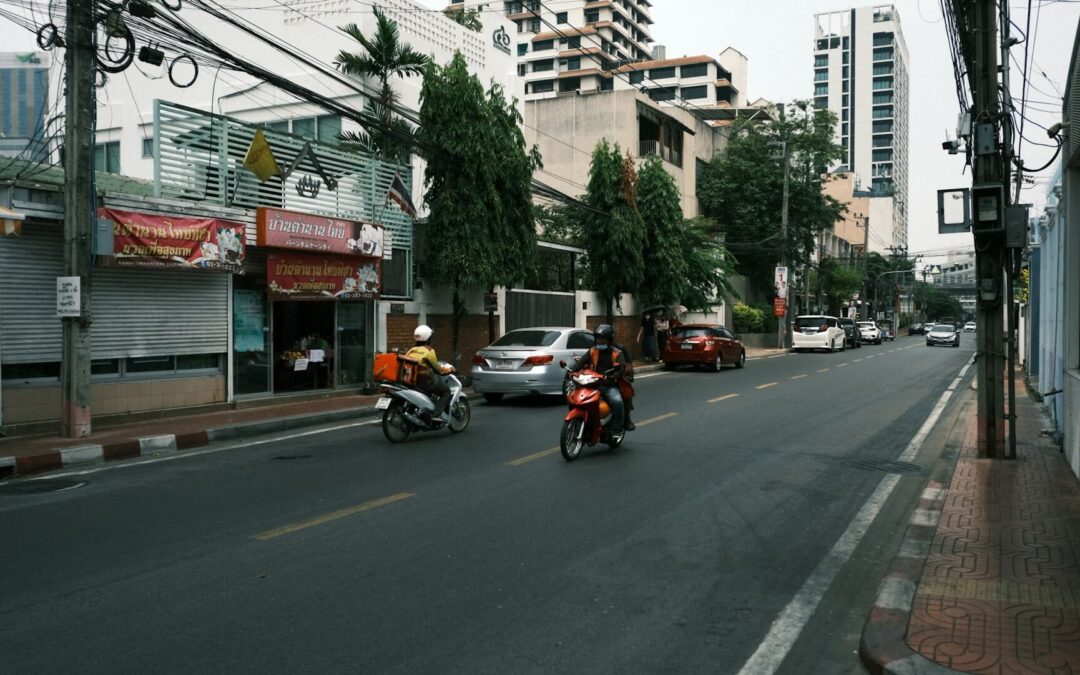
Many travellers struggle to choose between a car and a scooter for local travel. Renting Cars Or Mopeds In Thailand can cost as little as 200 baht a day for scooters, and about 1,000 baht for cars.
This guide will compare costs, safety, comfort, and where each option works best. Read on to pick what fits your trip.
Driving in Thailand: Key Rules and Regulations
Driving in Thailand is a bit different. You drive on the left side of the road, which can surprise many tourists.
Why do you drive on the left side in Thailand?
Thailand drives on the left, a rule that affects every Scooter and Car rental. This rule matters in Phuket, where geography and distances push some travellers to choose a scooter for short trips, or a car for longer road trips.
Scooters rent from about 200 baht per day, while car rental starts near 1,000 baht per day, and cars give air conditioning and protection from rain.
Safety matters on left‑hand roads, and rental requirements differ between mopeds and cars, so check documents before you travel. The next section covers the requirements for an International Driving Permit in Thailand.
What are the requirements for an International Driving Permit in Thailand?
You need the right licence to drive in Thailand. An International Driving Permit often works for tourists.
- Show your valid home licence, it proves your driving history and many rental shops will not rent a scooter or car without it.
- Carry an International Driving Permit, rental agencies and police ask for it, it helps with car rental that starts around 1,000 baht per day and scooter hires from about 200 baht per day.
- Bring your passport and a copy, agencies use it for registration and it helps if police stop you on Phuket roads, which have varied geography and weather.
- Meet age rules, many car firms set a minimum of 21 to 25 for full cover, scooter hire often accepts 18 plus but some shops refuse younger drivers.
- Check which IDP convention your country issued, some insurers and rental agencies prefer the 1968 or 1949 formats, this affects insurance cover and legal standing.
- Confirm insurance acceptance, some policies require an IDP plus local licence to validate cover, this matters for safety, costs and any road trip or local commuting plan.
What are the helmet and seatbelt laws in Thailand?
Helmets and seatbelts save lives in Thailand. Laws treat scooters and cars differently.
- Motorcycle riders must wear helmets, both driver and passenger.
- Helmet use applies to daily scooter rentals, which can cost as low as 200 baht per day.
- Car occupants must wear seatbelts in front seats, and rental cars, which start around 1,000 baht per day, usually have functioning belts.
- Police enforce helmet and seatbelt rules, and fines apply for non‑compliance.
- Weather matters, rain and heat make helmets and seatbelts more important for safety and comfort.
- Phuket’s geography and distance between attractions favour helmets on short rides, but cars give more protection on long trips.
- Tourists should check rental requirements, because documents differ for moped and car rental and insurance options vary.
- Scooter riders face more exposure to road hazards, so a good helmet and cautious riding reduce risk.
- Car renters gain air conditioning and shelter from weather, which helps on long drives and during storms.
- Safety remains the main factor in choosing transport, so follow helmet and seatbelt rules to stay legal and safe.
Renting a Moped in Thailand
Renting a moped in Thailand can be an exciting way to explore. Prices vary, but it’s often quite cheap, making it a budget-friendly option for tourists.
How much does it cost to rent a moped and what documents do you need?
Here is what to expect for moped rentals in Thailand.
| Item | Details |
| Daily cost | From 200 baht per day, about USD $6.60. This is very budget friendly. |
| Typical rental locations | Daily rentals are offered throughout Thailand at many rental shops and agencies. |
| Best use | Ideal for short trips and getting around local areas. |
| Documents commonly required | Passport copy, local driving licence or International Driving Permit, and a signed rental contract. A deposit or credit card hold is often requested. |
| Requirements note | Rental requirements differ between scooters and cars; review them before making a decision. |
| Weather and comfort | Mopeds leave riders exposed to sun and rain, unlike cars which offer air conditioning and weather protection. |
| Safety reminder | Safety is a key factor to weigh when choosing between a scooter or a car. |
Next, check what insurance options are available for mopeds.
What insurance options are available for mopeds?
Moped insurance varies by provider, cover level and rental shop.
| Policy Type | What it Covers | Typical Cost | Documents Needed | Where to Buy | Quick Tip |
| Basic Third-Party |
|
|
|
|
|
| Collision Damage Waiver (CDW) |
|
|
|
|
|
| Personal Accident Cover |
|
|
|
|
|
| Full Coverage / Comprehensive |
|
|
|
|
|
| Roadside Assistance |
|
|
|
|
|
What are the best safety tips for riding a scooter?
Riding a scooter in Thailand can be fun, yet safety should always come first. Here are some important tips to keep you safe while enjoying your ride.
- Always wear a helmet. It is required by law in Thailand and helps protect your head if you fall.
- Check the brakes before riding. Make sure they work well to stop safely when needed.
- Keep both feet on the footrests at all times. This helps you maintain balance and control.
- Drive defensively. Watch for cars, pedestrians, and other obstacles around you.
- Follow traffic rules strictly. Observe speed limits and signals to avoid accidents.
- Be cautious on wet or slippery roads, especially during rainstorms. The roads can become very slick, increasing the risk of falling.
- Avoid riding after dark if possible; visibility decreases at night, making it harder to see and be seen.
- Stay within local speed limits; driving too fast reduces reaction time if something unexpected happens.
- Use turn signals or hand gestures when changing lanes or turning; this alerts other drivers to your actions.
- Be mindful of your surroundings; be aware of any potential dangers like potholes or loose gravel that could cause issues while riding a scooter in Thailand.
Each of these tips helps ensure a safer ride on your scooter adventure across beautiful Thailand!
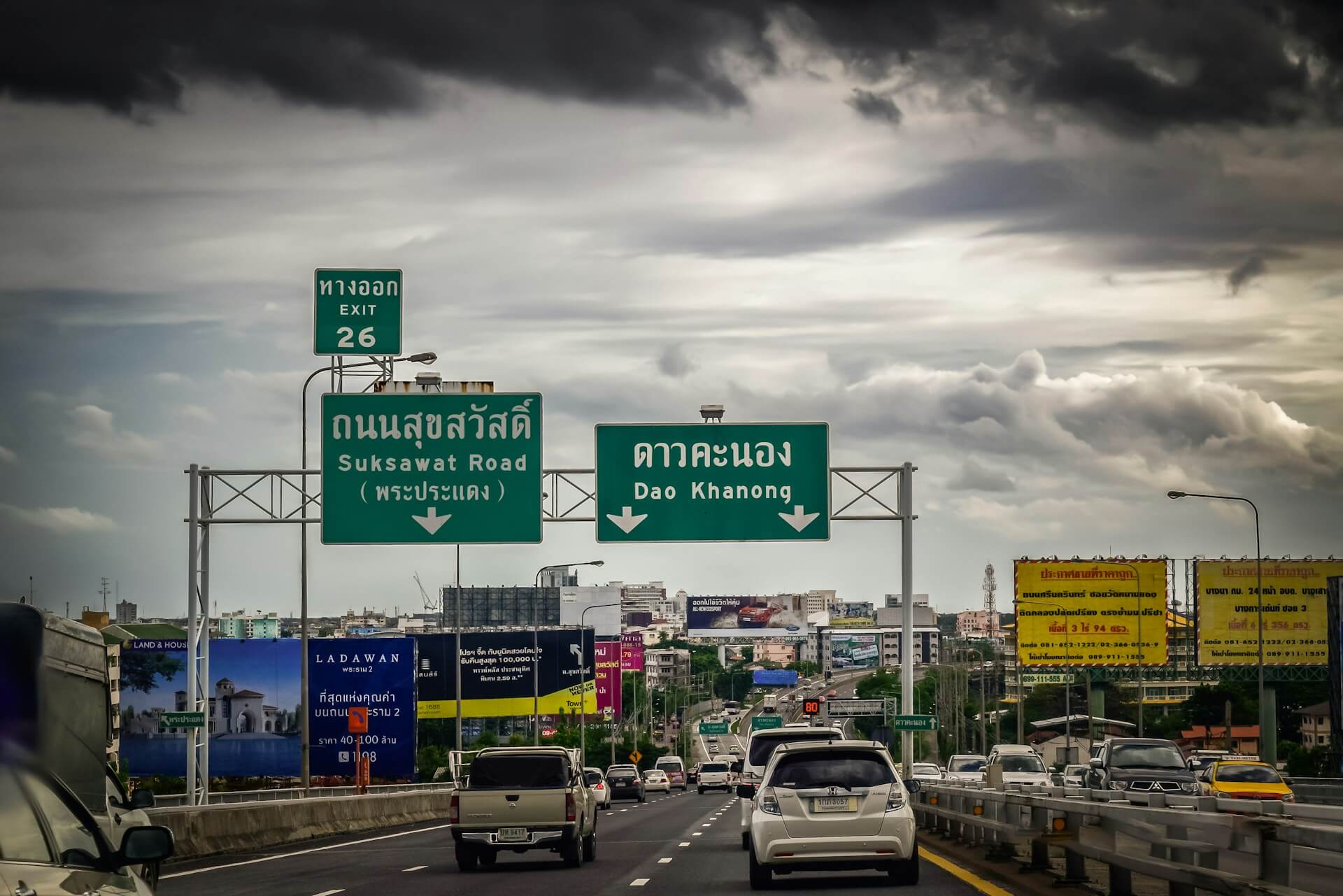
Renting a Car in Thailand
Renting a car in Thailand can be a great way to explore the country freely. You’ll need some documents, like your driver’s license and passport, along with an International Driving Permit.
Costs vary but are often reasonable for budget travellers… Want to know more about the fine print? Keep reading!
What documents and costs are involved in renting a car?
A car gives shade, air conditioning and shelter from rain.
| Item | Summary points |
| Required documents |
|
| Typical costs |
|
| Deposit and payment |
|
| Insurance options |
|
| Fuel and extras |
|
| Safety and laws |
|
| Practical tips |
|
What car rental insurance should you consider?
Consider basic coverage when renting a car in Thailand. This insurance usually covers damage to the vehicle and third-party liability. Rates for rentals start at around 1,000 baht per day.
This can help protect you from high repair costs if an accident occurs.
Think about additional options too. Some rental companies offer full coverage or extra protection against theft and personal injury. Always read the fine print before agreeing to any policy.
Ensure you know what is included in your contract, as well as any out-of-pocket expenses you might face after an incident.
What practical tips can help with renting a car?
Renting a car in Thailand can be simple if you follow some basic tips. It helps to know what to expect before you start.
- Check your documents. You need a valid driving licence and an International Driving Permit (IDP) when renting a car in Thailand.
- Compare prices online. Car rental rates often vary, so shop around for the best deal. Prices usually start at around 1,000 baht per day.
- Understand insurance options. Look at different types of rental insurance available to protect yourself while driving. Choose one that covers theft and damage.
- Inspect the car carefully before signing anything. Check for any scratches or dents, and make note of them with the rental company.
- Know the fuel policy. Some companies prefer you to return the car full; others may charge you for refuelling.
- Be aware of local driving laws. Thailand drives on the left side, so keep this in mind while traversing roads.
- Plan your routes ahead of time. Use maps or GPS to avoid getting lost, especially in remote areas or cities like Phuket.
- Stay informed about weather conditions. Rain can impact visibility, so check forecasts before setting off on long trips.
- Consider your comfort needs, especially if travelling longer distances or during hot weather; cars offer air conditioning which scooters do not provide.
- Keep emergency contacts handy just in case something goes wrong with the vehicle or your plans change during your trip.
Following these tips will make your car rental experience smoother and more enjoyable while you explore Thailand’s beautiful scenery and attractions!
Which Should You Rent: Car or Moped?
Scooters cost around 200 baht (USD $6.60) per day in Thailand, making them a cheap choice for short trips. They are easy to park and great for local commuting. Cars, on the other hand, usually start at about 1,000 baht per day. They offer air conditioning and protect you from rain or sun.
Consider the geography of places like Phuket when choosing between a car or moped rental. For longer distances or bad weather, a car is more comfortable and safer. Always check the necessary documents before renting either vehicle to ensure a smooth experience while travelling in Thailand!
Renting Cars or Mopeds in Thailand in 2026
Choosing between a car or a moped in Thailand is all about your needs. If you want to explore local areas, mopeds are cheap and easy. For longer trips or comfort from the heat, cars work better.
Think about your plans and safety first; then make the choice that fits best for your adventure!
SPS Car Hire Pattaya is the perfect place for renting cars or mopeds in Thailand. Please click here to see our moped rentals. You can also click on the button below to see our car rentals.
 -
- -
- -
- -
- -
- -
- -
-