

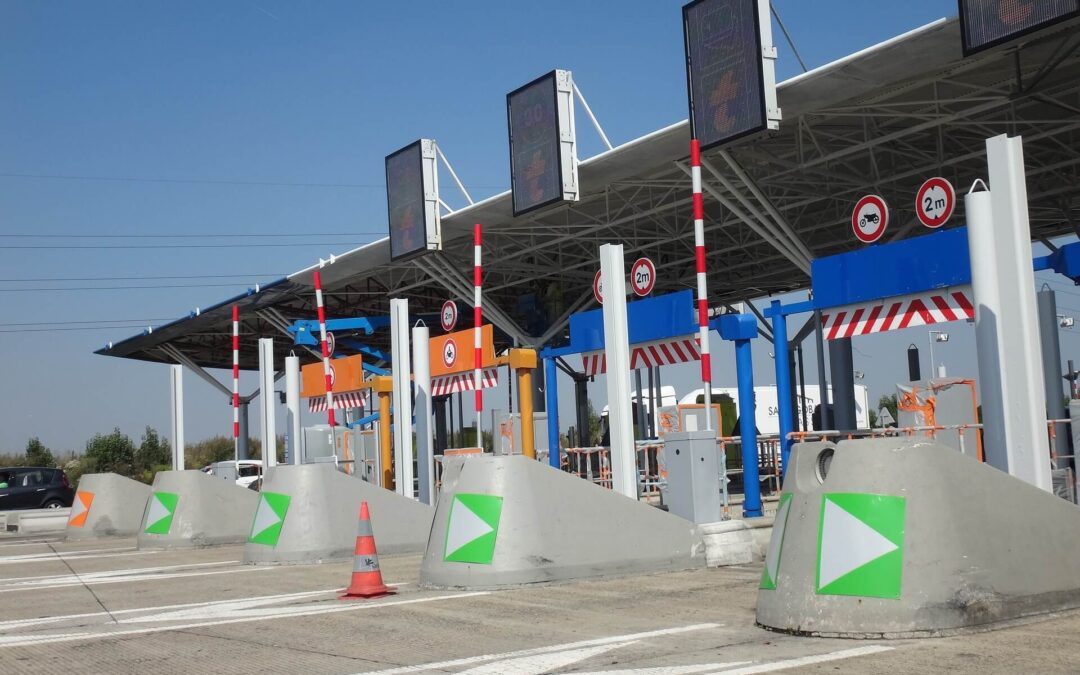
It’s important to be able to handle Thailand’s toll roads, especially if you come from a country that doesn’t have many. Driving in Thailand presents a unique set of challenges, particularly when it comes to toll roads. Many drivers find themselves at sea trying to comprehend the payment systems or simply navigating through the busy highways.
This common issue has left numerous travellers and locals alike scratching their heads, wondering how best to tackle these hurdles without dampening their journey’s spirit.
Interestingly, Thailand boasts an innovative toll collection system known as M-Flow, which revolutionises the way drivers pay for road use. Our article aims to demystify the process of navigating Thailand’s toll roads, offering essential tips on safe driving practices and adhering to local road rules.
From understanding Bangkok’s bustling traffic to utilising cutting-edge navigation apps and grasping the nuances of gas refuelling and parking norms in Thailand; we’ve got you covered.
Ready for a smoother ride? Let’s find out more about dealing with Thailand’s toll roads.
The Toll Road System in Thailand
The toll road system in Thailand has a rich history and is prevalent throughout the country. Various types of vehicles are allowed on these roads, which are located in key areas across the nation.
History of toll roads in Thailand
Thailand introduced its first toll road, the Bangkok-Chonburi Motorway, in 1981. This was a major step forward in modernising the country’s transportation infrastructure. The move aimed to ease Bangkok traffic congestion and provide quicker routes between major cities and regions.
Since then, the development of toll roads has been crucial in supporting Thailand’s economic growth and tourism industry by improving road conditions and reducing travel times.
Toll roads rapidly expanded throughout Thailand following this initial introduction. Operators built more motorways linking key areas, facilitating smoother commutes for locals and tourists alike exploring Thailand by car.
These developments have played a significant role in enhancing local driving styles through better road conditions while ensuring safety standards are met for all types of vehicles allowed on these highways.
Locations of toll roads
Thailand’s toll roads are strategically placed throughout the country, with key locations including major highways connecting cities such as Bangkok, Chiang Mai, Phuket, and Pattaya.
Additionally, expressways in metropolitan areas like Bangkok and its surrounding provinces are also equipped with toll booths to facilitate smoother traffic flow. These toll roads not only enable efficient intercity travel but also provide convenient access to popular tourist destinations across Thailand.
Drivers exploring Thailand’s diverse landscapes should be aware of the various toll road points along their journey.
Types of vehicles allowed
Different types of vehicles are allowed on Thailand’s toll roads. These include cars, motorcycles, buses, and trucks. It’s essential to adhere to the regulations and fee structures applicable to each vehicle type when navigating through the toll gates in Thailand.
How to Pay Tolls in Thailand
To pay tolls in Thailand, drivers traditionally use cash at the toll booths. The introduction of the M-Flow system offers a convenient and efficient cashless payment option, providing an advantage for motorists.
Traditional payment methods
Traditional payment methods for toll roads in Thailand include cash and electronic cards. Cash can be handed to the toll booth operator, while electronic cards are used at designated lanes for faster processing.
These traditional methods are widely accepted but may lead to longer waiting times, especially during peak travel hours. While they remain viable options, many drivers in Thailand are transitioning towards the more efficient M-Flow system for quicker and more convenient toll payments.
Thailand’s road infrastructure has seen a significant shift with the introduction of the M-Flow system, making it easier for drivers to navigate through toll gates without delays or hassles.
Introduction of the M-Flow system
The M-Flow system, implemented at various toll gates in Thailand, offers a modern and efficient way for drivers to pay their tolls. This advanced electronic payment system enables seamless transactions and reduces congestion at toll plazas.
With the use of dedicated lanes for M-Flow users, drivers can enjoy faster processing times. Embracing the M-Flow system ensures smoother travel experiences on Thailand’s toll roads.
Moving forward, let’s explore the safe driving practices that are essential for navigating through Thai toll roads.
Advantages of using M-Flow
Transitioning from the introduction of the M-Flow system, drivers can enjoy numerous advantages by using M-Flow toll gates in Thailand. With M-Flow, drivers can experience seamless and efficient toll payment processing, reducing wait times at toll booths.
Furthermore, M-Flow enables swift passage through toll gates, making travel more convenient for commuters navigating through Thailand’s roadways.
By utilising M-Flow toll gates in Thailand, drivers can experience faster and smoother transactions compared to traditional payment methods. This innovative technology simplifies the process of paying tolls and contributes to a hassle-free driving experience on Thai roads while helping reduce traffic congestion at toll plazas.
Safe Driving on Toll Roads in Thailand
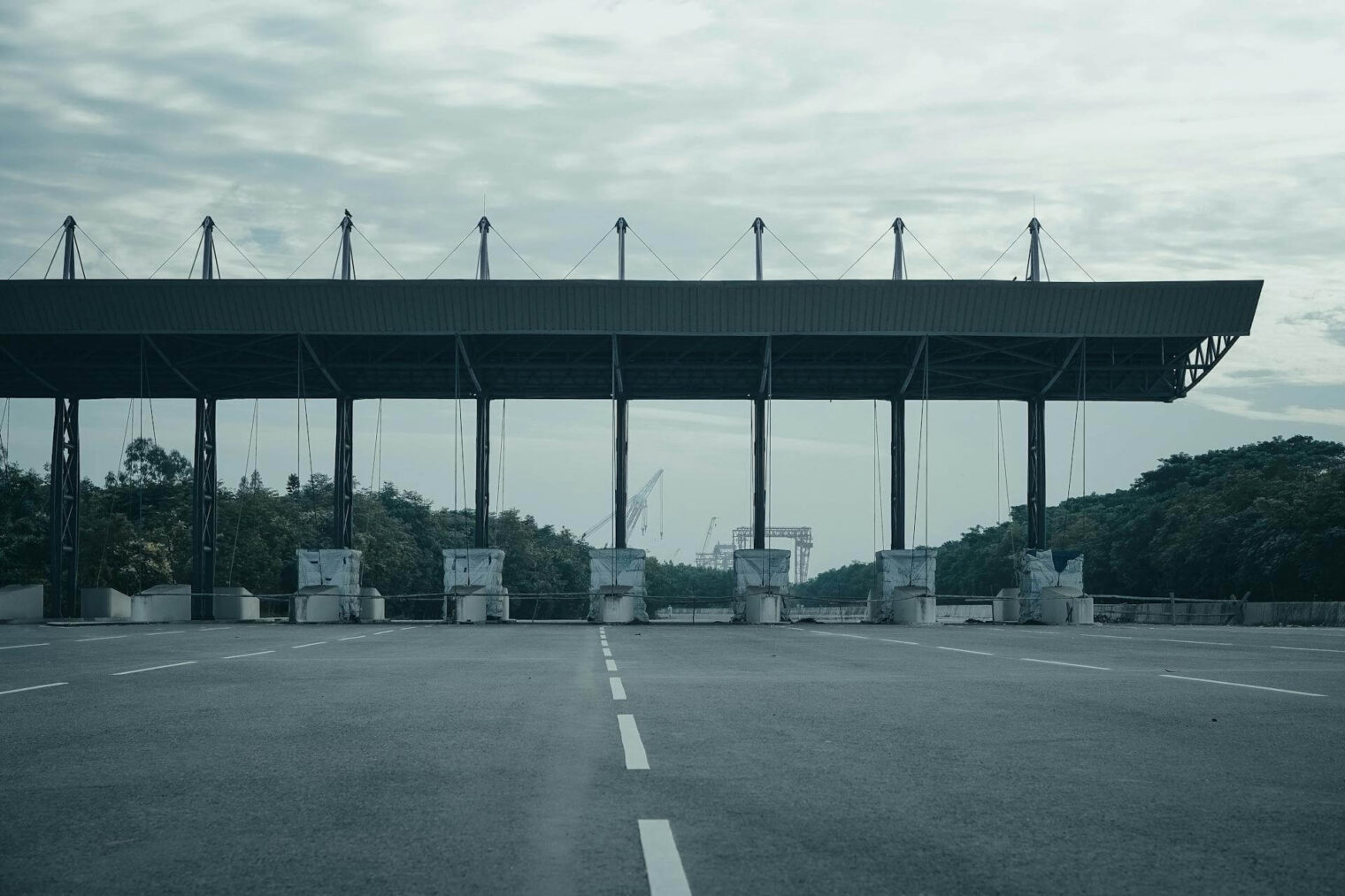
Drive safely on Thailand’s toll roads by understanding local driving styles, following road rules, and taking note of tips for navigating Bangkok traffic. To learn more about safe driving practices in Thailand, read the full article now!
Understanding local driving styles
Local driving styles in Thailand vary significantly from those in other countries. Thai drivers are known for their assertiveness and agility on the roads, often maneuvering through traffic with ease.
It’s important to adapt to this style of driving when navigating through urban areas or highways in Thailand. Understanding and respecting local driving practices is key to ensuring a safe and smooth journey.
Drivers should be prepared for frequent lane changes, weaving through traffic, and overtaking maneuvers by other vehicles. Being aware of these local driving habits will help drivers anticipate and respond effectively while maintaining safety on the road.
Additionally, being mindful of motorbikes weaving between cars is essential, as they are a common sight on Thai roads.
Adapting to local driving styles will enhance your overall experience while traveling in Thailand and contribute to safer road conditions for all commuters.
Following road rules
After understanding local driving styles in Thailand, drivers need to be aware of the road rules to ensure a safe journey. Adhering to speed limits, using indicators for lane changes, and respecting right-of-way regulations are crucial for smooth traffic flow.
Observing designated lanes for toll payments and maintaining a safe following distance from other vehicles contributes to overall road safety. Familiarising oneself with these road rules enhances the driving experience and reduces the risk of accidents.
When driving on toll roads in Thailand, it’s essential for motorists to follow all signage indicating speed limits and toll payment requirements. Being mindful of these guidelines not only promotes safety but also facilitates efficient navigation along the country’s extensive toll network.
Tips for navigating Bangkok traffic
Navigating Bangkok traffic requires patience and vigilance. Keep a safe distance from other vehicles and be alert for sudden lane changes. Using navigation apps like Google Maps can help you find the best routes to avoid heavy congestion in the city.
When driving in Bangkok, it’s also important to anticipate motorcycles weaving through traffic and pedestrians crossing the road unexpectedly. Adhering to local road rules and staying focused on your surroundings will make your journey through Bangkok traffic smoother and safer, ensuring that you reach your destination without unnecessary delays.
Tips for Exploring Thailand by Car
Planning your route will ensure you make the most of your road trip around Thailand, while using navigation apps can help you discover hidden gems along the way. Respecting toll fees and regulations is essential for a smooth and enjoyable driving experience in Thailand.
Planning your route
When exploring Thailand by car, it is essential to plan your route meticulously. Utilise navigation apps to map out your journey and ensure you are aware of petrol refuelling stops along the way.
Take note of parking norms at various sites and be prepared for toll fees that may apply on certain routes in Thailand.
Petrol refuelling and parking norms
When it comes to petrol refuelling in Thailand, drivers can find fuel stations easily along major highways and within cities. Ensure that the vehicle is parked in an appropriate space before refuelling, adhering to local parking norms and regulations.
It’s important to follow designated parking areas and be mindful of any signage indicating where parking is allowed.
Thailand has a range of options for petrol refuelling, with both full-service and self-service stations available. MFlow toll gates are conveniently located near many petrol stations across the country.
Drivers should plan their routes carefully, taking into account suitable places for refuelling. Additionally, being aware of parking norms and regulations can help ensure a smooth driving experience when travelling through Thailand by car.
Utilising navigation apps
When exploring Thailand by car, it is essential to make use of navigation apps to ensure a smooth and hassle-free journey. These apps provide real-time traffic updates, alternative routes, and points of interest along the way.
By using navigation apps, drivers can easily navigate unfamiliar roads and find the most efficient paths to their destinations. Additionally, these apps help in avoiding toll roads if desired and give clear directions in English for international visitors.
By utilising navigation apps designed for Thailand’s road network, drivers can confidently embark on their journeys with accurate guidance at their fingertips. Whether it’s navigating bustling city streets or scenic countryside routes, these apps offer tailored assistance for a more convenient driving experience throughout Thailand.
Respecting toll fees and regulations
When driving in Thailand, it’s essential to respect toll fees and regulations. Make sure to have sufficient cash or an electronic pass for paying tolls. Familiarise yourself with the specific toll rates and regulations for different types of vehicles, such as cars, motorcycles, and trucks.
Adhering to these guidelines ensures a smooth and hassle-free journey on Thailand’s toll roads.
By observing the prescribed toll fees and regulations, drivers can contribute to the overall safety and efficiency of the country’s road network. This demonstrates consideration for local infrastructure while facilitating a positive experience when commuting across Thailand.
Handling Thailand’s Toll Roads in 2024
Thailand’s toll roads present a convenient way to travel around the country, with M-Flow system being an efficient mode of payment. Safe driving is crucial on these roads, considering local driving styles and following road rules.
Exploring Thailand by car requires meticulous planning, fuelling stations, parking norms awareness and utilising navigation apps. These strategies are not only practical but also easily implementable towards ensuring a hassle-free journey and unlocking the secrets of exploring Thailand by car.
What can you do to ensure your drive in Thailand is safe and enjoyable? You can book a car rental in Thailand from SPS Car Hire Pattaya. We have a reputation for reliability and affordability. Click on the buttom below to rent a car in Thailand or click here to rent a motorbike in Pattaya.
 -
- -
- -
- -
- -
- -
- -
-