

Navigating Thailand’s road laws might seem a bit tricky on the naked eye. Embarking on a holiday to Thailand offers an exhilarious mix of scenic beauty, cultural experiences, and culinary delights. However, navigating the road laws can often appear challenging for tourists wishing to explore by car or motorbike.
Understanding local driving customs and regulations is crucial for both safety and compliance.
Interestingly, Thailand has a unique blend of international driving rules blended with its own set of local laws that govern highway travel and city navigation alike. This guide aims to simplify Thai road rules, offering insights into everything from obtaining a licence as a foreigner to handling police checkpoints.
It provides practical advice on vehicle rental in Thailand, ensuring tourists are well-prepared for their journey.
This blog is your all-in-one resource for tourist driving guidelines in Thailand. Ready to hit the road? Let’s find out more about Thailand’s road laws and driving here.
Driving in Thailand: Facts and Figures
Foreign tourists can drive in Thailand with a valid international driving permit or a driver’s license from their home country. Thai driving licenses are encouraged but not mandatory for short-term visitors.
Who can drive in Thailand?
To drive in Thailand, tourists from abroad must have a valid International Driving Permit (IDP) alongside their national driving licence. This requirement makes sure that all drivers on Thai roads understand the local driving culture and road laws in Thailand.
The IDP serves as an official document translated into many languages, helping to bridge communication gaps during traffic stops or when dealing with car rental agencies.
Drivers need to be at least 18 years old to operate a vehicle legally in Thailand. Understanding Thai road signs and adhering to tourist driving regulations are crucial for safety while enjoying highway travel in Thailand.
Foreigners planning to stay longer may consider obtaining a Thai driving license, which involves passing both practical and theoretical tests covering traffic regulations for travelers in Thailand and ensuring road safety in Thailand.
Thai driving licenses
To understand Thai driving regulations, tourists must be aware of the requirements for obtaining a Thai driving licence. Foreigners can drive in Thailand using an international driving permit (IDP) alongside their original driver’s licence.
However, it is important to note that after residing in Thailand for more than three months, individuals are required to obtain a Thai driving licence to continue legally driving in the country.
The process involves submitting necessary documents and passing a written and practical test at the Department of Land Transport.
By familiarising themselves with these regulations and following the necessary steps to obtain a Thai driving licence, tourists can navigate Thailand’s roads confidently and lawfully while enjoying their travel experience.
Insider tips
To ensure a smooth driving experience in Thailand, it’s essential to familiarise yourself with the local driving culture. Keep in mind that road conditions may vary across different regions, so staying alert and adaptable is crucial.
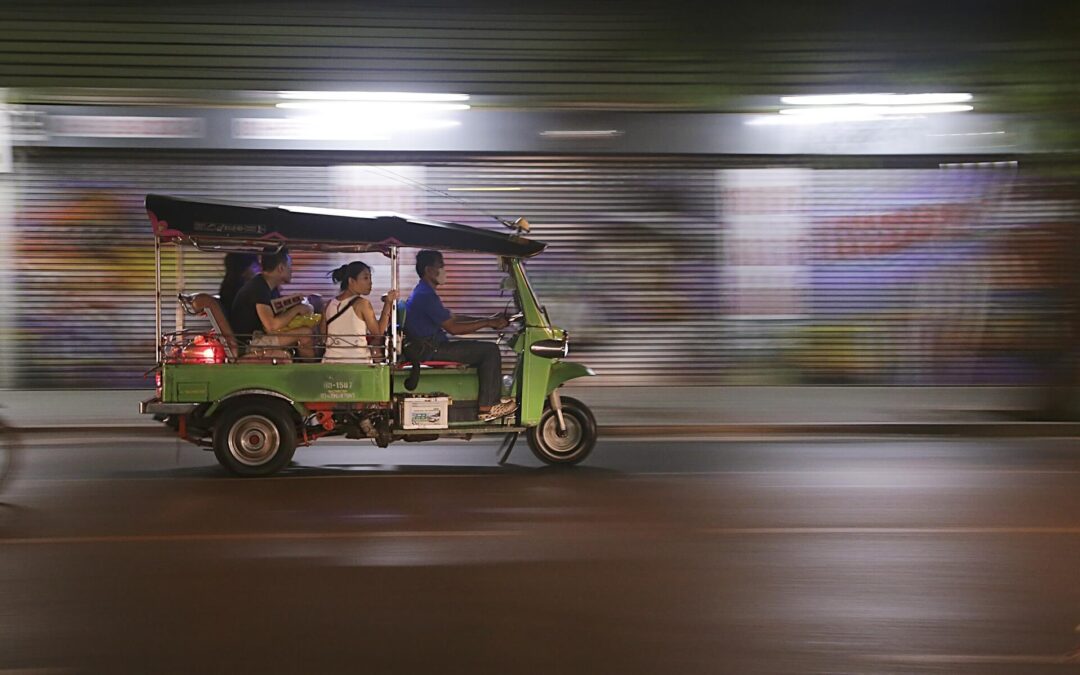
It’s important to adhere to speed limits and pay attention to road signs, as they might differ from what you’re used to. Additionally, be mindful of motorbikes and tuk-tuks weaving through traffic, especially in bustling city centres.
Understanding these nuances will help you navigate Thai roads with confidence.
When embarking on your journey through Thailand, keep an eye out for unexpected hazards such as potholes and stray animals on rural roads. Remember to drive defensively and anticipate erratic driving behaviour from other road users.
Lastly, consider obtaining comprehensive travel insurance that covers any unforeseen incidents while driving in Thailand.
Rules and Regulations for Driving in Thailand
Traffic laws in Thailand cover road signs, speed limits, seatbelt and helmet laws, as well as drink driving regulations. Additionally, parking rules are strictly enforced and form an essential part of the local driving culture.
Road signs and traffic laws
Road signs and traffic laws play a crucial role in ensuring driving safety in Thailand. International visitors need to familiarise themselves with the local road signs and traffic laws, which may differ from those in their home countries.
Understanding these regulations is essential for navigating Thai roads as tourists. It’s important to adhere to speed limits, give way at roundabouts, and respect pedestrian crossings for a smooth driving experience.
Foreigners driving in Thailand should be aware of the nuances of local road signage and traffic laws to ensure compliance during their visit. Safe travel on Thai roads involves understanding and obeying the various road signs, such as speed limit indicators, warning signs for bends or intersections, as well as directional indications for specific locations.
Speed limits
Speed limits in Thailand vary depending on the type of road. In urban areas, the speed limit is typically 60 km/h (37 mph). On rural roads, it can range from 80 to 90 km/h (50 to 56 mph), while highways allow speeds of up to 120 km/h (75 mph).
It’s crucial for tourists driving in Thailand to adhere to these limits, as fines for speeding can be hefty and may lead to license suspension. Being aware of and respecting the speed restrictions contributes significantly to road safety and ensures a smooth driving experience.
For foreign visitors embarking on a self-driven journey through Thailand, comprehending and adhering meticulously to local traffic laws and regulations is essential. Speed limits are just one aspect of navigating Thai roads; however, understanding them proves pivotal towards ensuring a safe and enjoyable travel experience.
Following these guidelines not only enhances driver safety but also fosters mutual respect within the local driving culture. This paves the way for an enriching exploration of Thailand’s diverse landscapes without any unnecessary drawbacks or interruptions.
Next Heading: “Seatbelt and helmet laws
Seatbelt and helmet laws
Moving on from the regulation of speed limits to adhering to safety measures, it is crucial for all drivers and passengers in Thailand, including tourists, to be aware of the seatbelt and helmet laws.
The use of seatbelts is mandatory for both drivers and passengers travelling in the front seats of a vehicle. Additionally, motorcycle riders must wear helmets at all times while on the road.
These laws are strictly enforced as part of Thailand’s driving regulations, ensuring the safety of everyone on the roads.
Compliance with seatbelt and helmet laws is essential when navigating Thai roads as a visitor. Not only does this ensure adherence to local traffic laws but also contributes to personal safety while exploring the diverse driving conditions in Thailand.
Whether driving through bustling city streets or venturing into scenic rural areas, tourists should prioritise their safety by respecting these fundamental regulations.
Drink driving laws
Drink driving laws in Thailand are strict, with a zero-tolerance policy for drivers found under the influence of alcohol. Foreigners driving in Thailand must adhere to the regulations regarding drink driving.
The legal blood alcohol limit is 0%, meaning that any amount of alcohol in your system while operating a vehicle is prohibited.
Police often conduct random breathalyser tests at checkpoints and can impose heavy fines or even imprisonment for those found to be over the limit. It’s essential for tourists to understand and respect these laws when navigating Thai roads to ensure their safety and compliance with local regulations.
Understanding and abiding by drink driving laws not only ensures personal safety but also contributes to road safety for all users.
Parking regulations
Moving on from understanding the Drink Driving Laws in Thailand, it’s important to be aware of the parking regulations in the country. When navigating Thai roads, tourists should observe the local parking rules diligently.
Finding a suitable and legal parking spot can sometimes be challenging due to limited spaces and high congestion in urban areas. Familiarising oneself with these regulations and finding secure parking spots is crucial for an enjoyable driving experience in Thailand.
Tourists driving in Thailand must adhere to designated parking areas according to local road laws. It is essential for visitors to understand where they are allowed to park their vehicles without violating any traffic regulations.
This information ensures smooth navigation through city streets while adhering to Thailand’s road laws.
Navigating Thai Roads – Thailand’s Road Laws
For tips on driving in Thailand, dealing with police checkpoints, and road safety advice. If you’re embarking on a Thai road trip or seeking more than just the typical tourist experience, this section is tailored for you. It’s important to understand Thailand’s road laws in 2024 if you are driving here.
Tips on driving in Thailand
When driving in Thailand, it’s important to familiarise yourself with the local traffic laws and regulations. Adhering to speed limits, wearing seat belts, and being mindful of motorbike helmet laws is crucial for your safety and legal compliance.
Stay alert for unfamiliar road signs and be aware of diverse driving styles on Thai roads.
Foreigners driving in Thailand should carry an International Driving Permit (IDP) along with their valid domestic driver’s licence. It’s also advisable to purchase comprehensive car insurance coverage to protect against any unforeseen incidents.
Additionally, taking extra caution at intersections and while changing lanes can help mitigate risks associated with the busy traffic conditions often encountered in urban areas.
Dealing with police checkpoints
When driving in Thailand, it’s important to be prepared for police checkpoints. These are common throughout the country and are typically set up to check for valid driver’s licenses, vehicle registration, and adherence to safety regulations such as seatbelt usage.
When approaching a police checkpoint, remain calm and follow any instructions given by the officers. Ensure that you have all necessary documents readily available for inspection. Being polite and cooperative can help streamline the process at these checkpoints and ensure a smooth continuation of your journey.
Road safety tips
When driving in Thailand, it’s vital to prioritise road safety. Always adhere to speed limits and wear seat belts or helmets as required. Keep a safe distance from the vehicle in front of you and stay alert for motorbikes weaving through traffic.
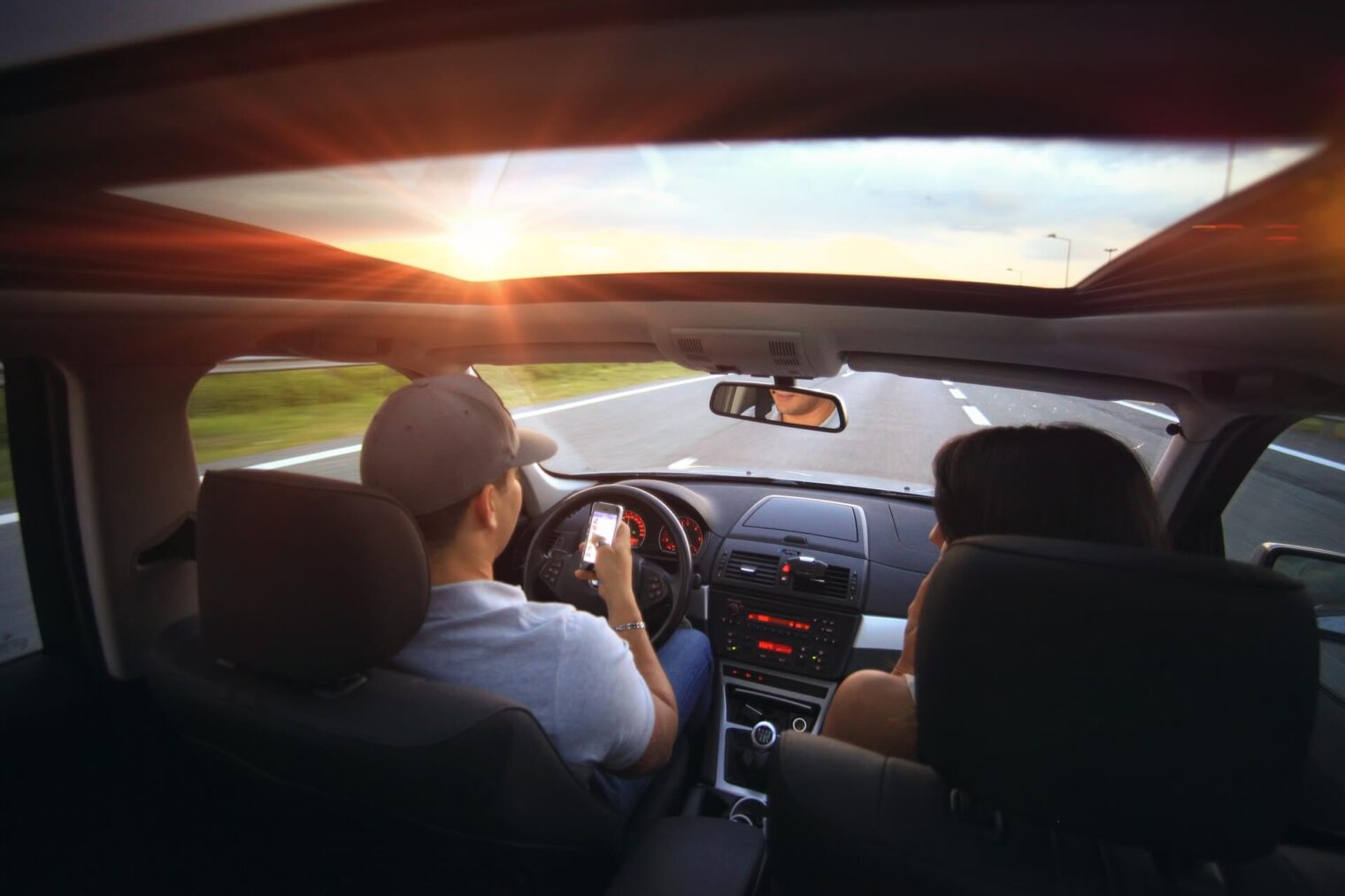
Avoid distractions while driving, such as using mobile phones, and be cautious around pedestrians. Understanding local driving customs can also help you navigate Thai roads safely.
Heading: Dealing with Accidents and Breakdowns
Dealing with accidents and breakdowns
In the unfortunate event of an accident or breakdown on Thai roads, it is crucial to stay calm and ensure everyone’s safety. If possible, move your vehicle to the side of the road and turn on hazard lights.
Dial 1669 for emergency assistance or contact your car rental agency if applicable. Make sure to take photos of the scene, exchange insurance details with other parties involved, and file a police report within 24 hours at the nearest police station.
For breakdowns, call your car rental company or roadside assistance service provider for support. Always carry their contact information along with essential documents such as your driving licence and insurance papers for swift resolution.
Owning a Vehicle in Thailand
When it comes to owning a vehicle in Thailand, there are aspects such as car insurance, repair services, and buying, importing, renting, or selling a car. Car ownership takes meticulous planning and consideration of local rules and regulations.
Buying, importing, renting, and selling a car
Foreigners in Thailand have the option to buy, import, rent, or sell a car. When buying a car, it is crucial to understand the process and legal requirements for foreigners. Importing a vehicle involves adhering to specific regulations and paperwork.
Renting a car can provide flexibility for tourists who prefer not to buy. Selling a car as a foreigner also requires understanding local laws and procedures.
Car insurance is essential when purchasing or renting a vehicle in Thailand. It provides coverage for accidents, theft, and third-party liabilities. Additionally, foreigners should be aware of reputable car repair services available in the country.
Car insurance
When driving in Thailand, it’s crucial to have car insurance to protect against any potential mishaps. Whether you’re renting or bringing your own vehicle into the country, make sure that you have the necessary coverage before hitting the road.
Understanding the local driving conditions and legal requirements is essential for tourists navigating Thailand’s roads.
Next up: Car repair services
Car repair services
After understanding the car insurance requirements, it is essential to be aware of the available car repair services in Thailand. Finding reliable and trustworthy mechanics or garages can be crucial for tourists.
Whether it’s a simple repair or routine maintenance, having access to quality car repair services can provide peace of mind during your travels. As a foreigner driving in Thailand, being familiar with local car repair facilities and options will ensure that you are prepared for any unexpected vehicle issues that may arise.
Understanding the local processes and having knowledge about where to find reputable car repair services can significantly enhance your experience while driving in Thailand. Being informed about this aspect of owning a vehicle in Thailand will help mitigate any potential setbacks arising from unforeseen mechanical problems.
Understanding Thailand’s Road Laws
After absorbing the essential driving knowledge for Thailand, you are now equipped with crucial road laws and regulations. Emphasise practicality and efficiency by implementing these strategies while navigating Thai roads. Understanding Thailand’s road laws can definitely help if you are driving here.
How can you apply these tips to ensure a smooth driving experience in Thailand? Stress the importance of complying with local driving etiquettes as a responsible tourist. Explore additional resources for further understanding of international driving in Thailand.
Reflect deeply on the impact of adhering to Thailand’s road laws while immersing yourself in the rich culture and scenic beauty of the Kingdom. At SPS Car Hire Pattaya, we have all the best rentals cars in Thailand for any road trip or journey. Click on the button below to rent a car in Thailand or click here to see our Thailand bike rentals.
 -
- -
- -
- -
- -
- -
- -
-