

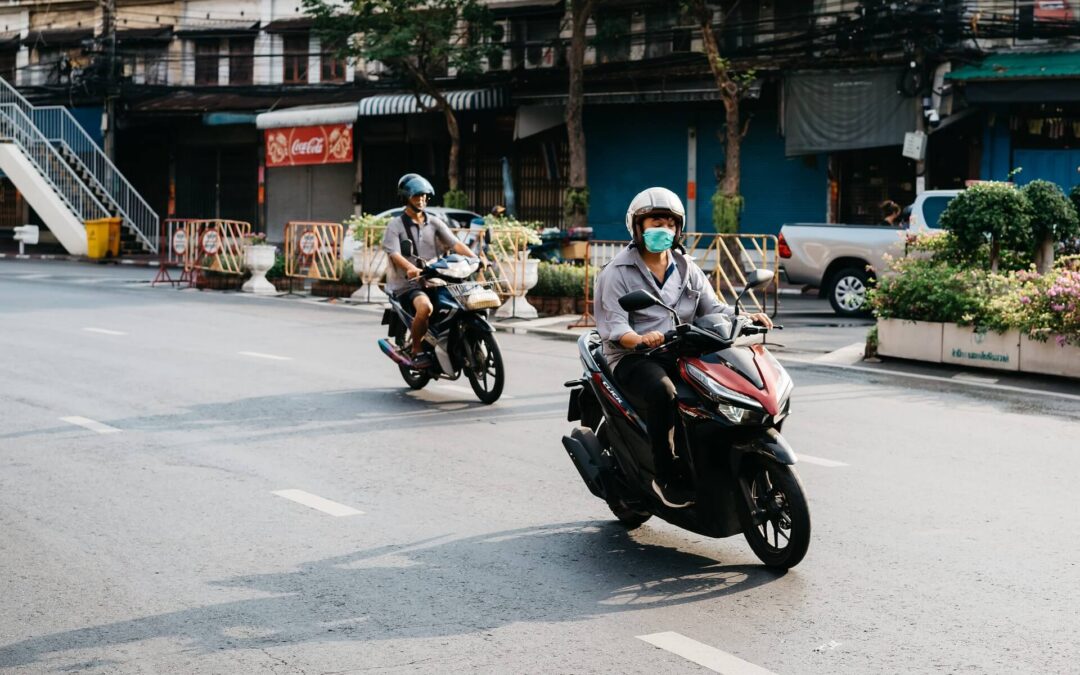
Discovering Thailand on a motorbike is an adventure many dream about. But riding a motorbike in Thailand comes with its own set of challenges. Roads can be hectic, and local driving habits might surprise new riders.
Knowing the rules of the road is crucial for keeping safe.
One key fact is that Thailand has strict helmet laws. Riders must always wear a helmet, both for safety and to obey Thai traffic laws. Our article provides essential tips on motorcycle safety in Thailand, legal requirements for riding, and how to enjoy your ride without any trouble.
It’s time to gear up!
The Importance of Knowing the Rules for Riding a Motorbike in Thailand
Knowing the rules for riding a motorbike in Thailand ensures your safety and enjoyment. Being well-informed helps you avoid potential dangers and unpleasant situations on the road.
Renting motorbikes: the risks and considerations
Renting a motorbike in Thailand can be exciting, but it carries risks. Many rental shops may not check for valid motorcycle licence requirements. Some tourists ride without the proper international driving permit.
This oversight can lead to fines or accidents.
Safety also poses a challenge. Road conditions vary greatly, and traffic laws in Thailand differ from other countries. Riders must stay alert on busy streets and be cautious of local driving habits.
Understanding these risks helps ensure a safer journey while exploring Thailand’s stunning scenery. Next, let’s look at some essential rules for riding a motorbike in Thailand.
Safety precautions to take
Riding a motorbike in Thailand comes with risks. Always wear a helmet. This is vital for your safety and complies with helmet laws in Thailand. Choose gear that meets safety standards.
It protects you from injuries during accidents.
Check the motorbike’s condition before each ride. Look at the brakes, lights, and tyres to ensure they work properly. If you notice any issues, avoid riding until repairs happen.
Carry required paperwork while riding. This includes your motorcycle licence and insurance details.
Be cautious on busy streets and watch out for pedestrians at zebra crossings. Thai traffic can be chaotic, especially in cities like Bangkok where many motorbikes share the roads. Stay aware of other vehicles around you as riders often weave through traffic.
Local regulations may vary by region, so always stay updated on Thai motorcycle regulations that apply where you ride next.
Essential Rules for Riding a Motorbike in Thailand
Riding a motorbike in Thailand requires attention to specific rules for safety. Stay alert and follow these essential guidelines to ensure a smooth journey on the roads.
Reconsider riding at night
Riding at night in Thailand poses unique challenges. Poor visibility increases the risks of accidents. Many roads lack proper street lighting, making it hard to see obstacles and pedestrians.
Drivers may not always use headlights properly, which adds to the danger.
Consider traffic conditions as well. Nighttime traffic can be unpredictable, with locals weaving through lanes or driving without caution. Prioritise safety by reconsidering your plans if you need to ride after dark.
Opt for daylight riding instead when possible, as it significantly reduces hazards on the road.
Be cautious on zebra crossings
Zebra crossings can be tricky. Drivers in Thailand might not always stop for pedestrians. Stay alert as you approach these areas. Look both ways before crossing the road, even if you see a zebra crossing sign.
Always stay aware of your surroundings while riding.
Use caution whenever approaching a zebra crossing on your motorbike. Some drivers may zoom past without slowing down. Wearing motorcycle safety gear helps protect you in case of an accident.
Remember that being cautious can keep you safe while enjoying Thailand’s beautiful routes on your bike.
Always wear a helmet
Be cautious on zebra crossings and stay alert. Always wear a helmet while riding a motorbike in Thailand. Helmets are crucial for your safety. They protect your head during accidents or falls.
Many injuries could be prevented with proper helmet use.
In Thailand, the law mandates that riders must wear helmets. Not following this rule can lead to fines and penalties. Most rental shops provide helmets with their bikes, but ensure it fits properly.
Choose one that meets safety standards too. Wearing a helmet not only protects you; it also sets a good example for other riders on the road.
Never hand over your passport
Handing over your passport can lead to big problems. Renters may ask for it as a deposit, but this is risky. Losing your passport leaves you vulnerable and stressed. Instead, provide a copy or take photos of it on your phone.
This keeps you safe while riding around Thailand.
Many people trust motorbike rental companies without checking their reputation. Always research reviews before choosing one. Protect yourself from scams by knowing the laws about motorbike rentals in Thailand.
These safety measures help ensure a smooth ride through the country’s roads and culture.
Other Important Factors to Consider
When riding a motorbike in Thailand, you must keep paperwork and permits ready for your journey. A valid visa and an International Driving Permit are essential for foreign riders. Knowing the rules can help you avoid fines or complications during your trip.
For more insights on making the most of your ride, keep reading!
Required paperwork
Riders must prepare specific paperwork for motorbike rental in Thailand. Bring a valid motorcycle licence, especially an international driving permit if you’re from abroad. This document proves that you can legally ride a motorbike in the country and helps you avoid fines.
Keep copies of your passport and other identification handy. Some rental shops might ask for these documents as security, but never hand over your passport entirely. Knowing the required paperwork simplifies the process and keeps your experience enjoyable.
Understanding these legal requirements ensures smoother travels ahead on Thailand’s roads.
Visas and temporary import for foreign motorcycles
Foreigners riding motorbikes in Thailand need to be aware of visa and temporary import rules. Tourists can bring their bikes into the country for up to six months without complications.
However, you must provide proper documentation at customs upon arrival. Ensure you have your passport, vehicle registration documents, and proof of insurance ready.
Some visitors choose to apply for a temporary import permit as well. This permit allows them to keep their motorcycle in Thailand legally during their stay. Keep in mind that this process may vary depending on where you enter the country.
Always check local regulations before your trip to avoid any issues related to motorbike rental rules in Thailand or legal requirements for riding a motorbike in Thailand.
International Driving Permit
An International Driving Permit (IDP) is essential for anyone wanting to ride a motorbike in Thailand. This document translates your home country’s driving licence into multiple languages.
It helps local authorities understand that you are legally allowed to drive.
Thai traffic laws require tourists to have an IDP if they plan to operate a motorcycle. Without it, police can issue fines or impound your bike. Make sure you apply for the IDP before your trip and carry both it and your original licence while riding a scooter in Thailand.
Tips for a Safe and Enjoyable Motorbike Experience in Thailand
Riding a motorbike in Thailand can be thrilling, yet it requires careful planning. Choose your routes wisely and keep an eye on the weather to enhance your experience.
Choosing the best time to ride
Thailand’s weather affects the best time to ride a motorbike. The dry season, which runs from November to February, offers pleasant temperatures and less rain. Riders enjoy sunny days that make for comfortable journeys.
Choose early mornings or late afternoons for cooler conditions while avoiding the midday heat.
During the rainy season from May to October, heavy downpours can create hazardous roads. Staying off busy routes during storms is wise. Traffic increases around holidays and festivals, so plan rides accordingly.
Riding a scooter safely in Thailand requires awareness of these factors to ensure an enjoyable experience on the road.
Staying safe on the roads
Staying safe on the roads in Thailand requires awareness and preparation. Traffic can be chaotic, especially in cities like Bangkok. Watch out for other vehicles and pedestrians. Use your mirrors often and keep a safe distance from other motorbikes.
Always follow Thai traffic laws for motorcyclists to avoid accidents. This includes stopping at red lights and yielding to pedestrians at crossings. Wearing motorcycle safety gear is essential for protection against injuries.
Choose routes that suit your skill level and stay alert, especially during peak hours or bad weather.
Next, consider the required paperwork needed for riding legally in Thailand.
Top recommended routes
Thailand offers stunning routes for motorbike enthusiasts. The coastal road from Hua Hin to Cha-Am boasts beautiful ocean views. Riders love the winding roads through Chiang Mai’s mountains.
These trails provide breathtaking scenery and exciting rides.
The northern route through Pai is also popular. This road features lush landscapes and picturesque villages. Riders can explore unique cultural spots along the way. Choosing these top recommended routes will enhance your motorbiking experience in Thailand.
Next, consider safety guidelines for riding in Thailand.
Renting or buying a motorbike in Thailand
Renting or buying a motorbike in Thailand offers great freedom. Many tourists choose scooters for their size and efficiency. Rental shops fill the streets of major cities. Always check the condition of the bike before renting it.
Ask for insurance coverage to protect yourself from unexpected costs. For longer stays, consider purchasing a motorbike instead of renting.
Buying a bike usually requires some paperwork and registration. Ensure that you have your International Driving Permit (IDP) ready, as it’s vital for legality on Thai roads. Familiarise yourself with motorcycle maintenance to keep your ride safe and working well.
This knowledge helps ensure an enjoyable experience while exploring beautiful routes across Thailand’s landscape.
Appropriate riding gear
Wearing the right riding gear is crucial for safety in Thailand. A good helmet can protect your head during accidents. Choose one that meets safety standards. Besides a helmet, wear durable clothing like leather or specially designed motorcycle jackets and trousers.
These help shield you from road rash.
Footwear matters too. Sturdy boots provide ankle support and keep your feet safe. Gloves increase grip on the handlebars while protecting your hands from injuries. Proper riding gear enhances motorbike safety and comfort, making every ride more enjoyable in Thailand’s vibrant motorcycle culture.
At SPS Car Hire Thailand, we have some fantastic motorbikes for rent in Thailand. Please click on the button below for more details. You can also click here to rent cars in Thailand from us.
 -
- -
- -
- -
- -
- -
- -
-