

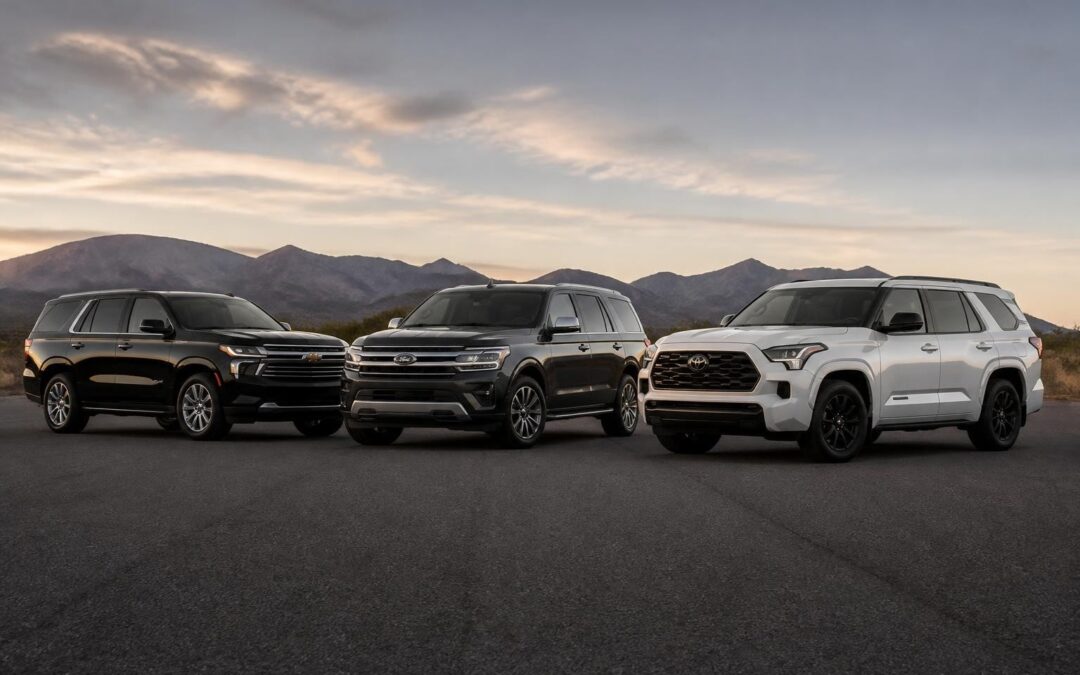
When planning a family vacation or group trip, finding the right vehicle becomes a critical decision. A large SUV rental 8 passenger option delivers the space, comfort, and versatility needed to transport everyone and their luggage without compromise. These vehicles combine powerful engines, advanced safety features, and flexible seating configurations that make road trips memorable for all the right reasons. Whether you're exploring coastal highways, navigating city streets, or venturing into remote areas, choosing the right eight-passenger SUV rental ensures everyone travels together comfortably.
Understanding Large SUV Rental Categories
Rental agencies classify vehicles using different naming conventions, which can create confusion when booking. The "large SUV" or "full-size SUV" category typically includes vehicles with three rows of seating and capacity for seven to eight passengers. Standard models in this class include the Chevrolet Suburban, Ford Expedition, GMC Yukon XL, and Toyota Sequoia.
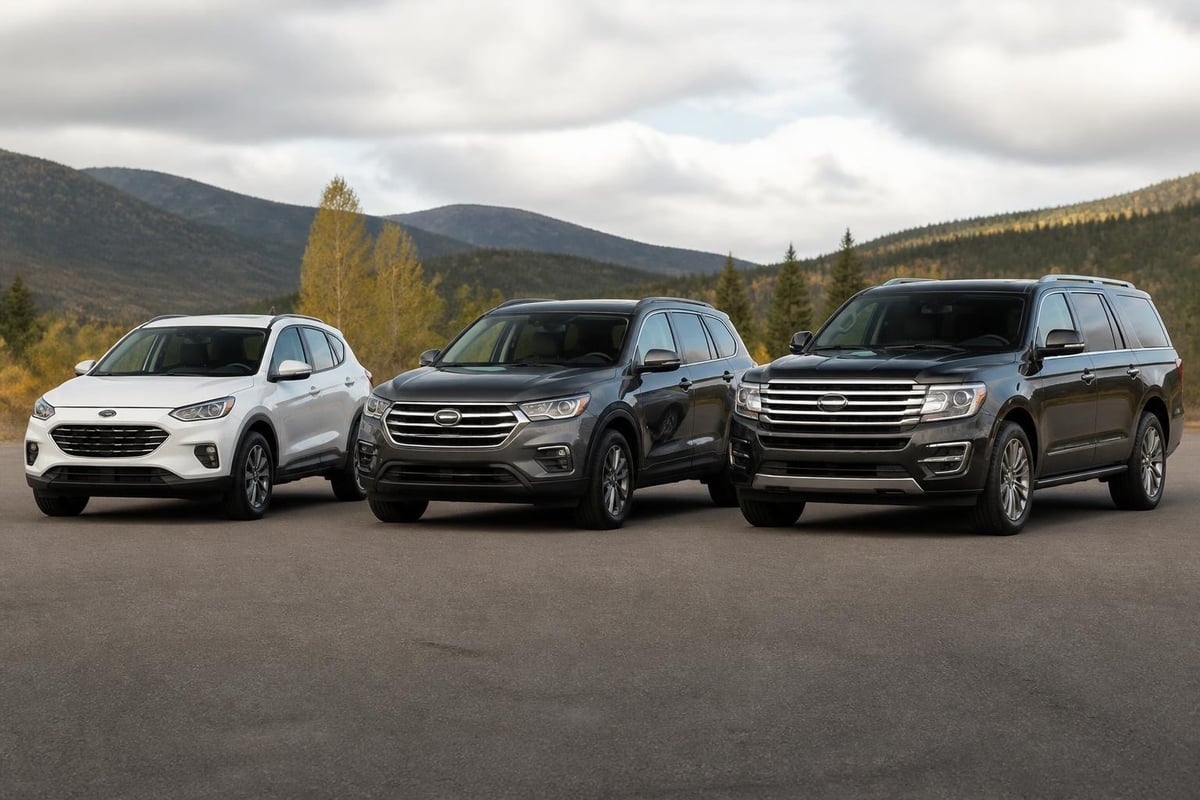
Vehicle class definitions vary between rental companies, but most follow similar guidelines. A large SUV rental 8 passenger typically features a wheelbase exceeding 120 inches and overall length beyond 200 inches. These dimensions translate directly into interior space, with third-row seating that can actually accommodate adults rather than just children.
Key Features That Define Eight-Passenger SUVs
The distinguishing characteristics of true eight-passenger SUVs go beyond simple seat count:
- Independent rear suspension for improved ride quality on long journeys
- Minimum 20 cubic feet of cargo space behind the third row
- Individual climate controls for second and third-row passengers
- Power-folding third-row seats for easy configuration changes
- Advanced driver-assistance systems including blind-spot monitoring and rear cross-traffic alert
Many models now offer captain's chairs in the second row as an alternative to bench seating. While this reduces capacity to seven passengers, it provides easier third-row access and enhanced comfort for middle-row occupants. When booking a large SUV rental 8 passenger vehicle, confirm the seating configuration matches your group's needs.
Popular Models in the Eight-Passenger Category
The rental market offers several proven options when searching for a large SUV rental 8 passenger solution. Each model brings unique strengths to different travel scenarios.
| Model | Passenger Capacity | Cargo Space (Behind 3rd Row) | Towing Capacity | Fuel Economy (Combined) |
|---|---|---|---|---|
| Chevrolet Suburban | 8-9 | 41.5 cu ft | 8,300 lbs | 18 mpg |
| Ford Expedition Max | 8 | 36.0 cu ft | 9,300 lbs | 19 mpg |
| GMC Yukon XL | 8-9 | 41.5 cu ft | 8,400 lbs | 18 mpg |
| Toyota Sequoia | 8 | 22.3 cu ft | 9,520 lbs | 19 mpg |
| Nissan Armada | 8 | 16.5 cu ft | 8,500 lbs | 17 mpg |
The Chevrolet Suburban remains the benchmark for maximum interior space, offering unmatched cargo capacity even with all seats occupied. Its extended wheelbase creates a remarkably spacious third row where adults can sit comfortably for hours. The platform-mate GMC Yukon XL delivers virtually identical capability with slightly different styling and trim options.
Ford's Expedition Max competes directly with these GM twins, offering comparable space and a powerful twin-turbo V6 engine. The 2025 models that earned Top Safety Pick ratings demonstrate Ford's commitment to passenger protection, making it an excellent choice for family-focused renters.
Evaluating Reliability and Satisfaction
Independent testing reveals important performance differences between models. Consumer Reports reliability data shows that Toyota Sequoia typically ranks highest for long-term dependability, though its smaller cargo area behind the third row creates tradeoffs. The hybrid powertrain in recent Sequoia models delivers improved fuel economy without sacrificing towing capability.
Domestic manufacturers have closed the reliability gap significantly in recent years. Current-generation Suburban and Expedition models score well in owner satisfaction surveys, particularly regarding ride comfort and technology features. When evaluating a large SUV rental 8 passenger option, consider how rental companies maintain their fleets, as this impacts the condition of the specific vehicle you'll receive.
Determining Your Space Requirements
Accurately assessing your group's needs prevents uncomfortable compromises during your trip. Eight-passenger capacity sounds generous, but the reality depends on who's traveling and what you're bringing.
A family of six adults with luggage for a week-long vacation will push the limits of most eight-passenger SUVs. While the vehicles technically seat eight, using all positions simultaneously leaves minimal cargo space. Calculate your needs using these guidelines:
- Count full-size passengers (anyone over 5 feet tall as an adult)
- Inventory luggage pieces including carry-on size bags, full suitcases, and specialty items
- Add recreational equipment such as strollers, sports gear, or beach accessories
- Include shopping allowance for items purchased during the trip
- Reserve emergency space for unexpected additions
Cargo Capacity Reality Check
The cargo specifications advertise space behind the third row, but practical usability differs from raw cubic footage. A Suburban's 41.5 cubic feet accommodates roughly eight carry-on suitcases or four large checked bags with room for smaller items. However, oddly shaped items like coolers or sports equipment consume disproportionate space.
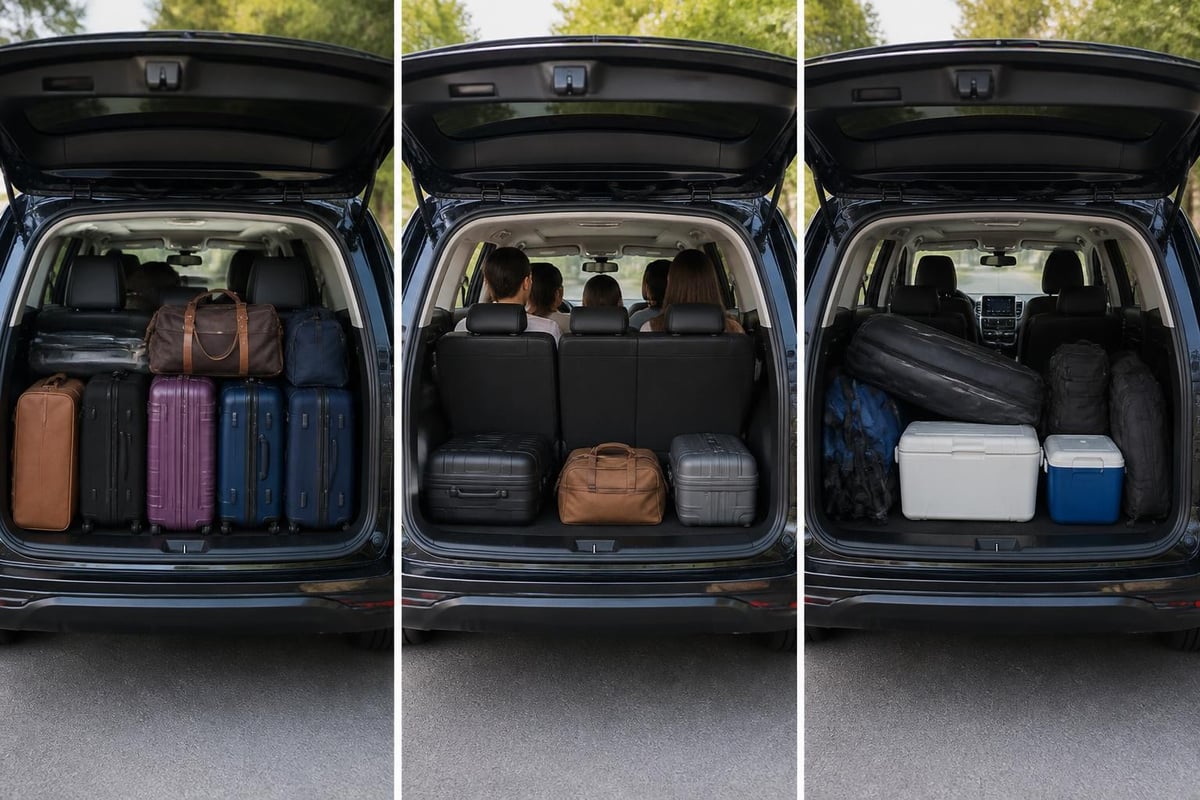
Consider folding the third row for six-passenger travel when carrying substantial luggage. This configuration increases cargo capacity to 80-120 cubic feet depending on the model, transforming the vehicle into a practical hauler. For groups genuinely needing eight seats plus significant cargo, adding a roof cargo carrier or small trailer becomes necessary.
Pricing Structures and Booking Strategies
Large SUV rental 8 passenger rates vary dramatically based on location, season, and booking timing. Daily rates typically range from $80 to $200 in standard markets, with premium tourist destinations commanding significantly higher prices during peak seasons.
Understanding rental pricing structure helps identify the best value:
Base Rate Components:
- Daily or weekly rental fee
- Mandatory taxes and facility charges
- Airport concession fees (typically 10-15% surcharge)
- Vehicle license fees (varies by state)
Optional Add-Ons:
- Supplemental insurance coverage
- GPS navigation systems
- Child safety seats
- Additional driver fees
- Fuel service options
Booking directly through rental company websites often provides better rates than third-party aggregators, though comparing both options reveals occasional exceptions. Major rental companies offer loyalty programs that waive additional driver fees and provide upgrade opportunities, potentially moving you into a large SUV rental 8 passenger at midsize SUV pricing.
Timing Your Reservation
Rental pricing uses dynamic algorithms similar to airline tickets. Rates fluctuate based on local demand, fleet availability, and competitor pricing. Following these practices typically secures better rates:
- Book 2-4 weeks in advance for domestic trips (3-6 months for international)
- Avoid airport locations when practical, as off-airport facilities charge lower fees
- Compare weekly vs. daily rates, as week-long rentals often cost less than five daily rates
- Monitor prices after booking and rebook if rates drop (most companies allow free cancellation)
- Rent Tuesday through Thursday to avoid weekend surcharges when possible
Insurance Considerations for Large Vehicles
The substantial value of eight-passenger SUVs makes insurance coverage particularly important. These vehicles often cost $60,000 to $80,000 new, creating significant financial exposure in accident scenarios. Understanding car rental insurance options helps make informed decisions about coverage.
Rental companies offer several insurance products, each addressing different risks:
| Coverage Type | What It Covers | Typical Daily Cost | Alternative Coverage |
|---|---|---|---|
| Collision Damage Waiver (CDW) | Vehicle damage, theft | $25-$40 | Personal auto policy, credit card |
| Liability Insurance Supplement (LIS) | Injuries to others, property damage | $15-$25 | Personal auto liability extends |
| Personal Accident Insurance (PAI) | Medical costs for renters | $5-$10 | Health insurance, travel insurance |
| Personal Effects Coverage (PEC) | Stolen belongings | $3-$7 | Homeowners/renters insurance |
Your personal automobile insurance policy typically extends to rental vehicles, including collision and liability coverage. However, confirm this before declining the rental company's coverage, as some policies exclude commercial rentals or limit coverage outside your home state. Credit cards frequently provide secondary collision coverage, meaning they pay after your personal insurance.
For those exploring Pattaya and surrounding areas, securing proper insurance becomes even more critical. Unfamiliar roads, different traffic patterns, and varying driving customs increase accident risk. First-class insurance coverage eliminates financial worries, allowing you to focus on enjoying your journey rather than calculating potential liability.
International Rental Insurance Requirements
When renting large SUVs internationally, insurance requirements often differ from domestic policies. Many countries mandate minimum liability coverage levels that exceed U.S. standards. Personal auto insurance rarely extends internationally, and credit card coverage frequently excludes rentals outside North America.
Purchasing the rental company's full coverage package typically makes sense for international large SUV rental 8 passenger bookings. The daily cost, while seemingly high, pales compared to potential out-of-pocket expenses from an accident in a foreign country. Verify coverage includes theft protection, as some regions experience higher vehicle theft rates.
Fuel Economy and Environmental Impact
Large eight-passenger SUVs consume significantly more fuel than smaller vehicles, impacting both trip costs and environmental footprint. EPA automotive trends data shows that full-size SUVs average 17-19 MPG combined, compared to 25-28 MPG for midsize crossovers.
A week-long road trip covering 1,000 miles costs approximately $180-$200 in fuel at current national average gas prices, assuming 18 MPG combined. The same trip in a midsize crossover costs roughly $130-$140, creating a $50-$60 difference. This gap widens considerably for longer journeys or when fuel prices spike.
Calculating Your Fuel Budget
Estimate fuel costs accurately using this approach:
- Determine total expected mileage
- Divide by the vehicle's combined MPG rating
- Multiply by current local fuel prices
- Add 15% buffer for city driving, idling, and detours
Hybrid versions of some eight-passenger SUVs improve efficiency by 20-30%, though rental availability remains limited. The Toyota Sequoia hybrid delivers approximately 22 MPG combined, reducing fuel costs noticeably on longer trips. However, rental premiums for hybrid models sometimes exceed the fuel savings, requiring calculation for your specific itinerary.
Safety Features and Family Considerations
Modern large SUV rental 8 passenger options include advanced safety technologies that significantly reduce accident risks. The safest three-row SUVs incorporate multiple layers of protection through both passive and active systems.
Standard safety equipment now includes:
- Automatic emergency braking with pedestrian detection
- Lane departure warning and lane-keeping assist
- Blind-spot monitoring with rear cross-traffic alert
- Adaptive cruise control for highway driving
- Surround-view camera systems for parking and maneuvering

Third-row passenger safety deserves special attention. Rear-seat passengers face increased injury risk in rear-end collisions, particularly in vehicles with minimal rear crumple zones. Look for models with standard curtain airbags extending to the third row and robust rear-end crash protection structures.
Child Safety Seat Accommodation
Families traveling with young children need vehicles that properly accommodate multiple car seats. Large SUVs excel in this area, with second-row bench seating capable of fitting three car seats across when using the right models. The LATCH system (Lower Anchors and Tethers for Children) provides standardized attachment points in the second row, with some vehicles offering third-row LATCH positions as well.
When booking a large SUV rental 8 passenger vehicle for families, request information about LATCH positions and second-row seating configuration. Captain's chairs eliminate the middle LATCH position but provide easier third-row access, which matters when installing rear-facing infant seats that block the second-row aisle.
Driving Dynamics and Handling Characteristics
Large eight-passenger SUVs require different driving techniques compared to sedans or smaller crossovers. The higher center of gravity, extended wheelbase, and substantial weight create unique handling characteristics that drivers must respect.
Parking and Maneuvering Challenges
Full-size SUVs typically measure 225 inches in length, exceeding compact parking space dimensions in many urban areas. The turning radius ranges from 39 to 42 feet, limiting maneuverability in tight parking structures and narrow streets. Plan additional time for parking and consider these strategies:
- Use valet services when available in congested areas
- Park in perimeter spots at shopping centers and attractions
- Avoid compact car spaces marked in parking garages
- Utilize rear-view cameras for every backing maneuver
- Allow extra following distance due to increased braking distances
The substantial weight of large SUVs, typically 5,500 to 6,000 pounds when fully loaded, extends stopping distances compared to lighter vehicles. Maintain greater following distances and begin braking earlier, especially when carrying a full passenger load plus cargo.
Seasonal Considerations and Weather Performance
A large SUV rental 8 passenger choice makes particular sense during winter months or adverse weather conditions. Most models offer available four-wheel drive or all-wheel drive systems that improve traction on slippery surfaces. The substantial weight also benefits stability in strong crosswinds and heavy rain.
Summer travel presents different advantages. Air conditioning systems in eight-passenger SUVs typically feature independent climate controls for all three rows, ensuring comfortable temperatures throughout the cabin even on scorching days. The elevated seating position provides better visibility in heavy traffic and improves sightlines at crowded attractions.
Popular Road Trip Destinations
Planning family road trips requires careful vehicle selection based on destination characteristics. Large SUVs excel for:
- National park tours with unpaved access roads and distant facilities
- Beach vacations requiring hauling chairs, umbrellas, coolers, and sports equipment
- Ski trips where four-wheel drive and cargo capacity matter
- Extended family reunions involving multiple stops and varied passenger counts
- Moving college students between dormitories or apartments
The flexibility of folding rear seats allows configuration changes throughout the trip. Transport eight passengers to a destination, then fold the third row to accommodate luggage and purchases for the return journey.
Booking Through Different Rental Channels
Multiple booking channels serve the large SUV rental 8 passenger market, each with distinct advantages and limitations. Direct rental company websites offer the most transparent pricing and easiest modification processes. Third-party aggregators sometimes reveal lower rates through opaque booking or prepaid reservations, though these typically impose strict cancellation policies.
Corporate discount programs through employers or professional associations frequently provide 10-25% savings on base rates. AAA membership, Costco Travel, and similar programs negotiate bulk discounts that individual renters can access. Military personnel and government employees often qualify for specialized rates that include waived additional driver fees and young renter surcharges.
Confirming Vehicle Availability
Rental confirmation numbers guarantee a vehicle in the class booked, but not a specific make or model. "Large SUV" reservations might fulfill with any eight-passenger vehicle in the company's fleet. Those requiring particular features should call ahead to verify availability, though even advance confirmation doesn't create binding commitments from rental companies.
Peak demand periods, particularly summer weekends and major holidays, frequently result in large SUVs being unavailable despite confirmed reservations. Arrive during business hours when possible, as this improves options if your requested class is unavailable. Late-night arrivals often face limited fleet selection, increasing the likelihood of receiving a different vehicle class or waiting for returns.
Alternative Transportation Solutions
While large SUV rental 8 passenger options suit many scenarios, alternative solutions sometimes provide better value or functionality. Two smaller vehicles might cost less than a single large SUV while providing greater flexibility for group activities. This approach allows the party to split up for different activities without stranding anyone.
Minivans offer comparable passenger capacity with easier entry and exit, plus superior cargo space in most configurations. The lower step-in height benefits elderly passengers and young children. However, minivans lack the four-wheel-drive capability and towing capacity that make large SUVs versatile.
For groups primarily needing transportation between airports and hotels, private shuttle services or rideshare options might prove more economical. Calculate total driving costs, including rental fees, insurance, fuel, and parking, before committing to a week-long large SUV rental 8 passenger booking.
Maximizing Comfort on Extended Journeys
Long-distance travel in any vehicle becomes more pleasant with proper preparation. Large SUVs provide the foundation for comfortable journeys, but driver attention to details enhances the experience:
Before Departure:
- Adjust all seating positions for optimal legroom distribution
- Program climate controls for each zone's preferences
- Configure entertainment systems and pair mobile devices
- Position cargo to maintain clear sight lines through all mirrors
- Confirm all passengers understand seatbelt and safety features
During Travel:
- Schedule breaks every 2-3 hours for stretching and restroom stops
- Rotate drivers if multiple qualified people are available
- Maintain moderate speeds for optimal fuel economy
- Use cruise control on highways to reduce driver fatigue
- Monitor tire pressure, especially when carrying maximum loads
The spacious cabins in quality large SUVs allow passengers to remain comfortable for 6-8 hour driving days when properly configured. Third-row passengers should rotate to second-row positions periodically, as even the best third rows become less comfortable over extended periods.
Selecting the right large SUV rental 8 passenger vehicle requires balancing capacity, comfort, cost, and capability against your specific travel needs. By understanding the available models, insurance options, and booking strategies, you'll secure a vehicle that enhances your journey rather than complicating it. Whether you're planning a family vacation or coordinating group transportation, SPS Car Hire offers competitive rates with full first-class insurance coverage and convenient free delivery throughout Pattaya, ensuring your rental experience starts and ends smoothly.
 -
- -
- -
- -
- -
- -
- -
-