

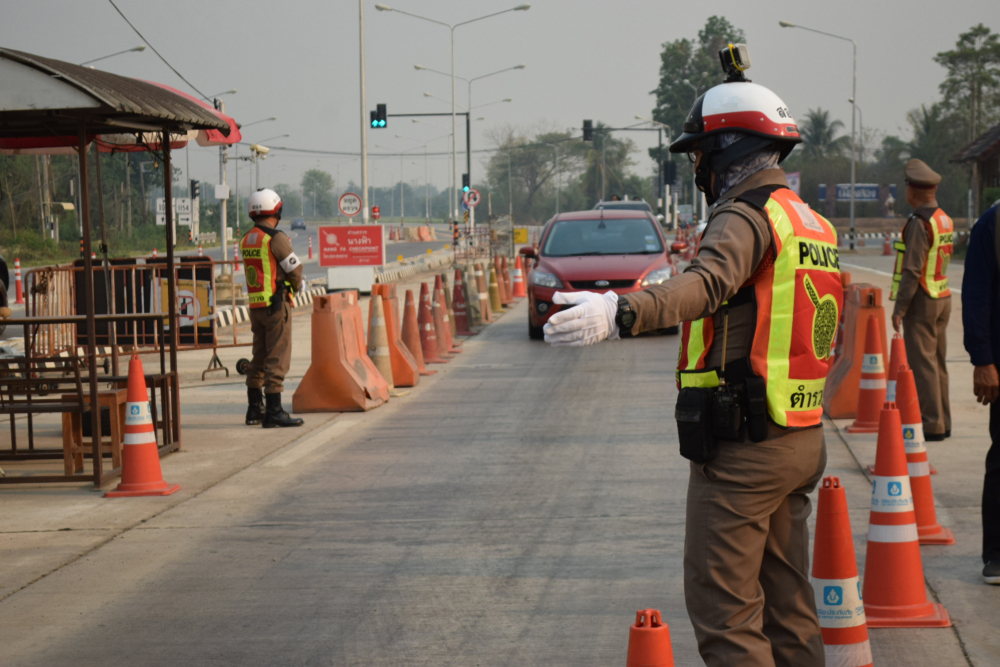
Driving in Thailand can be tricky, especially with Thai Police Checkpoints. These checkpoints are common and can happen anytime. This guide will show you how to handle them easily when in a rental car.
Keep reading for great tips.
Understanding Thai Police Checkpoints
Understanding Thai Police Checkpoints can help you navigate the roads confidently. Know why they are set up and which documents you should carry with you for a smooth journey through Thailand’s roads.
Common reasons for checkpoints
Police checkpoints in Thailand serve multiple purposes. They help in enforcing road laws, checking for valid driving licenses, and ensuring vehicles’ registration is up to date. Officers also look out for illegal drugs or evidence of drink driving.
In tourist areas, these stops become more frequent due to the higher risk of accidents and crime.
Checkpoints are there for your safety and to enforce legal requirements.
Another reason is to monitor vehicle conditions, making sure they meet safety standards. Traffic control during special events or holidays is common too, aiming to reduce congestion and accidents on busy roads.
Police might set up checkpoints near borders as well, preventing smuggling and checking documents of foreigners driving in Thailand.
Documents you need to carry
Understanding why checkpoints are there leads us to what we need at these stops. Having the right documents makes the process smoother for you and the Thai police. Here’s what you should always have:
- Passport with a valid visa – Your passport is your main form of identification in Thailand. Make sure your visa is up to date.
- Driving licence – If you’re from another country, your national driving licence might work. But, having an International Driving Permit (IDP) is best.
- Rental agreement – This shows that you have permission to use the car. The rental company’s name and contact details are important if police need to verify.
- Insurance documents – Always carry proof of insurance for the rental car. It should cover damage, theft, and third-party liability.
- Vehicle registration document – Sometimes called a ‘green book’ in Thailand, it proves the vehicle is registered properly.
- Contact information – Have a local contact number ready. This could be for your embassy or the rental agency, in case you need help during the stop.
Carrying these documents will help avoid fines or delays at Thai police checkpoints while driving a rental car.
How to Interact with Police at Checkpoints
When interacting with the police at checkpoints, maintain a calm and respectful demeanor. Respond to their questions and requests promptly to ensure clear communication.
Stay calm and respectful
Keep your cool and speak politely at Thai police checkpoints. This shows respect and helps the interaction go smoothly. If you get upset, it might make things harder for you. It’s important to listen carefully to what the police ask of you.
A calm response often leads to a simpler process.
Answer questions clearly but don’t offer extra information that wasn’t asked for. Showing confidence without being arrogant can leave a good impression on officers, making them more likely to assist you swiftly through the checkpoint.
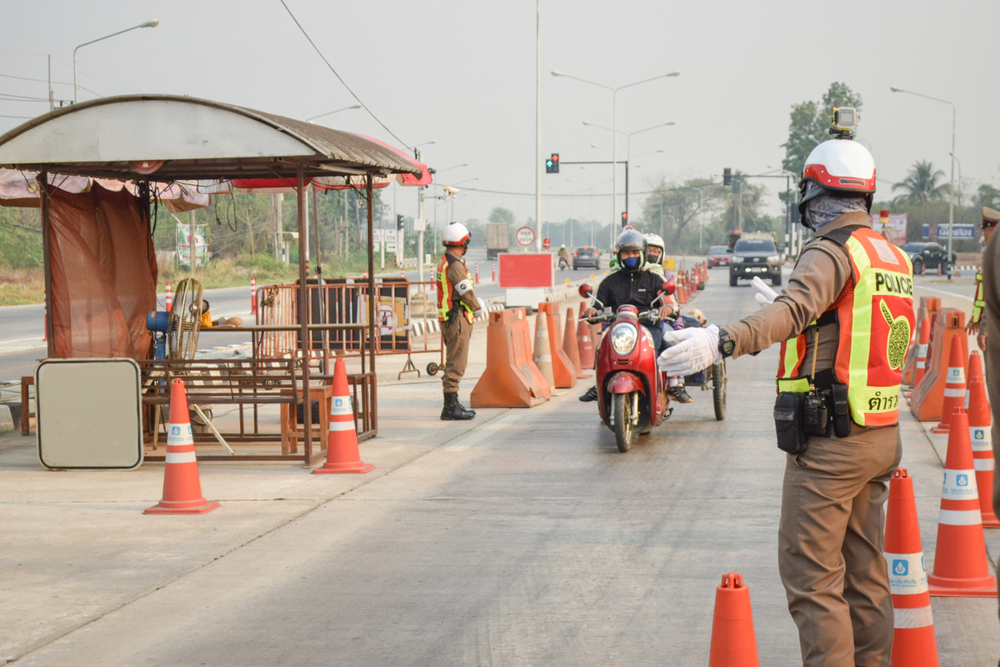
Responding to questions and requests
Stay calm and respectful if police ask you questions. Show your documents when they ask for them. This includes your passport, driver’s license from your home country, and the rental car papers.
If they ask about where you’re going or why, answer them simply. You don’t need to give a lot of details.
Police might also check if you know local traffic laws. Be sure you do before driving in Thailand. They can fine you on the spot for breaking these laws. Always have enough cash to pay fines if needed.
Tips for Driving a Rental Car Through Checkpoints
Make sure your rental documents are in order. Familiarise yourself with the local traffic laws.
Ensure your rental documents are in order
Keep all your rental car papers ready. This includes the agreement, insurance proof, and any form you signed when picking up the car. Thai police at checkpoints will ask for these to check if the vehicle is legally rented.
If you miss any document, you may face delays or fines.
Also, it’s wise to have a copy of these documents on your phone. Sometimes, papers get lost during travel. Digital copies can save you from trouble at checkpoints.
Know the local traffic laws
After sorting out your rental documents, it’s crucial to understand Thai road laws. Thai traffic rules may differ from what you’re used to. For example, Thailand drives on the left side of the road.
Wearing seat belts is a must for everyone in the car, not just the driver. The legal limit for blood alcohol concentration is 0.05%, lower than in many countries.
Motorbike riders need helmets at all times—no exceptions. Traffic lights and signs follow international standards, but be alert; ignoring them can lead to hefty fines or worse if it results in an accident.
Knowing these laws will help you navigate Thai roads safely and keep interactions with police straightforward during checkpoints.
Thai Police Checkpoints
Handling Thai police checkpoints while driving a rental car needs some know-how. Make sure you have all your documents, like license and rental papers, ready. Stay calm and respectful during checks.
Knowing local traffic laws helps avoid fines or issues with police. It’s all part of staying safe on the road in Thailand and enjoying your trip without trouble.
When you need to rent a car for your Thailand holiday, choosing SPS Car Hire is a great choice. Please click on the button below for more details.
 -
- -
- -
- -
- -
- -
- -
-