

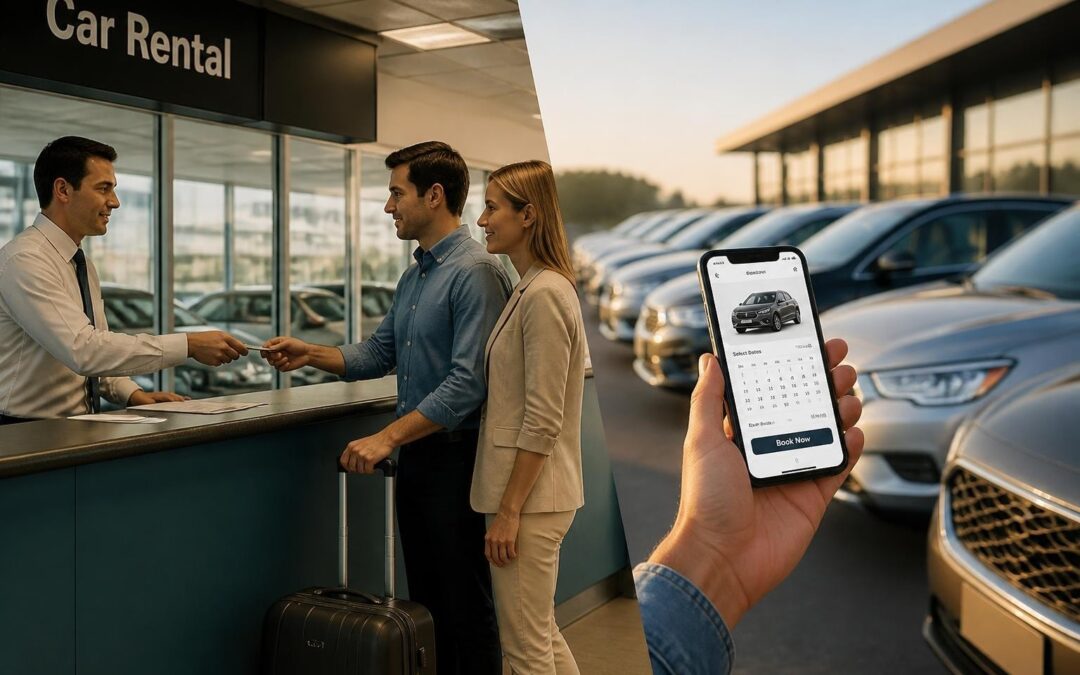
Hertz rental cars have been a cornerstone of global travel for over a century, serving millions of customers across airports, city centers, and vacation destinations. As one of the three largest car rental companies worldwide, Hertz offers an extensive fleet ranging from economy sedans to luxury vehicles and electric cars. Whether you're planning a business trip, family vacation, or need temporary transportation, understanding what Hertz provides and how it compares to alternatives can help you make informed rental decisions that balance cost, convenience, and vehicle quality.
The Hertz Fleet: What Vehicles Are Available
Hertz rental cars span multiple categories designed to meet diverse customer needs. The company maintains one of the industry's largest inventories, with approximately 550,000 vehicles worldwide as of 2026. This massive fleet ensures availability across hundreds of locations while offering choices that range from budget-friendly options to premium experiences.
Economy and Compact Options
The foundation of Hertz's fleet consists of economy and compact vehicles perfect for solo travelers and couples. These cars typically include models like the Nissan Versa, Toyota Corolla, and Chevrolet Spark. They deliver excellent fuel efficiency, easy parking in urban environments, and lower daily rates that appeal to cost-conscious renters.
Key benefits of economy Hertz rental cars include:
- Daily rates starting around $40-60 in most U.S. markets
- Fuel economy averaging 30-40 MPG
- Adequate trunk space for 1-2 suitcases
- Lower insurance and add-on costs
Midsize and Full-Size Sedans
For business travelers and families needing more space, Hertz offers midsize sedans like the Nissan Altima and Toyota Camry, plus full-size options such as the Chevrolet Impala. These vehicles provide comfortable seating for four to five adults with generous trunk capacity for luggage.
The midsize category represents the sweet spot for many renters. You gain significant comfort improvements over compact cars without the fuel consumption and parking challenges of larger SUVs. Full-size sedans excel for highway driving and multi-day road trips where passenger comfort becomes a priority.

SUVs and Trucks
Hertz rental cars include an extensive SUV lineup addressing everything from compact crossovers to full-size three-row vehicles. The Jeep Compass, Ford Escape, and Chevrolet Tahoe represent different size tiers within this popular category. For customers needing cargo capacity or towing capability, Hertz also stocks pickup trucks like the Ford F-150.
| Vehicle Type | Passenger Capacity | Luggage Capacity | Typical Daily Rate |
|---|---|---|---|
| Compact SUV | 5 | 3-4 large bags | $65-85 |
| Midsize SUV | 5-7 | 4-5 large bags | $80-110 |
| Full-Size SUV | 7-8 | 6-7 large bags | $110-150 |
| Pickup Truck | 5-6 | Bed capacity | $90-130 |
SUV demand has grown substantially over the past decade. Hertz has responded by allocating more inventory to this segment, though availability can be limited during peak travel seasons. Booking several weeks in advance improves your chances of securing the specific SUV model you prefer.
Premium and Specialty Fleet Options
Beyond standard categories, Hertz rental cars include premium and specialty segments that cater to specific customer preferences and special occasions.
Luxury Vehicle Collection
The Hertz Dream Cars and Prestige Collection feature high-end vehicles from manufacturers like BMW, Mercedes-Benz, Tesla, and Porsche. These premium Hertz rental cars typically appear at major airport locations and select urban markets. Daily rates range from $150 to $500 depending on the specific model and location.
Business executives often choose luxury rentals to maintain their professional image during client meetings. Vacation travelers may splurge on a premium vehicle for special celebrations like anniversaries or milestone birthdays. The experience differs dramatically from economy options, with advanced technology, superior handling, and elevated interior materials.
Electric Vehicle Initiative
Hertz made headlines in 2021 with an ambitious plan to electrify its fleet, ordering 100,000 Tesla Model 3 vehicles. According to the Hertz 2024 Sustainability & Impact Report, the company continues expanding its EV offerings despite adjusting initial timelines due to market conditions.
Current EV options from Hertz include:
- Tesla Model 3 (most widely available)
- Tesla Model Y (select locations)
- Chevrolet Bolt EV/EUV
- Polestar 2 (limited markets)
Electric vehicle rentals come with unique considerations. You'll need to plan charging stops on longer trips, though most EVs now offer 250+ miles of range. Daily rates for electric Hertz rental cars generally align with premium sedans, while fuel savings can offset the higher rental cost if you're driving significant distances.

Booking Process and Rate Structures
Understanding how to book Hertz rental cars effectively can save hundreds of dollars on a single reservation. The company uses dynamic pricing that fluctuates based on demand, vehicle availability, location, and booking timing.
Direct Booking vs. Third-Party Sites
Renting directly through Hertz's website or app provides the most straightforward experience. You'll see the full fleet available at your chosen location and can apply loyalty program benefits. However, third-party aggregators like Kayak, Priceline, and Costco Travel sometimes offer lower rates through bulk purchasing agreements.
The tradeoff involves flexibility. Third-party bookings may have stricter cancellation policies or prepayment requirements. Direct Hertz reservations typically allow free cancellation until 24-48 hours before pickup, giving you more flexibility if travel plans change.
Membership Programs and Discounts
Hertz Gold Plus Rewards represents the company's primary loyalty program. Members earn points on rentals that convert to free rental days. More importantly, Gold members bypass the counter at many locations, heading straight to their reserved vehicle.
Common discount sources include:
- AAA membership (typically 10-20% off)
- Corporate codes from employers
- Credit card partnerships (Amex, Chase, etc.)
- Costco Executive membership
- USAA military discounts
Stacking multiple discounts rarely works, as rental car systems typically apply only the best available rate. However, combining a promotional code with loyalty program benefits often succeeds. Always compare rates with and without various discount codes to confirm you're getting the optimal price.
Insurance and Protection Options
One of the most confusing aspects of renting Hertz rental cars involves the multiple insurance and protection products offered at checkout. These add-ons can double your daily rate if you're not careful, yet some provide valuable coverage.
Primary Coverage Options
Loss Damage Waiver (LDW) represents the most significant add-on, costing $15-40 per day depending on vehicle category. It waives your financial responsibility for damage or theft of the rental car. Without LDW, you could be liable for thousands of dollars in repair costs even for minor incidents.
Supplemental Liability Protection (SLP) increases your third-party liability coverage beyond state minimums. This proves valuable if you cause an accident injuring others or damaging their property.
| Protection Type | Daily Cost | What It Covers | Who Needs It |
|---|---|---|---|
| Loss Damage Waiver | $15-40 | Rental car damage/theft | Most renters without credit card coverage |
| Liability Protection | $10-18 | Third-party injury/damage | Renters without personal auto insurance |
| Personal Effects | $3-8 | Stolen belongings from car | Travelers with valuable items |
| Roadside Assistance | $5-10 | Towing, lockout, flat tire | Optional convenience |
Alternative Coverage Sources
Many credit cards provide rental car insurance as a cardholder benefit. Premium cards like Chase Sapphire Reserve and American Express Platinum offer primary coverage, meaning the card insurance responds first without involving your personal auto policy. Standard credit cards typically provide secondary coverage that applies after your personal insurance.
Your personal auto insurance may extend to rental cars, though coverage varies by policy. Contact your insurance agent before traveling to understand exactly what protection transfers to Hertz rental cars. Keep in mind that personal policies don't cover rentals in all countries, and some exclude specific vehicle types like trucks and luxury cars.
Location Network and Pickup Procedures
Hertz operates over 10,000 locations worldwide, including airports, downtown offices, and neighborhood branches. The pickup experience varies significantly based on location type and your membership status.
Airport Locations
Airport Hertz rental cars represent the majority of transactions. These facilities offer the widest vehicle selection and extended hours, typically opening as early as 5 AM and closing as late as midnight. However, airport locations also charge higher rates due to airport concession fees, which can add 10-30% to your total cost.
Upon arrival, follow signs to the rental car center. At major airports, this may require taking a shuttle bus to an off-airport facility. Gold Plus members can proceed directly to the Gold area, where a board displays your name and assigned vehicle number. Standard renters wait in line at the counter to complete paperwork and receive vehicle keys.
Off-Airport Alternatives
Neighborhood Hertz locations often provide lower rates without airport fees. These work well when you're staying in a specific area and don't need a car immediately upon arrival. Many hotels partner with nearby Hertz offices to offer courtesy shuttles for guest pickups.
The selection at neighborhood locations tends to be smaller, with perhaps 20-50 vehicles compared to hundreds at major airports. If you need a specific vehicle type, calling ahead to confirm availability proves worthwhile. These locations also maintain more limited hours, typically 8 AM to 6 PM on weekdays with reduced weekend schedules.

Hertz Corporate Evolution and Market Position
The company behind these rental services has experienced significant transformation in recent years. Understanding this context helps explain current operations and service levels.
Bankruptcy and Restructuring
The COVID-19 pandemic devastated rental car demand in 2020, with travel dropping by 70-80% virtually overnight. Hertz filed for Chapter 11 bankruptcy protection in May 2020, as analyzed in the Harvard Business Review case study on Hertz’s bankruptcy journey. The company emerged from bankruptcy in June 2021 with reduced debt and new ownership.
This restructuring period forced difficult decisions including selling large portions of the fleet and closing underperforming locations. However, the leaner operation that emerged proved more agile. Hertz invested heavily in technology, improving its mobile app and contactless rental process.
Current Strategic Direction
Since restructuring, Hertz has pursued several strategic initiatives visible to customers. The electric vehicle expansion represents the most publicized effort, though implementation has proven more complex than initial announcements suggested. According to recent Hertz press releases, the company continues optimizing its EV fleet size based on actual customer demand and total cost of ownership.
Key strategic priorities include:
- Expanding rideshare partnerships (Uber, Lyft)
- Enhancing mobile app functionality
- Investing in location modernization
- Improving customer service metrics
- Balancing fleet electrification with profitability
The company faces intense competition from Enterprise and Budget (owned by Avis), plus emerging threats from car-sharing services like Zipcar and peer-to-peer platforms such as Turo. Maintaining relevant service offerings while managing costs defines the ongoing challenge.
Comparing Hertz to Regional Alternatives
While Hertz rental cars serve customers globally, regional specialists often provide superior value and service in specific markets. This particularly applies to vacation destinations where local companies understand customer needs and operate with lower overhead.
Local Market Advantages
Regional car rental companies typically offer several benefits over large national chains. Lower facility costs mean savings can be passed to customers through reduced daily rates. Personal relationships with local repair shops ensure faster vehicle maintenance. Staff familiarity with the area enables better customer advice about driving conditions and attractions.
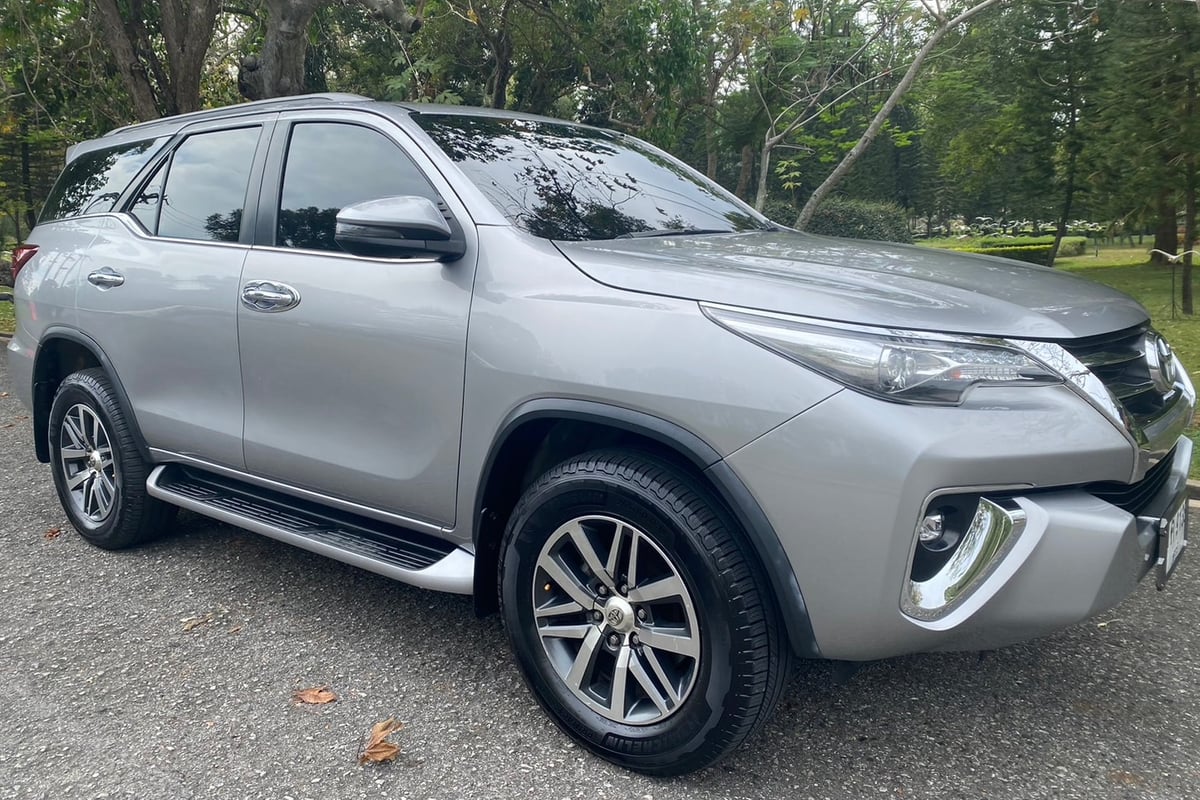
In markets like Pattaya, Thailand, specialized providers focus exclusively on serving tourists and expatriates. Car, truck and motorcycle rental in Pattaya area demonstrates this model, offering competitive pricing with first-class insurance and free delivery within the city. This localized approach creates convenience that large international chains struggle to match, especially for customers needing bikes or specific pickup locations.
When to Choose Global Brands
Despite regional advantages, Hertz rental cars excel in specific situations. If you're traveling to multiple cities on a single trip, national companies provide consistent service standards and simplified returns. Business travelers with corporate accounts benefit from consolidated billing and reporting. Loyalty program members earn and redeem points regardless of location.
International travel particularly favors established brands. Hertz operates in over 150 countries, making it possible to rent in the United States, drop off in Canada, or pick up in Europe with relative ease. Language barriers decrease when dealing with a familiar company, and customer service can assist with issues that arise abroad.
Practical Tips for Better Rental Experiences
Maximizing value from Hertz rental cars requires attention to details that casual renters often overlook. These practical strategies help avoid common problems and unnecessary expenses.
Vehicle Inspection and Documentation
Before leaving the lot, thoroughly inspect your Hertz rental car for existing damage. Use your smartphone to photograph all sides of the vehicle, including the roof and undercarriage if possible. Pay special attention to bumpers, wheels, and windshield. Document the fuel level shown on the gauge.
This documentation protects you from being charged for pre-existing damage. Rental companies process thousands of returns weekly, and damage attribution mistakes happen. Your timestamped photos provide irrefutable evidence of the vehicle's condition when you received it.
Fuel Policies and Return Procedures
Hertz typically requires you to return vehicles with the same fuel level as pickup. The alternative, prepaid fuel options, consistently deliver poor value. You'll pay premium prices per gallon and rarely use all the prepaid fuel, effectively giving the company free money.
Plan to refuel within five miles of return. Gas stations near airports charge premium prices, so filling up slightly further away saves a few dollars. Keep your fuel receipt as proof of refueling in case disputes arise about the return fuel level.
Mileage and Geographic Restrictions
Most domestic Hertz rental cars include unlimited mileage, but always verify this in your contract. International rentals and certain promotional rates may cap daily mileage at 100-200 miles, with per-mile charges for overages adding up quickly.
Geographic restrictions also apply to some rentals. Standard contracts may prohibit crossing international borders or traveling on unpaved roads. Violating these terms can void your insurance coverage, leaving you personally liable for any damage that occurs during unauthorized use.
Managing Common Rental Challenges
Even with careful planning, issues sometimes arise when renting vehicles. Knowing how to address common problems minimizes stress and financial impact.
Vehicle Unavailability
Despite confirming your reservation, you may arrive to find your specific vehicle category unavailable. Hertz rental cars operate on a category system rather than guaranteeing exact models. High demand periods sometimes exhaust inventory in popular categories.
Steps to take when your category is unavailable:
- Request a free upgrade to the next category
- Ask about availability at nearby Hertz locations
- Request a discount if accepting a smaller vehicle
- Document the situation for potential compensation claims
- Consider alternative transportation if timing is critical
Most rental agreements include language stating specific models aren't guaranteed, limiting your recourse. However, polite persistence often results in accommodations like discounted rates or loyalty program bonus points.
Accident or Breakdown Procedures
If you're involved in an accident while driving Hertz rental cars, immediately contact local police to file a report. Then call Hertz's 24/7 roadside assistance number listed on your rental agreement and key tag. Document the scene with photos and exchange information with other drivers.
For mechanical breakdowns, the roadside assistance team will arrange towing and a replacement vehicle if you're more than 50 miles from your rental location. Stay with the vehicle in a safe location until help arrives. Never arrange your own towing without Hertz approval, as unauthorized repairs may not be reimbursed.
Billing Disputes
Review your final invoice carefully before leaving the return lot. Unexpected charges for fuel, tolls, damage, or insurance you declined should be addressed immediately with the location manager. Resolving disputes proves far easier while you're still on-site than after you've departed.
For charges that appear after you've left, contact Hertz customer service within 30 days. Provide your rental agreement number and detailed explanation of the disputed charges. Include any supporting documentation like photos, receipts, or insurance declarations. Credit card dispute processes offer another avenue if direct resolution fails.
Future of Rental Car Services
The rental car industry continues evolving rapidly, with technology and changing consumer preferences driving transformation. Understanding emerging trends helps set appropriate expectations for Hertz rental cars and alternatives.
Technology Integration
Mobile apps now handle most aspects of the rental process. Hertz customers can reserve vehicles, modify bookings, check in for pickup, access digital keys, and process returns entirely through smartphones. This shift reduces counter wait times and empowers customers with greater control.
Connected car technology enables rental companies to track vehicle location, mileage, and mechanical issues in real-time. This data improves fleet management but raises privacy concerns for some renters. Future developments may include features like remote vehicle start, climate control adjustment, and automated payment processing.
Subscription and Flexible Models
Traditional daily and weekly rentals face competition from subscription services offering monthly vehicle access. These models appeal to customers who need cars regularly but don't want ownership responsibilities. Hertz and competitors are experimenting with various subscription tiers that include insurance, maintenance, and the ability to swap vehicles.
The line between rental, car-sharing, and ride-hailing continues blurring. Rental companies partner with Uber and Lyft to provide vehicles for gig economy drivers. This creates complex pricing structures where the same car might be available through multiple channels at different rates.
Choosing the right rental car provider depends on your specific travel needs, budget, and location. While Hertz rental cars offer extensive global coverage and fleet variety, regional specialists often deliver superior value in specific markets. For travelers visiting Pattaya who need reliable, affordable transportation with comprehensive insurance and convenient delivery, SPS Car Hire provides the local expertise and competitive pricing that make exploring Thailand's Eastern Seaboard effortless and economical.
 -
 -
 -
 -
 -
 -
 -