

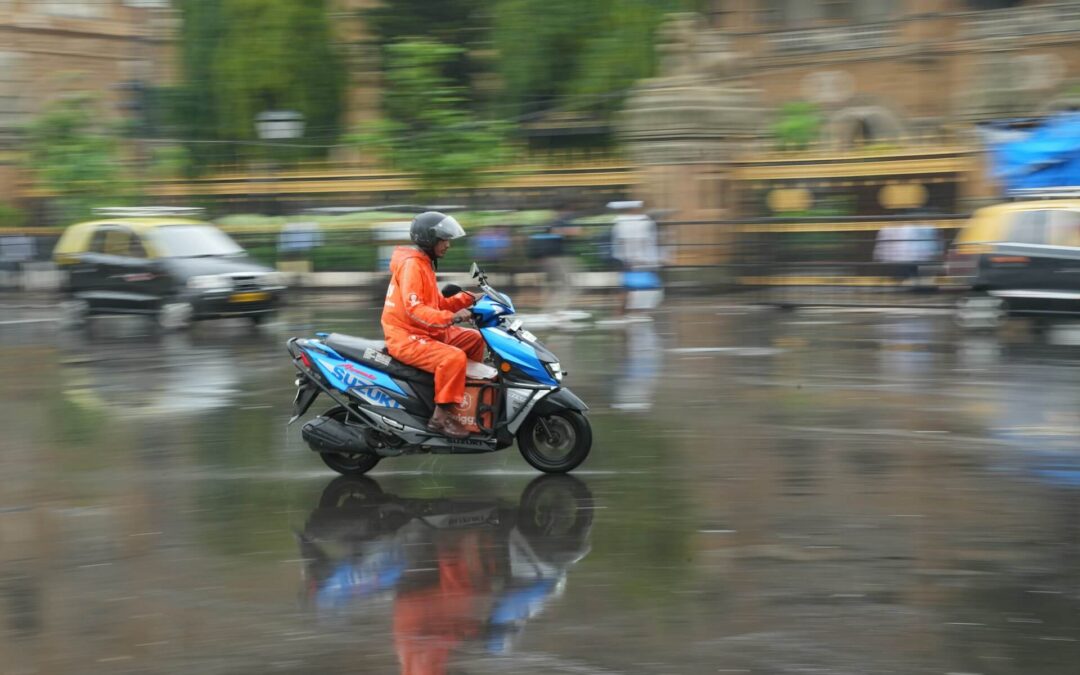
Driving Thailand Mopeds In Rainy Season can feel risky when roads turn slick and visibility drops. Rainy months run from June to September, and crashes rise by up to 25 percent. This guide gives clear tips on speed, braking, gear and hazard avoidance to keep you safe.
Read on.
Essential Tips for Riding Mopeds in Rainy Season
Riding mopeds in the rainy season can be tricky. You need to adjust your speed and braking to stay safe on wet roads… choosing the right gear is key for comfort and protection.
How should I adjust my speed and braking in the rain?
Wet roads cut traction fast. Slow down and think ahead.
- Reduce your speed well below normal limits, especially during the monsoon from June through September.
- Match your speed to visibility, not to traffic flow, since poor visibility makes you miss signals and hazards.
- Leave extra space behind the vehicle in front, so you can stop safely when roads are slick.
- Prefer the tracks of the car ahead for better grip, this gives more traction on wet tarmac.
- Avoid standing water, because hidden potholes and debris can throw you off balance and cause crashes.
- Use rear brake more than front brake, as the front is less effective on slippery surfaces and can cause a slide.
- Test brakes gently after rain starts, to feel reduced stopping power and adjust your following distance.
- Expect more crashes during the rainy months; motorcycle crashes rise by up to 25 percent in wet season.
- Know that Thai riders handle rain about six months a year, so watch local driving habits but ride to your skill.
- Check your helmet visor and lights before you go, poor visibility in Bangkok and across Thailand raises accident risk.
- Fit tyres with good tread and check brake function, tyres and brakes make the biggest difference on wet roads.
- Ride within your motorcycle licence limits; Thailand has no engine displacement distinction, so any licensed rider may use any bike, but skills matter.
What rain gear and helmet are best for riding in wet weather?
Choose practical rain kit and a safe helmet.
| Item | Why it matters | Key features | Rider tips |
| Waterproof jacket and trousers |
|
|
|
| Waterproof gloves and boots |
|
|
|
| Visor and anti-fog solutions |
|
|
|
| Helmet choice |
|
|
|
| Reflective accessories |
|
|
|
How can I identify and avoid hazards like puddles, oil spots, and slippery road markings?
Rain turns Bangkok streets slick during the monsoon. Riders face more crashes from June through September.
- Scan ahead for puddles, and slow down early, because standing water hides potholes and raised drains and causes loss of control.
- Ride in the car in front’s tracks when possible, as their rubber clears water and gives better traction on wet roads.
- Cut speed to match visibility, since poor sight in rain makes riders miss traffic signals and road hazards that raise accident risk.
- Avoid front brake use on wet surfaces, and rely more on gentle rear braking to reduce the chance of sliding on slippery paint and metal.
- Steer clear of oily patches, which look darker and shine, and stop in a safe spot to change line if you spot engine oil from other vehicles.
- Give extra space around motorbikes and cars, because Thai drivers handle wet weather about six months a year, but crashes still rise up to 25 percent in rainy months.
- Watch painted road markings and metal manholes, slow to a crawl if you must cross them, since these surfaces become very slick during the monsoon.
- Check mirrors and scan side streets for sudden spray, and do not ride through deep water, as it hides debris and can stall or damage scooters and mopeds.
- Use headlights and high-visibility gear, which help in heavy rain in Bangkok, and note that all licensed riders may ride any bike size, so wear proper kit no matter the engine.
Next, prepare your moped for rainy weather.
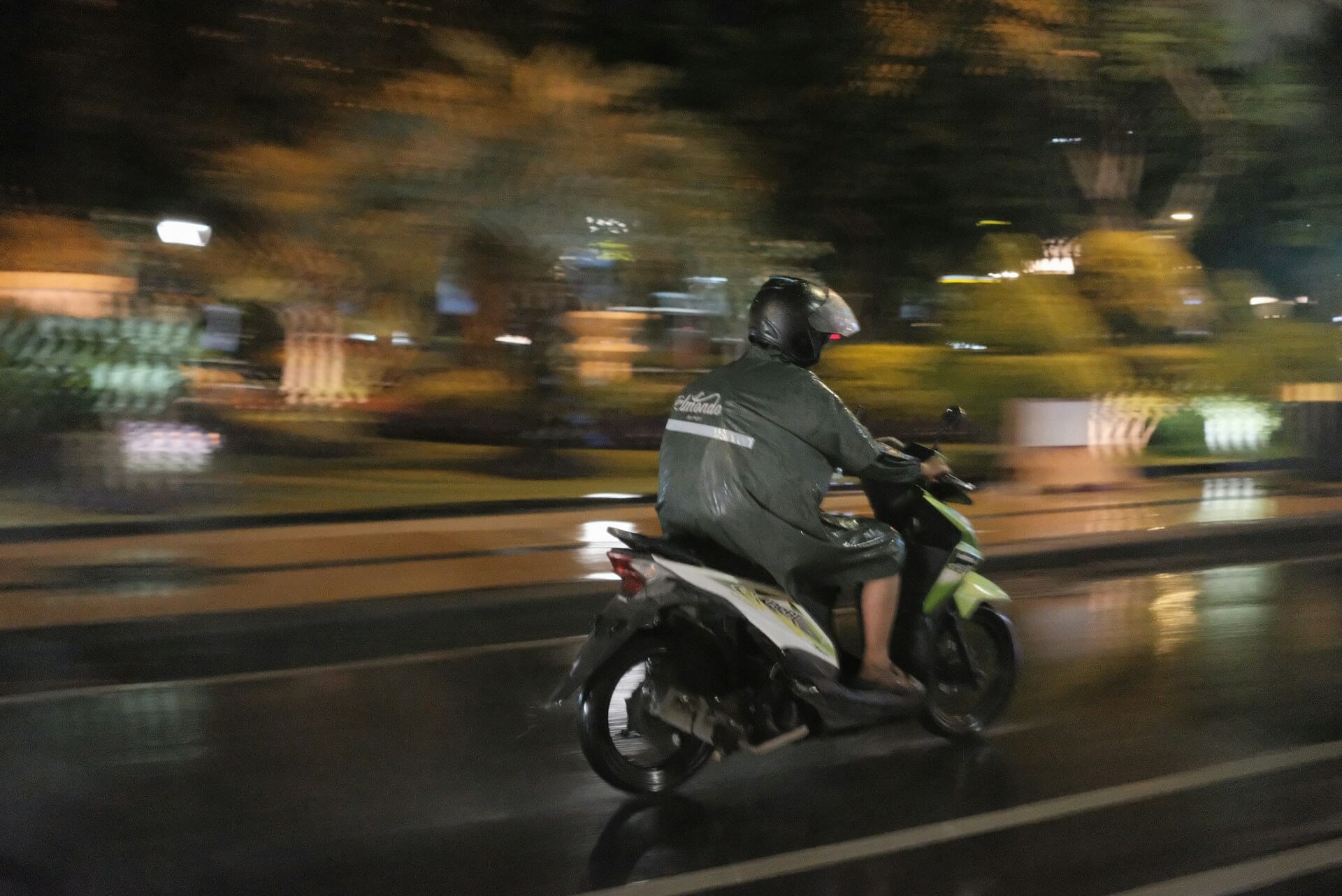
Preparing Your Moped for Rainy Weather
Check your moped before the rain hits. Look at the tyres, brakes, and lights—make sure everything works well. A good check keeps you safe on wet roads.
What checks should I perform on tyres, brakes, and lights before riding in the rain?
Rain falls hard in Thailand from June through September during the monsoon. Riders face wet roads, poor visibility and a higher crash risk.
- Inspect tyre tread depth and wear, aim for deep grooves to channel water and reduce sliding risk, note that motorcycle crashes in Thailand rise by up to 25 per cent during rainy months.
- Measure tyre pressure, low pressure hurts grip on wet roads, adjust pressure to the moped maker’s guide before you ride.
- Scan for cuts, bulges or foreign objects in the rubber, damaged tyres can lose control on puddles and oil spots.
- Avoid standing water on the road, hidden potholes and debris can throw you off balance and cause accidents.
- Ride in the tracks of the car in front when possible, those lines give better traction than fresh wet tarmac.
- Slow your speed to match visibility, Thai riders should not use normal dry-road speeds during heavy rain.
- Test both brakes at low speed in a safe spot, use gentle, steady pressure and avoid heavy front braking on slippery surfaces.
- Replace worn brake pads and top up brake fluid before the season, weak brakes reduce stopping power in the monsoon.
- Note that front brakes are less effective on wet roads, favour rear brake modulation to avoid skids.
- Check all lights work, switch on headlights in rain and confirm indicators and brake lights are bright for poor visibility.
- Clean lenses and aim beams, glare and misaligned lights hide traffic signals and road hazards in downpours.
- Fit high-visibility clothing and reflective strips, other road users need extra time to spot you in Bangkok traffic.
- Carry a clear visor or anti-fog insert, fogging lowers vision and causes missed signals during heavy showers.
- Bear in mind that any licensed rider in Thailand can operate any powered two-wheeler, so match your skill to the scooter you ride in wet conditions.
Next, learn how to stay safe during unexpected weather changes while riding.
How can I stay safe during unexpected weather changes while riding?
Stay alert for sudden weather changes. Visibility can drop quickly, making it hard to see road signs and hazards. Adjust your speed according to how well you can see ahead. Driving at normal speeds may not be safe on wet roads.
Avoid standing water and oil spots to keep control of your moped. Slipping or sliding increases risks during the rainy season, which lasts from June to September in Thailand. Motorcycle crashes rise by 25 percent during these months due to hidden obstacles that are hard to spot in the rain.
Keep a safe distance from other vehicles as they can also react unpredictably in bad weather. Riding in their tracks offers better traction, but stay cautious. Wearing good rain gear helps with visibility too; a bright helmet can make you more noticeable.
“Slowing down is key for safety when riding a moped in rain.”
Driving Thailand Mopeds in Rainy Season
Riding mopeds in Thailand’s rainy season can be an adventure. It brings unique challenges but also thrills. By following the right tips, you can stay safe and enjoy the ride. Slow down, check your gear, and keep your eyes on the road.
With these steps, you’ll navigate wet roads like a pro!
When you are thinking of Driving Thailand Mopeds in Rainy Season. SPS Car Hire Pattaya is the place to rent them. Please click on the button below for more details.
 -
- -
- -
- -
- -
- -
- -
-