


Many travellers feel unsure about driving between provinces in Thailand due to different road rules and rental policies. Thailand requires all drivers to have a valid licence, and international visitors often need an International Driving Permit.
This guide explains key traffic laws, required documents, car rental tips, and planning advice for a smooth trip. Keep reading if you want stress-free travel across Thai provinces.
Understanding Driving Rules in Thailand
Driving in Thailand means following the rules carefully. You must drive on the left side of the road and obey all traffic signs.
Driving on the left-hand side
Cars in Thailand travel on the left side of the road. This rule applies across all provinces and highways. Rental cars have steering wheels on the right side, just like vehicles in the United Kingdom or Australia.
Road signs follow this system, so watch for traffic from your right at junctions and roundabouts. Overtake only from the right lane. Get used to looking right first before pulling out onto a busy road.
In Thailand, always keep left and overtake from the right.
Key traffic regulations to follow
Driving in Thailand requires knowledge of local traffic rules. It’s essential for ensuring safety during your road trip across provinces.
- Always drive on the left-hand side of the road. This is crucial for those used to driving on the right.
- Wear seat belts at all times, both drivers and passengers. This law applies to everyone in the vehicle.
- Observe speed limits, which vary by area: 50-60 km/h in cities and up to 120 km/h on highways.
- Avoid using mobile phones while driving unless you have a hands-free system.
- Motorcycle riders must wear helmets, a rule that’s strictly enforced for both drivers and passengers.
- Drink-driving laws are strict. The legal blood alcohol limit is 0.05%. Penalties include fines and imprisonment.
- Stop completely at red lights. Cameras and police enforce this rule diligently.
- Give way to pedestrians at crossings. This shows respect and adherence to local driving etiquette.
Next, we’ll discuss the essential documents needed for driving between provinces.
Essential Documents for Driving Between Provinces
You need important documents for driving between provinces in Thailand. A valid driving licence is a must, and getting an International Driving Permit can help you avoid trouble on the road.
Valid driving licence requirements
A valid driving licence is required for anyone renting and driving a car in Thailand. Tourists can use either an International Driving Permit or a licence from their home country, but the document must be in English or Thai.
Rental companies often ask drivers to be at least 21 years old; some require drivers to have held their licence for one year or more.
Police checks on highways are common, especially between provinces. Always carry your original licence and passport while travelling by car. Expired licences are not accepted under any circumstances.
Strict traffic rules apply, so authorities may fine those with invalid documents.
International Driving Permit (IDP) guidelines
Besides your home country driving licence, many rental companies in Thailand require an International Driving Permit (IDP). The IDP must match the type of vehicle you plan to drive, such as a car or motorcycle.
Police officers may ask for this permit at checkpoints on highways and provincial roads.
IDPs “must accompany a valid national driving licence” according to the Department of Land Transport.
Apply for an IDP before leaving your own country. Most countries issue them quickly through their automobile associations. Expired permits are not accepted; make sure yours is current during your travel dates.
Failure to show both documents can result in fines or denied insurance claims after accidents during provincial road trips.
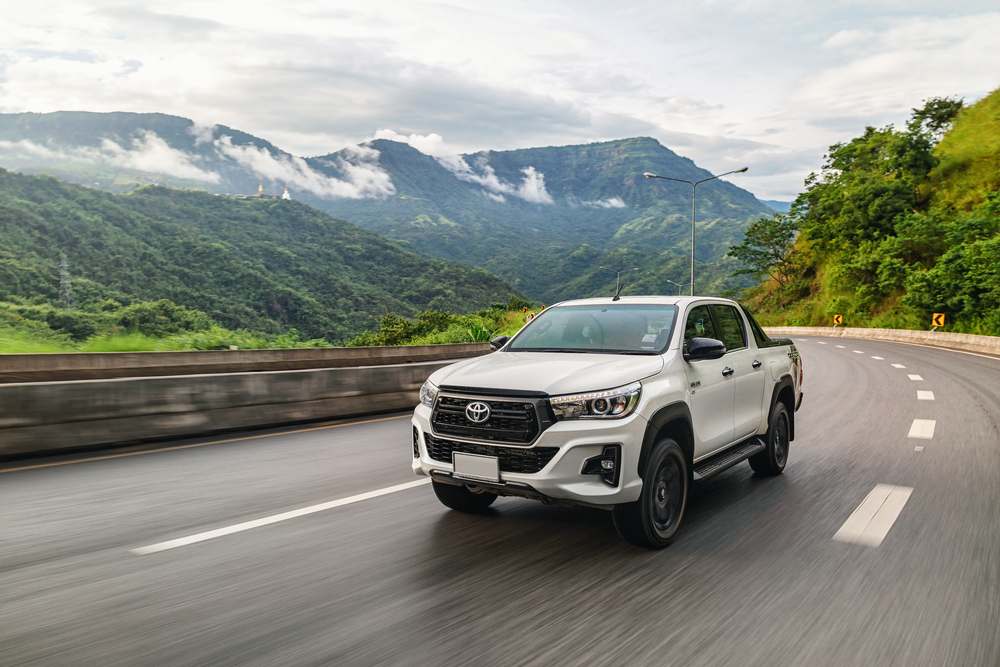
Tips for Renting a Car in Thailand
Choose a reliable rental company. Compare prices and check reviews to find the best option. Always read the insurance policy before signing. Make sure you know what is covered in case of an accident or damage.
Choosing the right rental company
Selecting the right rental company is key for a smooth road trip in Thailand. A good choice enhances your travel experience.
- Research local rental companies and read reviews online to find trusted options. Look for firms with positive ratings and reliable service.
- Compare prices from different companies. Ensure that you understand what is included in the cost, such as mileage and fuel policies.
- Check for available vehicle types. Choose a car that suits your needs, whether it’s compact for city driving or larger for long journeys.
- Verify if the company provides roadside assistance. This service can be helpful in case of breakdowns during your trip.
- Ask about insurance coverage options. Make sure you have enough protection against accidents or damages.
- Confirm age restrictions before booking. Some companies may charge extra fees for younger drivers or have minimum age requirements.
- Understand the pick-up and drop-off locations clearly. Ensure they are convenient for your travel plans.
- Read the rental agreement carefully before signing it. Look out for hidden fees or unclear terms.
Choosing wisely can greatly impact your journey through Thailand’s beautiful provinces.
Insurance coverage and policies
Choosing the right rental company is a key step. Next, understanding insurance coverage and policies will help you stay safe on your road trip.
- Check if the rental company offers basic insurance coverage. This usually includes damage to the vehicle and third-party liability.
- Look for extra options like collision damage waiver (CDW). This can reduce your financial responsibility if the car gets damaged.
- Review personal accident insurance (PAI) offerings. It covers medical costs for injuries while driving.
- Understand what is not covered by the insurance policy. Items like theft or personal belongings may need separate coverage.
- Look at the excess fee in case of an accident. This is the amount you pay before the insurance kicks in.
- Ask about roadside assistance services provided by the rental company. It can be helpful during emergencies on long trips.
- Consider buying additional travel insurance that includes car rental coverage, especially for international travel.
- Read all terms and conditions carefully before signing any agreement to avoid surprises later.
Get informed about insurance options to make your journey easier in Thailand.
Preparing for a Long-Distance Journey
Check the car before you leave. Ensure the tyres, brakes, and lights are all working well. Plan your route carefully and decide where to stop along the way.
Checking the vehicle’s condition
Before starting your journey, examine the vehicle carefully. This can prevent issues during your road trip.
- Inspect the tyres for wear and proper pressure; under-inflated tyres can affect handling.
- Check the brakes to ensure they respond well; faulty brakes are dangerous.
- Look at all lights, including headlights, brake lights, and indicators; non-working lights can lead to accidents.
- Assess the oil level; low oil might cause engine problems.
- Ensure that the water levels in both the radiator and windscreen washer are sufficient; this is vital for safety and visibility.
- Test the wipers to confirm they clear rain effectively; good wipers improve driving safety in bad weather.
- Verify that seatbelts function properly; they protect you in case of an accident.
- Review the fuel gauge to ensure you start with enough petrol for your journey; running out of fuel can disrupt travel plans.
Stay vigilant about these checks to enhance your driving experience across provinces in Thailand.
Planning your route and stops
Planning your route and stops is key for a smooth road trip. Good planning helps avoid delays and ensures you see interesting places.
- Choose a main route. Use maps or apps to find the fastest way between provinces.
- Look for scenic routes. Thailand has beautiful roads with great views. Plan a route that offers these sites.
- Decide on rest stops. Long drives can be tiring, so plan breaks every couple of hours to relax and refresh.
- Check for gas stations along the way. Be sure to know where you can fill up the tank, especially in remote areas.
- Research attractions ahead of time. Learn about local sites that interest you and fit them into your travel plans.
- Take weather into account. Check forecasts before leaving, as heavy rain can affect your plans.
- Keep an eye on traffic updates for any road works or jams that could slow you down.
Next, focus on checking the vehicle’s condition before starting your journey.
Driving Between Provinces In Thailand
Driving between provinces in Thailand can be a great adventure. Keep these tips in mind for a smooth journey. Know the rules and carry your documents. Choose the right rental car and check its condition.
With good planning, you will enjoy the scenic routes while exploring local attractions. Get ready for an exciting road trip!
At SPS Car Hire Pattaya, we are the perfect place for you to rent a vehicle for your Thailand travel. Please click on the button below for more details. You can also click here to rent mopeds in Thailand.
 -
- -
- -
- -
- -
- -
- -
-