

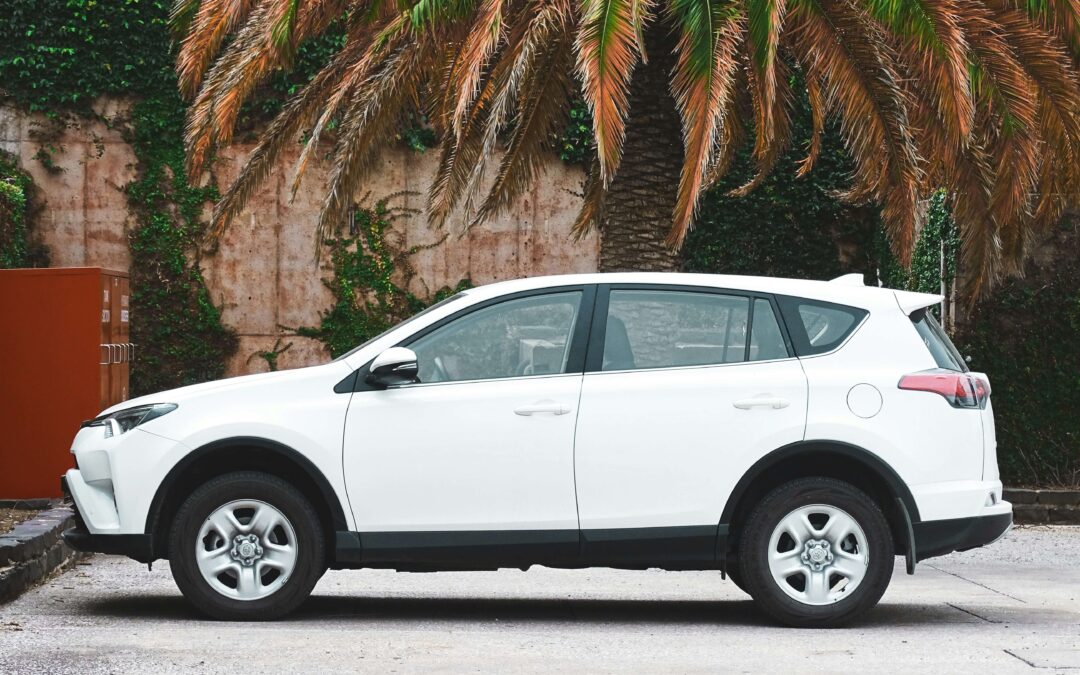
The car leasing vs car rental debate is an interesting one. Deciding between car leasing and car rental can be tricky. Many people find themselves confused about which option will best suit their needs. Both choices offer different benefits and might fit various situations or budgets.
This choice becomes even more critical when considering long-term financial effects and personal convenience.
Car Leasing vs Car Rental: Making the Right Choice for You explores this topic in detail. We’ll look at key differences such as ownership, monthly payments, cost-effectiveness, and flexibility.
Plus, we’ll discuss how to match these options with your budget requirements and driving needs. By comparing car leasing benefits to car rental options, our guide aims to make your decision clearer.
Keep reading for insights that could help you save money and hassle.
Car Leasing vs Car Rental: What’s the Difference?
Car leasing and car rental serve different purposes. Leasing typically offers longer-term use, while rental provides short-term solutions for driving needs.
Ownership
Ownership differs significantly between vehicle leasing and car rental. With a lease, you access a vehicle for a set period while the leasing company retains ownership. You make monthly payments during the lease term but do not own the car at its end.
Renting operates differently. Rental services provide vehicles for short terms, often daily or weekly. Users pay to use the car without any long-term commitment or ownership benefits.
This option suits those with temporary driving needs who prefer flexibility without ongoing costs associated with buying a car.
Monthly payments
Monthly payments play a significant role in the decision between car leasing and renting. If you choose to lease, your monthly payments will often be lower compared to financing a purchase.
This makes long-term car leasing an attractive option for those who want a new vehicle without breaking the bank. On the other hand, renting a car generally incurs higher costs due to daily or weekly rates, which can add up quickly for extended use.
Car leases typically come with set terms, usually two to three years long. During this period, drivers only pay for the depreciation of the vehicle, keeping monthly expenses manageable.
Car rental services charge based on usage time rather than ownership value. Ultimately, understanding these payment structures helps in comparing car leasing and renting effectively.
Cost-effectiveness
Car leasing often proves to be more cost-effective for many drivers. Lower monthly payments make it easier to budget for a vehicle. Drivers enjoy the latest models without making a hefty purchase commitment.
Rental car services, on the other hand, can rack up higher total costs over time. Short-term use might seem appealing upfront but can quickly add up.
Long-term car leasing allows individuals to enjoy extended use of a vehicle at an affordable price. It also offers flexibility when upgrading vehicles every few years without the stress of selling or trading in a car.
Renting vs leasing presents various financial implications that one must consider carefully before making a decision.
Flexibility
Flexibility sets car leasing apart from car rental. With a lease, you commit to a longer term, often two to four years. This option suits those who enjoy driving new vehicles without the hassle of ownership.
Monthly payments for leases tend to be lower than traditional loans. On the other hand, renting offers short-term flexibility for travellers or temporary needs. You can hire a vehicle for days or weeks.
This choice allows you to switch cars frequently based on your plans.
Understanding these differences helps you weigh your options better. Consider how long you need a vehicle as you explore further into costs and benefits of each approach.
Budget requirements
Budget plays a vital role in choosing between car leasing and car rental. Car leases often require lower monthly payments compared to renting. With a lease agreement, you can budget for long-term car leasing effectively since the payments remain consistent throughout the term.
On the other hand, vehicle renting usually involves higher total costs over time, especially if you need an automobile for several days or weeks.
Assess your budget carefully before making your decision. Long-term financial planning is essential when considering either option. Understanding these factors will help you make informed choices about ownership and expenses as you weigh your options moving forward.

Pros and Cons of Car Leasing
Car leasing offers lower monthly payments for new cars, making it an attractive option. Yet, you must consider the commitment to a contract and potential mileage limits before deciding.
Lower payments
Lower payments often make car leasing an attractive option. Leasing typically requires a smaller monthly payment compared to traditional loans or rentals. Many drivers find that they save money each month by choosing to lease rather than buy.
This cost-effective choice allows individuals to enjoy a new vehicle without the high financial burden of ownership.
A lower initial investment further enhances the appeal of automobile leasing. With less upfront cash needed, many people can drive a newer model sooner. However, it is vital to consider long-term costs when making your decision between lease vs rent car options.
Temporary driving needs
Car leasing suits those with temporary driving needs. This option allows you to use a vehicle for a set period, often between two and four years. Lower monthly payments make leasing attractive, helping you manage your budget effectively.
You can enjoy newer models without committing to long-term ownership.
Renting offers another solution for short-term use. Monthly car rentals work well for holidays or specific occasions. They provide flexibility since you can choose the duration of hire that fits your plans.
However, rental costs may add up quickly over time compared to longterm car leasing, especially if you need a car frequently.
Extended use
Extended use often makes leasing the better choice. Monthly payments for a lease are usually lower than those for renting. You can drive a car that suits your needs over an extended period without worrying about high costs.
Leasing allows you to enjoy a new vehicle every few years, which is appealing for many drivers.
Rental options primarily suit short-term needs. If you need a vehicle for months rather than days or weeks, leasing proves more cost-effective in the long run. Explore both choices carefully before deciding on lease vs buy car, ensuring it fits within your budget and driving requirements.
Pros and Cons of Car Rental
Car rental offers convenience for short trips, but it often comes with a higher total cost. You may face limited flexibility, as rental agreements usually impose strict timeframes and mileage limits.
Higher total cost
Car rental often comes with higher total costs compared to leasing. Rental rates can add up quickly, especially if you need a vehicle for an extended period. Frequent hires can exceed your budget faster than you might expect.
Leasing may offer lower monthly payments, but rentals include additional fees, insurance, and taxes. Each rental adds to the overall expense. If you’re looking for a cost-effective way to drive without long-term commitment, consider how these costs impact your finances before making a choice.
Limited flexibility
Car rentals offer limited flexibility compared to leasing options. Rental agreements usually last for a few days or weeks. These short terms can restrict your choices if you want to change vehicles frequently.
You might find yourself tied to one model for the entire rental period.
If your plans change, altering a reservation may come with extra fees or unavailability of preferred models. This lack of adaptability can create stress when you need something different at short notice.
For those prioritising car hire with more options available, this limitation could be frustrating.
Short-term use
Car rental suits those with temporary driving needs. People often rent cars for holidays, business trips, or special events. Short-term use brings convenience without the commitment of leasing.
You pay only for the days you need a vehicle. This can be cost-effective if you do not plan to drive regularly.
Renting allows flexibility in choosing different vehicles as needed. You can select a compact car one day and an SUV the next. This variety caters to different occasions easily and effectively.
Many rental companies offer attractive deals for short periods too, making it easier on your wallet compared to leases that require longer commitments.
Now let’s explore the pros and cons of each option in detail.
Choosing the Right Option for You
Choosing the Right Option for You: Assess your budget and driving habits to make an informed decision that suits your needs. Explore various options and find what works best for you!
Consider your budget and driving needs
Budget plays a crucial role in your decision. Assess how much you can afford each month. Car leasing often comes with lower payments compared to car rental. This makes it cost-effective for those who drive regularly.
Identify your driving needs as well. If you plan to use the vehicle long-term, leasing suits you better. For short trips or occasional use, rentals might be more appropriate. Evaluate these factors carefully to make an informed choice that fits your lifestyle and financial situation.
Evaluate long-term costs
Evaluating long-term costs is crucial for making the right choice. Car leasing often involves lower monthly payments compared to rentals. Over time, these savings can accumulate significantly.
Consider how long you plan to keep the car when comparing options. Rentals might seem cheaper upfront but can add up quickly with daily fees.
A lease typically lasts two to three years, allowing you to drive a new vehicle often. This option provides flexibility and keeps your costs manageable if you’re not ready for ownership yet.
In contrast, rentals work well for short trips or temporary needs but may become costly over extended periods due to high daily rates. Always assess your driving habits and financial situation before deciding which route best fits your needs and budget requirements.
Research and compare options
Researching and comparing options can help you make a smart choice. Start by looking at different leasing companies and rental agencies. Check their offers, terms, and conditions. Some may have lower monthly payments or better overall costs.
Read reviews from other customers to see their experiences. Use online calculators to estimate your total expenses for both leasing and renting. This will help you find the most cost-effective solution that meets your needs.
Understanding all these factors ensures you choose wisely based on your budget and preferences.
Determine your credit score
Your credit score plays a crucial role in leasing or renting a car. Lenders use this score to assess your financial reliability. A higher score often leads to better lease terms and lower monthly payments.
Assess your credit report for accuracy before applying. Check for any errors that could affect your score. Take steps to improve it if needed, such as paying off debts or making timely bill payments.
A solid credit history increases your chances of getting approved for a lease or rental agreement. Many companies offer flexible plans based on different scores, but higher scores usually ensure more cost-effective options.
Understanding where you stand can help you make informed decisions about car leasing versus renting, ultimately saving you money in the long run.
Seek professional advice if needed
Consulting a professional can help you make an informed decision. Experts understand the details of leasing and renting cars. They can break down the costs involved clearly. This guidance ensures you choose a cost-effective option for your needs.
Professionals often provide insights into hidden fees or terms that may affect your budget. Their expertise helps in evaluating long-term expenses versus short-term needs. Taking this step can prevent costly mistakes and simplify your choice between leasing and renting.
SPS Car Hire Thailand is a great option for your car rental needs. Click on the button below for more details. You can also click here to rent mopeds in Thailand.
 -
- -
- -
- -
- -
- -
- -
-