

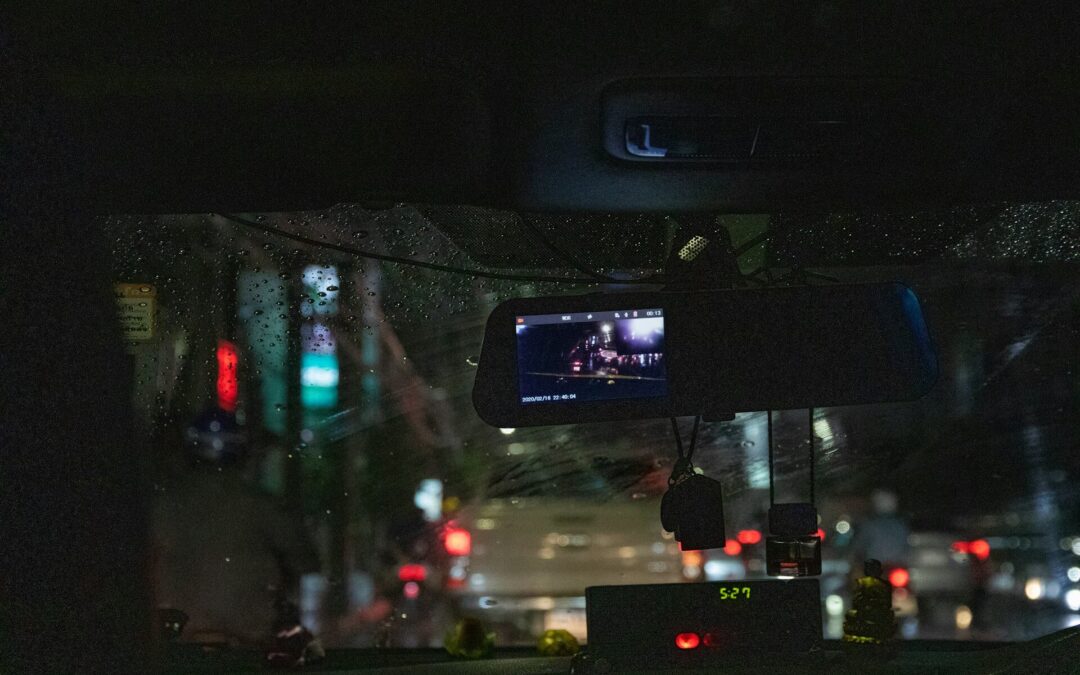
Struggling to plan travel in Thailand because of sudden monsoon rains?
Monsoon season runs from late April to the end of October and brings most of Thailand’s rainfall.
This guide shows the Best Time To Rent Cars In Thailand and explains how renting in the rainy season can cut costs and boost flexibility.
Read on for smart, simple tips.
Reasons to Rent Cars in Thailand During the Rainy Season
Renting cars in Thailand during the rainy season is a smart move. Rental rates drop, making it easier on your wallet… Plus, more flexible booking options mean you can find a car that fits your travel plans perfectly.
Why are rental rates cheaper in Thailand’s low season?
Monsoon runs from late April through the end of October, with the main rainy season from mid-May to mid-October. Tourist numbers drop, so car rental firms cut rates to fill fleets.
Peak rainfall from July to September pushes many visitors away. Morning and late afternoon rains also reduce demand for road trips and Chiang Mai tours. The rainy season makes travel plans less certain, so companies compete on price and flexibility.
Thailand has good infrastructure and well-maintained highways, which keeps driving feasible even in wet months. Cheap fuel helps firms keep hire costs low, and renters gain more flexibility for exploring remote spots.
Drivers must check forecasts and exercise caution during heavy rain, and carry a map for flood-prone routes. Next, check how flexible booking options and car availability get during the rainy season.
How flexible are booking options and car availability in the rainy season?
Rainy season bookings stay very flexible, especially from late April to the end of October. Rental firms drop prices in the low season, so you can change dates with small fees or free cancellation.
Peak rain falls from July to September, yet cars sit available at many branches. Thailand has good infrastructure and well maintained highways, so firms keep fleets ready for travellers.
Fuel costs stay relatively affordable, which lowers the total cost of car hire.
Renting a car gives you full control, even in heavy rain.
Most rain falls in the morning and late afternoon, so firms plan pick ups and drop offs around those times. The rainy months run mid May to mid October and make up about three quarters of Thailand’s weather patterns.
Drivers should check weather conditions during May to October and pick vehicles suited to wet roads. Car rental offers complete flexibility and remains a practical way to see Chiang Mai, coastal areas, and remote sites.
Next, how does renting a car improve convenience and safety in bad weather?
Benefits of Renting a Car in the Rainy Season
Renting a car during the rainy season gives you more freedom to explore. You can visit places that may be hard to reach by public transport, keeping your trip smooth and safe even when the rain falls.
How does renting a car improve convenience and safety in bad weather?
Car hire gives you control in Thailand’s monsoon season, which runs late April to the end of October, and peaks from July to September; the rainy season makes up about three quarters of the country’s weather patterns.
Rain often falls in the morning and late afternoon or evening, so you can time trips to avoid downpours. Thailand has good infrastructure and well maintained highways, which helps keep driving safer during heavy rain.
A rental lets travellers change plans, reach remote spots like Chiang Mai or coastal areas, and avoid crowded public transport. Fuel prices stay relatively affordable, which lowers trip costs for road trips.
Drivers must check weather conditions and exercise caution from mid May to mid October, to reduce risks on wet roads.
What remote destinations can you access by car during the rainy season?
Monsoon runs from late April to the end of October. Peak rain falls from July to September.
- Northern highlands, around Chiang Mai and Doi Inthanon, let you reach mountain villages and remote waterfalls, roads stay well maintained and you can avoid crowded tours while enjoying cheap rental prices in the low season.
- Mae Hong Son loop offers remote scenery and hill tribe towns, driving gives full flexibility and better safety than local buses during heavy afternoon rain.
- The Andaman coast, from Phuket to Krabi and Phang Nga, allows access to lesser-visited beaches and sea caves, highways remain good and fuel costs stay affordable compared with many countries.
- Surat Thani and the route to Koh Samui enable easy ferry links, hire a car to control schedules around morning and late-afternoon rains that characterise the monsoon.
- Eastern Seaboard roads, through Rayong and small fishing villages, grant access to quiet coastal spots, car rentals cut transit time and help you avoid packed tourist routes.
- Central plains, including Ayutthaya and Sukhothai, let you visit historic parks with fewer crowds, driving in light rain proves safer on well-kept highways than relying on local transport.
- Khao Yai outskirts and other national parks give access to remote trails and viewpoints, check weather, drive cautiously during May to October, and use higher-clearance vehicles if needed.
Next, learn which vehicle types suit rainy season driving and how to plan routes to avoid flood-prone areas.
Tips for Renting Cars During the Rainy Season
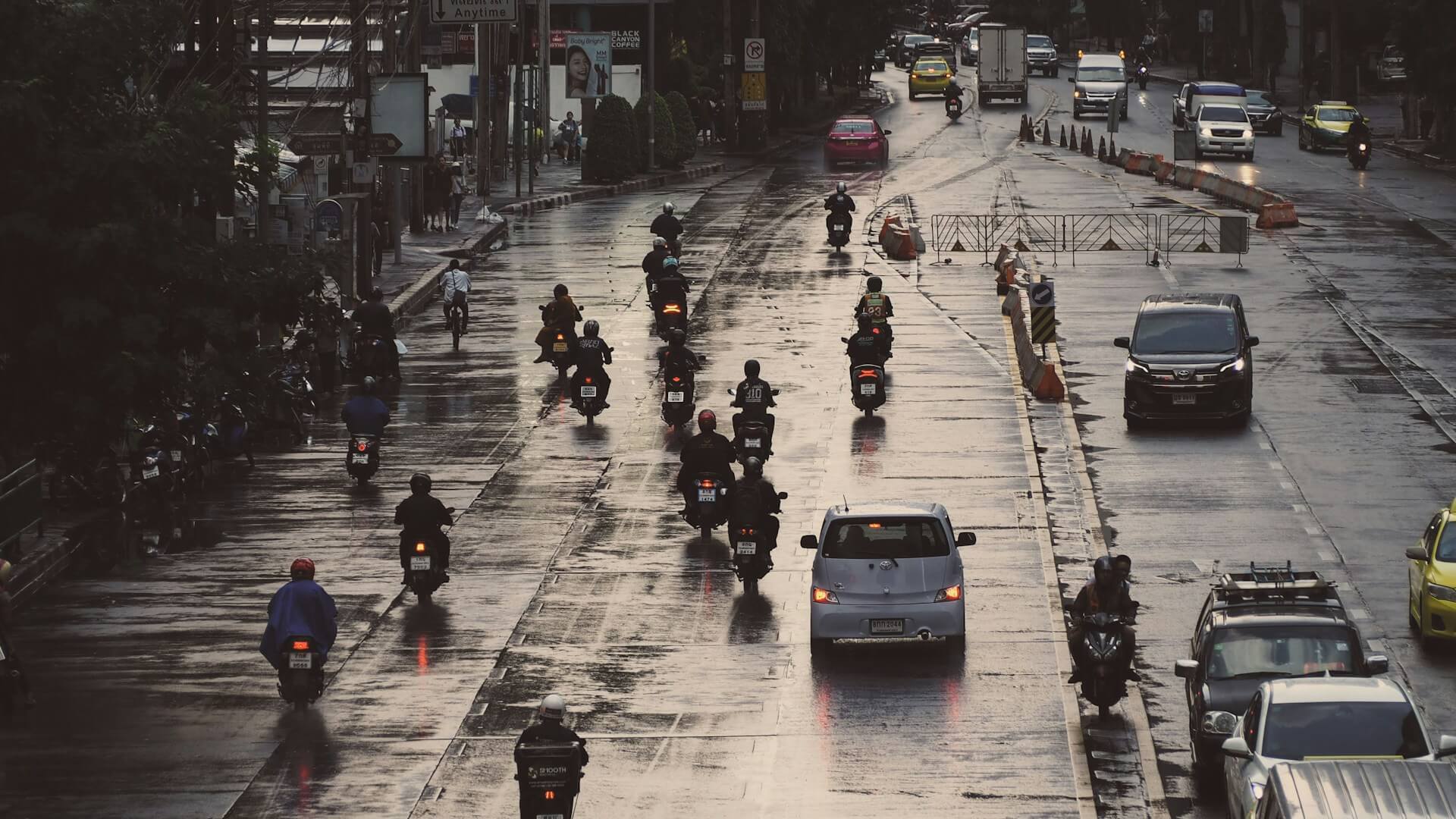
Choosing the right vehicle is key. Look for cars that handle well in wet conditions, like SUVs or those with good traction… Planning your routes is just as important. Avoid areas known to flood and keep an eye on weather updates while driving.
What types of vehicles are best for rainy season driving in Thailand?
Pick the right vehicle and you will stay safer on Thailand’s roads during the monsoon months.
| Vehicle Type | Why it helps | Examples / Models | Notes and Practical Tips |
| SUV, compact or mid-size | Higher ground clearance reduces risk in shallow floods. Better grip on wet highways. Good for morning and late afternoon rains, which are common in monsoon months. | Toyota Fortuner, Honda CR-V, Mazda CX-5 | Use on well-maintained highways across Thailand. Fuel costs remain relatively affordable, making larger vehicles easier to run during longer trips. |
| Crossovers | Blend of comfort and moderate clearance. Easier to manoeuvre on wet urban roads. Suits travellers who want flexibility exploring regions. | Suzuki S-Cross, Nissan Qashqai | Book early for peak rainy season, July to September, if you need a specific model or extras like roof rails. |
| Pick-up trucks | Strong chassis and higher ride height cope well with heavy downpours. Good for remote beaches and rural routes that may see more water pooling. | Isuzu D-Max, Ford Ranger | Check local weather before heading into rural areas. Flood-prone zones appear more during mid-May to mid-October. |
| All-wheel drive (AWD) variants | Extra traction on slick surfaces. Useful during peak rainy season, when heavy rain falls most often between July and September. | Subaru Forester, Mitsubishi Outlander | Confirm AWD availability when booking. Bookings are more flexible in the low season, so you can upgrade if needed. |
| Small fuel-efficient cars | Easy to park in town. Lower running costs, due to Thailand’s relatively affordable fuel. Good on long highway stretches. | Honda Jazz, Toyota Yaris | Avoid low-lying rural routes after heavy rain. Use them for short trips in cities and on good roads. |
| Vehicles with safety tech | Electronic stability control and ABS cut skidding risk. Good brakes help through sudden evening storms. | Mid to high spec trims across brands | Ask for safety features when you reserve. Rental companies often have more availability in the rainy season. |
| Tyres and extras | Good tread depth and all-season tyres improve wet grip. Roof racks and weatherproof covers protect luggage on longer trips. | Tyre brands vary, check tread at pick up | Inspect tyres on collection. Confirm insurance covers flood damage and check weather reports before each drive. |
How can you plan routes to avoid flood-prone areas?
Planning routes is key during the rainy season in Thailand. Safe driving requires awareness of weather conditions.
- Check weather forecasts daily, especially for rain alerts. This helps avoid areas with heavy rainfall.
- Use GPS apps that show real-time traffic and road conditions. Look for updates on flooding or blocked roads.
- Research your route beforehand to identify potential flood-prone areas. Certain regions are more at risk during monsoon season, especially from mid-May to mid-October.
- Choose main roads over smaller ones when possible, as highways tend to drain better and have less flooding.
- Stay informed about local flash floods warnings from authorities or online sources before heading out.
- Consider timing your trips. Early mornings often see less rain than afternoons, making it safer to drive.
- Ask locals or car rental staff about safe routes and any areas to avoid during this time.
These tips can enhance safety while exploring Thailand’s attractions, even when the rain falls hard outside.
Best Time to Rent Cars in Thailand 2026
Renting a car in Thailand during the rainy season is wise. You save money, and you get more choices for cars. Driving gives you the freedom to explore places like Chiang Mai or hidden gems that are hard to access by other means.
Just be sure to check weather conditions before hitting the road. Enjoy your adventure, rain or shine!
At SPS Car Hire, we are the deal place to get the best rental car deals in Thailand, and especially in Pattaya. Please click on the button below to see our car rentals. You can also click here to see our moped rentals.
 -
- -
- -
- -
- -
- -
- -
-