


USAA members enjoy exclusive benefits when renting vehicles, but navigating the intersection of military-focused insurance coverage, partner discounts, and rental-car protection can be complex. Understanding how USAA car rental programs work-from preferred-provider discounts to collision damage waiver (CDW) decisions-helps members make informed choices that protect their wallets and minimize liability. Whether you're traveling for business, deploying overseas, or planning a family vacation, knowing your USAA car rental benefits ensures you're never paying more than necessary while maintaining appropriate coverage.
Understanding USAA Car Rental Member Benefits
USAA has negotiated agreements with major rental-car companies to provide members with discounted rates and expedited service. These partnerships typically include providers like Enterprise, Hertz, Budget, and National, though availability and specific discounts vary by location and booking date.
Key member advantages include:
- Percentage-based discounts off standard rental rates (often 5-25% depending on the provider and membership tier)
- Waived or reduced young-driver fees for members under 25
- Priority service counters at select locations
- Additional driver fee waivers in certain circumstances
- Free upgrades when available (not guaranteed)
The USAA Perks program serves as the central hub where members can compare rates across partner providers and activate their member discounts. Booking through this portal ensures the discount code applies automatically, eliminating the need to remember or manually enter promotional codes.

How USAA Auto Insurance Covers Rental Vehicles
One of the most frequently misunderstood aspects of USAA car rental benefits is how your existing auto insurance policy extends to rental vehicles. USAA auto policies typically cover rental cars at the same level as your personal vehicle, but important limitations apply.
Your USAA comprehensive and collision coverage generally transfers to rental cars within the United States. If your personal policy includes $500 deductibles and full coverage, those same terms apply when you rent. However, this coverage only kicks in after you decline the rental company's CDW or Loss Damage Waiver (LDW).
| Coverage Type | USAA Policy Coverage | Rental Company CDW | Key Differences |
|---|---|---|---|
| Physical Damage | Matches personal policy limits | Zero-deductible typically | USAA requires deductible payment |
| Loss of Use | Usually NOT covered | Often NOT covered by CDW either | You may be liable regardless |
| Administrative Fees | Not covered | Sometimes covered | Read rental agreement carefully |
| Geographic Limits | U.S. and Canada typically | Varies by country | International rentals need review |
According to Consumer Reports’ analysis of rental insurance, understanding these gaps prevents surprise bills. The "loss of use" charge-fees rental companies impose for revenue lost while a damaged vehicle is being repaired-represents a particularly expensive gray area that neither USAA policies nor many CDW contracts fully cover.
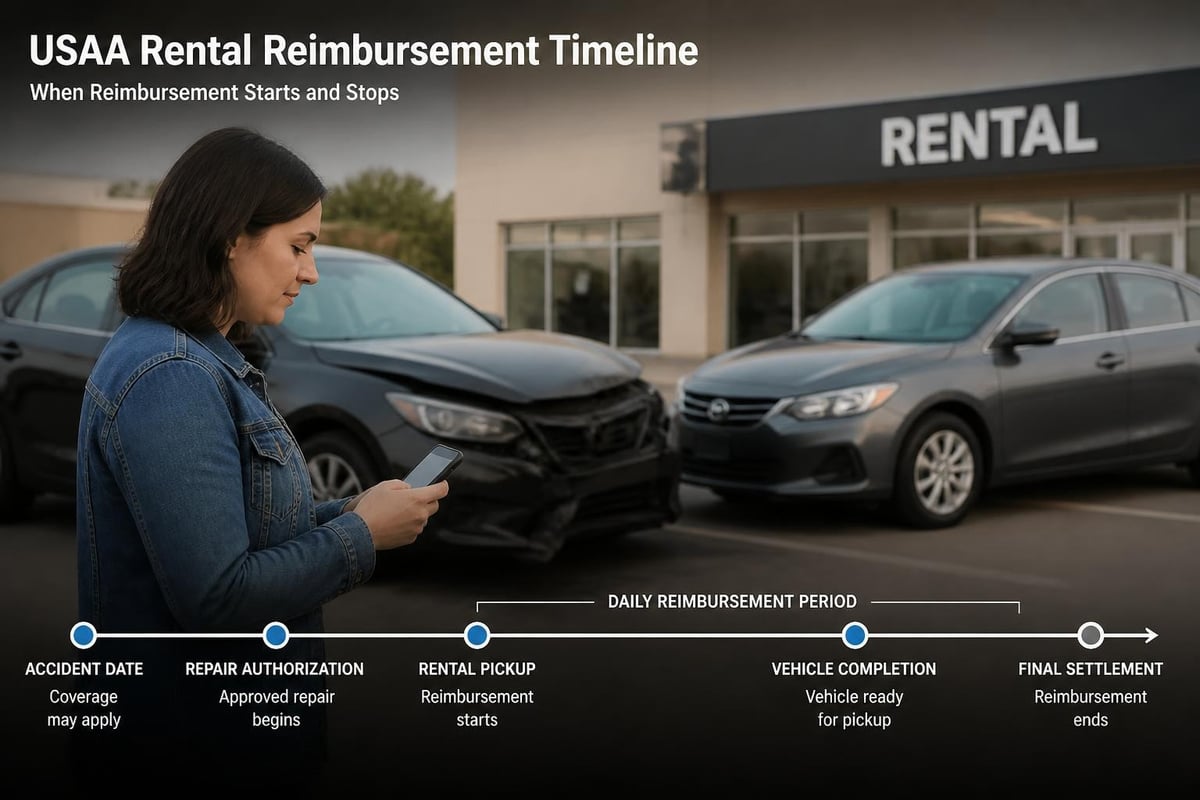
USAA Rental Reimbursement Coverage Explained
Beyond coverage for the rental vehicle itself, USAA offers rental reimbursement as an optional add-on to auto policies. This coverage reimburses you for rental-car costs while your personal vehicle is being repaired after a covered claim.
Rental reimbursement typically provides:
- Daily limits ranging from $30 to $100+ per day
- Total claim maximums (e.g., $900 for a 30-day period at $30/day)
- Coverage only during active repair periods documented by the shop
- No coverage for mechanical breakdowns (only accident/comprehensive claims)
The USAA Guide to Benefits details specific limits by policy type. Members should verify their daily limit before selecting a rental vehicle, as costs exceeding the daily cap come out-of-pocket.
When Rental Reimbursement Applies
This coverage activates when your vehicle requires repairs following a covered loss. It does not apply when you're simply renting for travel or convenience. Common scenarios include:
- Collision damage requiring body-shop repairs lasting multiple days
- Comprehensive claims such as theft, vandalism, or weather damage
- Total loss situations where reimbursement continues until claim settlement (up to policy limits)
The coverage does not apply to:
- Routine maintenance or mechanical failures
- Pre-existing damage repairs
- Rental cars damaged while in your possession (that's a separate claim)
Deciding Whether to Accept or Decline Rental-Car CDW
The collision damage waiver decision represents the most consequential choice USAA members face at rental counters. Declining CDW saves $15-$40 per day but transfers financial responsibility to your USAA policy-including your deductible.
Factors favoring CDW acceptance:
- Your USAA deductible exceeds $500 (CDW typically offers zero-deductible coverage)
- You're renting in a foreign country where USAA coverage may not apply
- The rental is for business purposes and your employer reimburses CDW
- You're uncomfortable with potential loss-of-use liability
- You're renting specialty vehicles (luxury, exotic, oversized) with high replacement costs
Factors favoring CDW decline:
- You carry low deductibles ($250 or less) on your USAA policy
- Your credit card provides primary rental coverage (rare but valuable)
- The rental period is short (1-2 days) reducing total CDW cost
- You're an experienced driver with a clean record reducing accident probability
The National Association of Insurance Commissioners recommends confirming coverage details with both USAA and the rental company before travel, as state-specific regulations and international agreements create complexity.
Credit Card Rental Coverage Coordination
Many premium credit cards offer secondary (sometimes primary) rental-car coverage. When you pay for the rental with these cards, they may cover the deductible your USAA policy requires or provide standalone protection if you lack comprehensive/collision coverage.
Secondary coverage means the credit card pays after your auto insurance, covering deductibles and gaps. Primary coverage means the card's coverage applies first, allowing you to avoid filing a USAA claim entirely (preserving your claims history).
Before relying on credit-card coverage:
- Verify whether the coverage is primary or secondary
- Confirm the rental period length (many cards limit coverage to 15-31 consecutive days)
- Check vehicle type exclusions (trucks, luxury vehicles, and cargo vans are commonly excluded)
- Understand the claim-filing requirements (documentation, time limits, exclusions)
Coordinating USAA coverage with credit-card benefits creates a layered protection strategy that minimizes both out-of-pocket costs and claims against your primary auto policy.
International USAA Car Rental Considerations
USAA auto insurance coverage typically extends only to rentals in the United States and Canada. When traveling internationally, members must evaluate local insurance requirements and purchase appropriate coverage through the rental company or third-party providers.
Key international rental insurance concepts:
| Insurance Type | Purpose | Typical Cost/Day |
|---|---|---|
| CDW/LDW | Physical damage to rental vehicle | $15-$45 |
| Third-Party Liability | Damage/injury to others (often mandatory) | $10-$25 |
| Personal Accident Insurance | Medical coverage for renters | $5-$15 |
| Theft Protection | Separate from CDW in some countries | $8-$20 |
Many countries, including Italy, Ireland, and Israel, require minimum third-party liability coverage by law, which USAA policies do not satisfy. Declining these mandatory coverages isn't an option, regardless of your U.S. insurance status.
USAA Coverage Verification for International Travel
Before international trips, USAA members should:
- Call USAA directly to confirm coverage territory (1-800-USAA-HELP)
- Request written confirmation of any international coverage extensions
- Research destination-country mandatory insurance requirements
- Consider comprehensive travel insurance packages that include rental-car coverage
- Budget for required local insurance purchases when comparing rental costs
Some USAA members assume their comprehensive coverage extends globally, leading to expensive surprises when claims are denied. Taking fifteen minutes to verify coverage before booking prevents complications during your trip.
Business Use and Tax Deductions for USAA Car Rental
Service members, military contractors, and defense-industry professionals frequently rent vehicles for business purposes. Understanding how USAA car rental expenses interact with tax deductions and business expense policies maximizes financial efficiency.
According to IRS Publication 463, rental-car expenses are deductible for business use under specific conditions:
- The rental must be for business purposes (commuting typically doesn't qualify)
- You must maintain detailed records (dates, mileage, business purpose)
- Only the business-use portion is deductible if the rental serves mixed purposes
- Reimbursed expenses cannot be claimed as deductions
Deductible rental expenses include:
- Base rental rate (business days only)
- Required insurance not covered by personal policies
- Fuel for business mileage
- Tolls and parking fees during business activities
- Optional equipment necessary for business use (GPS for client visits, etc.)
For USAA members who frequently rent for business, maintaining a rental log that documents date, destination, business purpose, mileage, and total cost simplifies year-end tax preparation and audit defense.
Employer Reimbursement vs. Personal Coverage
When employers reimburse rental costs, coordination with USAA coverage becomes important. If your employer's travel policy requires CDW acceptance and reimburses the cost, accepting the coverage makes sense even if your USAA policy would otherwise cover the rental.
Conversely, if you're self-employed or work for an organization with flexible policies, declining CDW and relying on USAA coverage may be more cost-effective. Calculate the total trip cost under both scenarios before deciding.

Common USAA Car Rental Mistakes to Avoid
Even experienced USAA members make costly errors when renting vehicles. Awareness of these pitfalls helps you sidestep unnecessary expenses and coverage gaps.
Mistake 1: Assuming All Vehicles Are Covered Equally
USAA policies typically exclude or limit coverage for:
- Commercial vehicles (cargo vans, box trucks)
- Exotic or luxury vehicles above certain values
- Vehicles used for rideshare or delivery services
- Off-road vehicles (ATVs, dirt bikes) unless specifically endorsed
Always verify that the specific vehicle class you're renting falls within your USAA policy coverage before declining CDW.
Mistake 2: Misunderstanding Loss-of-Use Liability
Rental companies can charge "loss of use" fees for days they cannot rent a damaged vehicle. These fees often exceed repair costs and create disputes. Neither standard USAA policies nor many CDW contracts clearly cover these charges.
Recent congressional efforts have sought to regulate loss-of-use practices, but as of 2026, protection remains inconsistent. Document the vehicle's condition thoroughly at pickup and return to dispute unjustified claims.
Mistake 3: Failing to Report Accidents Promptly
USAA requires prompt accident notification-typically within 24-48 hours. Delaying your report to USAA while dealing with rental-company procedures can jeopardize coverage. Report to both USAA and the rental company immediately after any incident.
Mistake 4: Ignoring Policy Changes
USAA periodically updates coverage terms, limits, and rental-related provisions. Members who haven't reviewed their policy in years may operate under outdated assumptions. Annual policy reviews, especially before major trips, ensure your understanding matches current coverage.
Maximizing Value with USAA Car Rental Benefits
Strategic use of USAA car rental benefits can save hundreds of dollars annually for frequent travelers. Combining discounts, coverage decisions, and smart booking practices creates maximum value.
Value-maximization strategies:
- Book through USAA Perks to ensure discount application (don't assume third-party sites honor member rates)
- Compare total cost including insurance across multiple providers (the lowest base rate may not be cheapest after required coverage)
- Time bookings strategically as rates fluctuate by day-of-week and advance-booking window
- Join rental company loyalty programs which stack with USAA discounts for additional benefits
- Consider one-way rental costs before assuming round-trip is cheaper
For members stationed overseas or frequently deploying, USAA's flexibility in pausing coverage during deployment periods interacts beneficially with rental-reimbursement options. Coordinate with USAA before deployment to optimize coverage and costs.
Long-Term Rental Considerations
Rentals exceeding 30 days often trigger different insurance considerations. Many credit-card coverages expire after 30 consecutive days, and USAA rental-reimbursement limits may cap total payouts.
For extended rentals:
- Verify USAA coverage continues throughout the rental period
- Ask about monthly rental rates (often 30-50% cheaper than daily rate × 30)
- Confirm whether the rental company's insurance costs decrease for long-term contracts
- Consider whether leasing a vehicle becomes more economical than extended rental
Military members on temporary duty assignments or extended training can often negotiate specialized rates that provide better value than standard daily rentals, even with USAA discounts applied.
Regional Variations in Coverage and Partnerships
USAA car rental benefits and coverage vary by state due to insurance regulations and regional rental-company partnerships. Members should verify specifics for their state of residence and travel destinations.
State-specific considerations:
| Region | Typical Variation | Impact on USAA Members |
|---|---|---|
| New York | Mandatory additional liability coverage | Higher minimum rental costs |
| California | Stricter loss-of-use fee regulations | Better protection against excessive charges |
| Hawaii | Limited USAA partner locations | Fewer discount options |
| Alaska | Extended geographic coverage requirements | Verify terrain/off-road coverage |
MoneyGeek’s USAA rental-car guide provides state-by-state breakdowns of typical member experiences. Cross-referencing this information with USAA's official guidance ensures accurate planning.
Partner Availability in Tourist Destinations
Popular vacation destinations sometimes have limited USAA partner availability at airports and tourist hubs. Booking in advance and comparing partner vs. non-partner rates prevents last-minute surprises.
In some international tourist markets, USAA partner companies operate under different brand names or through local franchisees, complicating discount application. Confirming the reservation reflects member pricing before travel prevents check-in disputes.
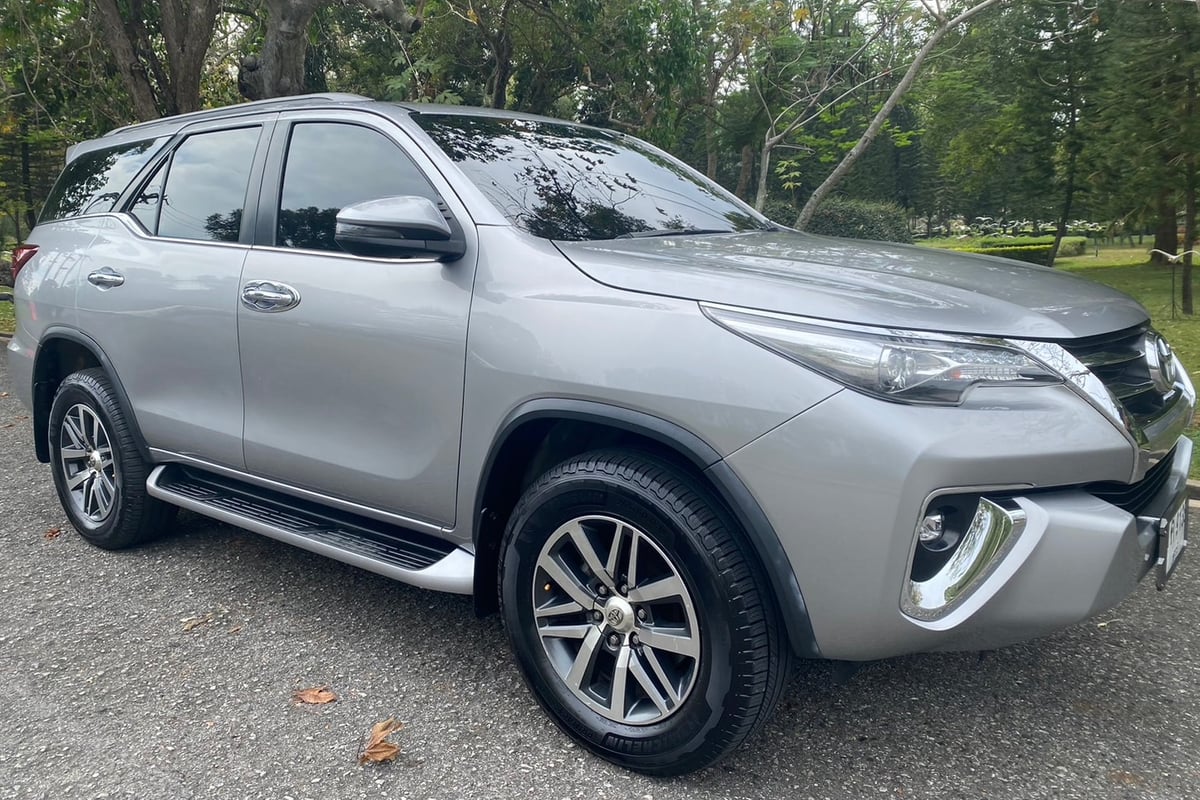
For travelers heading to Thailand and specifically the Pattaya area, working with established local providers often delivers better value than international chains. Reputable companies offer comprehensive first-class insurance and transparent pricing without hidden fees, making them competitive alternatives to branded rental agencies.
USAA Car Rental Claims Process
When accidents occur in rental vehicles, the claims process differs from standard auto claims. Understanding USAA's rental-specific procedures accelerates resolution and minimizes stress.
Step-by-step rental-car claim process:
- Secure the scene and ensure all parties are safe
- Contact local authorities if required by state law or rental agreement
- Notify USAA immediately at 1-800-531-USAA (8722)
- Notify the rental company following their specific accident procedures
- Document everything: photos of damage, police report number, witness information
- Do not admit fault or sign rental-company documents acknowledging liability
- Submit claim documentation to USAA within required timeframes
- Follow up on both USAA and rental-company claim tracks separately
Handling Rental-Company Damage Claims
Rental companies often present damage invoices directly to renters rather than insurance companies. If you declined CDW, these invoices should be forwarded to USAA immediately-do not pay them directly.
Common rental-company damage-claim issues:
- Pre-existing damage charged to you (prevention: photograph vehicle thoroughly at pickup)
- Inflated repair estimates exceeding market rates
- Administrative fees not clearly disclosed in the rental agreement
- Loss-of-use charges for unreasonable durations
USAA will negotiate directly with rental companies when you've properly reported the claim. Maintain copies of all correspondence and document your communication with both parties.
Planning Your Next Rental with USAA Benefits
Preparation maximizes USAA car rental benefits and minimizes complications. A pre-rental checklist ensures you've considered all relevant factors.
Pre-rental preparation checklist:
- Review current USAA policy coverage limits and deductibles
- Verify coverage extends to rental vehicle type and location
- Check credit-card rental coverage terms if applicable
- Compare rates through USAA Perks across multiple providers
- Calculate total cost with and without CDW acceptance
- Confirm young-driver fee waivers apply if relevant
- Save USAA claims phone number (1-800-531-8722) in your phone
- Screenshot rental reservation confirmation for travel files
- Pack copies of insurance cards and policy declarations
- Plan vehicle inspection/documentation strategy for pickup
This systematic approach prevents common oversights that lead to coverage disputes or unexpected costs.
Documentation Best Practices
Modern smartphones make comprehensive rental-vehicle documentation effortless. At pickup:
- Video-record a complete walk-around of the vehicle in good lighting
- Photograph the odometer, fuel gauge, and dashboard for timestamp verification
- Capture any existing damage, no matter how minor, with close-ups
- Document the rental agreement's damage acknowledgment section
- Note any verbal agreements or special conditions with rental-company staff
Repeat this process at return, ideally with a rental-company employee present to acknowledge the vehicle's condition. This documentation protects against fraudulent damage claims and provides evidence for USAA claims if legitimate damage occurs.
Understanding USAA car rental benefits-from partner discounts to insurance coverage nuances-empowers members to make informed decisions that balance cost savings with appropriate protection. Whether you're declining CDW based on strong USAA coverage or accepting it for peace of mind during international travel, knowing your options prevents expensive mistakes. When you're planning travel to Pattaya and need reliable, affordable transportation with transparent first-class insurance coverage, SPS Car Hire delivers the same commitment to value and protection that USAA members expect, backed by free delivery and no hidden fees.
 -
 -
 -
 -
 -
 -
 -