

The digital transformation of car rental services has revolutionized how travelers secure transportation worldwide. When searching for reliable vehicle rental options, understanding the platforms and processes that streamline bookings becomes essential for both leisure and business travelers. The alamo com platform represents one of several major online rental portals that connect customers with vehicles across thousands of locations. This comprehensive guide explores the mechanics of online car rental bookings, industry best practices, and strategies for securing the best deals while avoiding common pitfalls that can inflate costs or create service disappointments.
Understanding Modern Car Rental Platforms
Online car rental platforms have evolved significantly over the past decade, transforming from simple informational websites into sophisticated booking engines that process millions of transactions annually. These digital portals serve as the primary interface between rental companies and customers, offering real-time availability, dynamic pricing, and instant confirmation capabilities.
The Digital Booking Ecosystem
Modern rental platforms integrate multiple systems to deliver seamless customer experiences. Inventory management systems track vehicle availability across thousands of locations, while pricing algorithms adjust rates based on demand, seasonality, and competitive positioning. Payment gateways process transactions securely, and customer relationship management tools maintain booking histories and loyalty program data.
The infrastructure supporting these platforms requires substantial investment in technology and cybersecurity. Major rental companies allocate significant portions of their annual budgets to maintaining and upgrading these digital systems, recognizing that customer acquisition increasingly depends on online convenience and user experience quality.

Key Features of Professional Rental Websites
Professional car rental platforms share common features that distinguish them from less sophisticated competitors:
- Real-time availability across multiple vehicle categories
- Transparent pricing with clear breakdowns of fees and charges
- Flexible modification and cancellation policies
- Loyalty program integration for frequent renters
- Mobile optimization for smartphone bookings
- Multilingual support for international customers
These features represent baseline expectations for travelers in 2026. Companies failing to deliver these capabilities risk losing market share to competitors who prioritize digital excellence.
Navigating the Alamo Com Booking Process
When visitors access alamo com or similar rental platforms, they encounter a structured booking workflow designed to capture essential information while minimizing friction. Understanding this process helps customers prepare necessary details in advance and complete reservations efficiently.
Step-by-Step Reservation Guide
The typical online booking process follows a logical sequence:
- Enter pickup and return locations with specific dates and times
- Browse available vehicle categories with pricing for the selected period
- Select desired vehicle class based on passenger capacity and luggage requirements
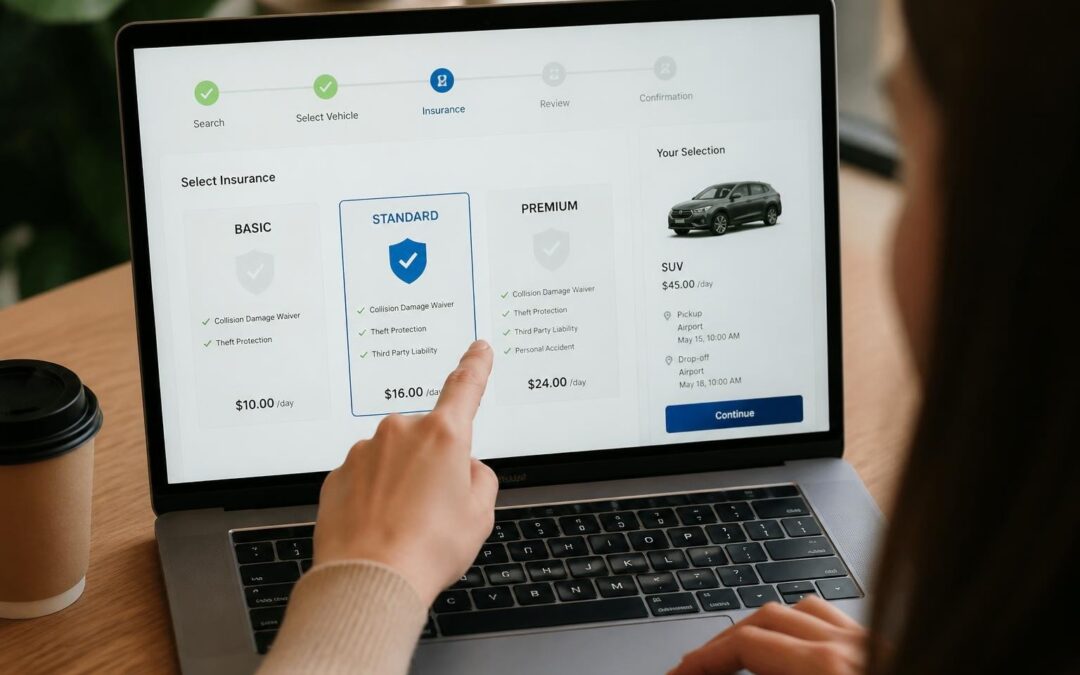
- Review and add coverage options including insurance and protection plans
- Provide driver information and payment details
- Confirm reservation and receive booking confirmation number
Each step presents opportunities for upselling additional services or upgrades. Savvy customers recognize which add-ons provide genuine value versus those that generate profit margins for rental companies without substantial customer benefit.
| Booking Stage | Average Time | Common Issues |
|---|---|---|
| Search & Selection | 3-5 minutes | Limited availability during peak seasons |
| Coverage Options | 2-4 minutes | Confusion about insurance duplicates |
| Payment Processing | 1-2 minutes | Credit card authorization holds |
| Confirmation | 1 minute | Email delivery delays |
Optimizing Your Search Strategy
Strategic approaches to searching alamo com and similar platforms can yield significant savings. Flexibility with pickup dates often reveals pricing variations of 20-30% for rentals just days apart. Similarly, comparing airport versus downtown locations may uncover substantial differences, though convenience factors must be weighed against potential savings.
Advanced searchers utilize multiple devices and clear browser cookies between searches, as some platforms employ dynamic pricing that responds to repeated searches from the same user. While controversial, this practice reflects broader e-commerce trends toward personalized pricing strategies.
Insurance and Protection Considerations
Insurance represents one of the most complex and potentially expensive aspects of car rentals. The alamo com platform and competitors offer multiple coverage tiers, each with specific terms, conditions, and pricing structures that require careful evaluation.
Understanding Coverage Types
Rental insurance typically encompasses several distinct protection categories:
Collision Damage Waiver (CDW) limits financial responsibility for vehicle damage, though it technically functions as a waiver rather than true insurance. Liability Protection covers damages to other vehicles or property in accidents where the renter bears responsibility. Personal Accident Insurance provides medical coverage for the driver and passengers, while Personal Effects Coverage protects belongings stolen from the rental vehicle.
Many travelers already possess adequate coverage through personal auto insurance policies or credit card benefits. Reviewing existing coverage before purchasing rental insurance prevents unnecessary duplicate protection that wastes money without enhancing security.

Making Informed Coverage Decisions
Professional travelers develop systematic approaches to insurance decisions. They contact their personal insurance agents annually to confirm rental coverage details and maintain documentation of credit card benefits that apply to car rentals. This preparation enables confident declination of unnecessary coverage at rental counters where time pressure and sales tactics often lead to expensive impulse decisions.
For international rentals or specialty vehicles, additional coverage often makes financial sense. Exotic cars, large vans, or luxury vehicles may exceed standard policy limits, making supplemental insurance a prudent investment rather than an unnecessary expense.
Maximizing Value Through Loyalty Programs
Major car rental companies, including those accessible through alamo com, operate sophisticated loyalty programs designed to encourage repeat business and gather customer data. These programs offer genuine value for frequent renters while creating switching costs that reduce competitive shopping.
Program Benefits and Tiers
Rental loyalty programs typically feature tiered structures:
- Base membership: Faster checkout, special promotions, no enrollment fee
- Mid-tier status: Free upgrades, priority service, bonus point earnings
- Elite status: Dedicated counters, premium vehicle access, guaranteed availability
Achieving elite status requires substantial annual spending, typically $2,500-5,000 in rental charges. For business travelers or those taking frequent road trips, the benefits justify the spending threshold. Leisure travelers renting occasionally find greater value in credit card partnerships or promotional offers than pursuing status qualification.
Regional Rental Strategies for Thailand
While platforms like alamo com serve global markets, regional rental dynamics vary significantly. The car rental landscape in Thailand presents unique considerations that international travelers should understand before booking.
Local Market Characteristics
Thailand's rental market combines international brands with local operators who often provide superior value for extended rentals or specialized needs. Traffic patterns, insurance requirements, and vehicle availability differ substantially from Western markets, requiring research beyond standard booking platforms.
Local operators in destinations like Pattaya frequently offer comprehensive first-class insurance and complimentary delivery services that international chains charge premium rates to provide. For travelers spending significant time in specific regions, establishing relationships with reputable local companies delivers better long-term value than booking through global platforms for each rental period.
When planning extended stays in Thailand, compare the offerings available through local Pattaya services against international platforms. The combination of lower base rates, included insurance, and personalized service often results in superior overall experiences.

Hidden Fees and Pricing Transparency
The car rental industry has faced ongoing criticism regarding fee structures that obscure true rental costs. While platforms like alamo com display base rates prominently, the final price often includes numerous additional charges that substantially increase total expenses.
Common Fee Categories
Rental invoices typically include charges beyond the advertised daily rate:
Airport concession fees compensate rental facilities for operating at terminals and can add 10-15% to total costs. Young driver surcharges apply to renters under 25, sometimes reaching $25-35 daily. Additional driver fees range from $10-15 per day per extra authorized driver. One-way rental charges for returns to different locations vary widely, from nominal amounts to hundreds of dollars.
Fuel policies significantly impact final costs. Pre-purchase fuel options typically charge premium rates compared to local gas station prices, while return-full policies require careful attention to avoid expensive refueling charges for returns with partial tanks.
| Fee Type | Typical Range | Avoidable? |
|---|---|---|
| Airport Surcharge | 10-15% | Choose off-airport locations |
| Young Driver | $15-35/day | Wait until age 25 or use specific programs |
| Additional Driver | $10-15/day | Check loyalty program benefits |
| GPS Rental | $10-15/day | Use smartphone navigation |
| Toll Pass | $5-10/day | Pay tolls directly |
Reading the Fine Print
Successful rental customers develop habits of thorough terms review before confirming bookings. Cancellation policies, modification fees, and mileage restrictions vary significantly between rental companies and vehicle categories. Understanding these terms prevents unpleasant surprises when plans change or unexpected charges appear on credit card statements.
The evolving car rental industry continues adapting business models to balance profitability with customer satisfaction, making ongoing awareness of industry practices essential for informed consumer decisions.
Vehicle Selection and Upgrade Strategies
Choosing appropriate vehicles through alamo com or competing platforms requires balancing passenger comfort, luggage capacity, fuel efficiency, and cost considerations. Understanding vehicle categorization systems helps customers select optimal options without overpaying for unnecessary features.
Decoding Rental Categories
Rental companies group vehicles into standardized categories:
Economy and compact cars offer maximum fuel efficiency and lowest base rates, suitable for solo travelers or couples with minimal luggage. Intermediate and standard sedans provide additional passenger and cargo space for small families or business travelers. Full-size and premium vehicles deliver enhanced comfort and features for longer journeys or special occasions.
SUVs and minivans accommodate larger groups or extensive cargo, with pricing reflecting both vehicle value and reduced fuel economy. Specialty categories including convertibles, luxury vehicles, and trucks serve specific needs at premium pricing levels.
Smart Upgrade Approaches
Upgrade strategies fall into two categories: proactive booking of desired categories versus accepting counter offers at pickup. Booking specific vehicle classes guarantees availability during peak periods and allows accurate trip budgeting. Counter upgrades sometimes offer better value, particularly during low-demand periods when rental companies have excess premium inventory.
Experienced renters politely inquire about upgrade pricing during check-in but avoid high-pressure sales tactics promoting expensive vehicles they don't genuinely need. The marginal utility of premium features rarely justifies daily rate increases of $30-50 for typical travel purposes.
Seasonal Demand and Booking Timing
Rental pricing fluctuates based on demand patterns that vary by location, season, and local events. Understanding these dynamics enables strategic booking timing that captures lowest available rates.
Peak Season Planning
Major holidays, spring break periods, and summer vacation months see dramatic price increases in popular destinations. Advance booking windows of 4-6 weeks typically offer optimal pricing for peak travel periods, balancing early-bird discounts against the risk of finding better last-minute deals.
Conversely, shoulder seasons and weekdays frequently feature promotional pricing designed to utilize idle vehicle inventory. Business travelers enjoy particular advantages, as corporate rental needs concentrate Monday through Thursday, leaving excess weekend inventory that companies discount aggressively.
Cross-Border and International Rentals
International car rentals through platforms like alamo com introduce additional complexity regarding insurance coverage, driver licensing, and vehicle restrictions. Proper preparation prevents complications that could derail travel plans.
Documentation Requirements
Most countries accept valid driver's licenses from major nations for tourist rentals, though some require International Driving Permits as supplementary documentation. Researching specific destination requirements prevents last-minute scrambles or rental denials at pickup counters.
Age restrictions vary internationally, with some European countries imposing upper age limits of 70-75 years and minimum ages exceeding the standard 25-year threshold. Premium vehicle categories often carry elevated age requirements regardless of location.
Technology Integration and Mobile Solutions
The car rental sector continues embracing technology innovations that streamline customer experiences and reduce operational costs. Mobile applications now handle functions previously requiring in-person counter interactions.
Digital Check-In and Keyless Access
Leading rental companies offer mobile check-in that allows customers to complete paperwork, select specific vehicles, and receive digital keys directly through smartphone applications. This technology eliminates counter queues and reduces pickup times to minutes rather than the traditional 15-30 minute process.
Keyless entry systems enable customers to unlock and start vehicles using Bluetooth connections, while GPS tracking provides rental companies with real-time vehicle location data for fleet management and theft prevention purposes.
Customer Service and Problem Resolution
Despite technological advances, car rental challenges still arise requiring effective customer service interactions. Understanding escalation procedures and documentation practices protects customer interests when problems occur.
Common Issues and Solutions
Rental experiences occasionally involve vehicle mechanical problems, damage disputes, or billing errors. Successful resolution begins with thorough documentation including photographs of pre-existing damage during pickup inspection and retention of all rental agreements and receipts.
When problems arise, customers should address concerns immediately with on-site management before leaving rental facilities. Unresolved issues escalate through corporate customer service channels, with persistent problems potentially requiring credit card dispute processes or regulatory complaints.
Environmental Considerations and Alternative Fuels
Growing environmental consciousness influences vehicle selection and rental company practices. Many platforms now highlight hybrid and electric vehicle options for customers prioritizing sustainability.
Electric Vehicle Rentals
EV rentals require additional planning regarding charging infrastructure availability along intended routes. Range anxiety concerns diminish as charging networks expand, though rural areas may still present challenges for long-distance electric vehicle travel.
Rental rates for electric vehicles vary by market, sometimes commanding premiums over comparable conventional vehicles while other markets price them competitively to encourage adoption. Fuel cost savings often offset higher daily rates for extended rentals.
Understanding the complexities of online car rental platforms, from booking procedures to insurance decisions and pricing strategies, empowers travelers to secure optimal value while avoiding common pitfalls. Whether accessing alamo com or exploring alternative providers, informed customers make decisions aligned with their specific needs and budgets. For travelers visiting Thailand's vibrant destinations, SPS Car Hire delivers exceptional value through competitive pricing, comprehensive first-class insurance, and complimentary delivery throughout Pattaya, combining the convenience of online booking with the personalized service of local expertise.
 -
 -
 -
 -
 -
 -
 -