


Business transportation needs have evolved dramatically in recent years, with commercial operators demanding vehicles that deliver reliability, efficiency, and cost-effectiveness across diverse applications. The enterprise van has emerged as the backbone of modern fleet operations, serving businesses from last-mile delivery services to mobile maintenance teams. Understanding how to select, manage, and optimize these versatile workhorses determines whether your fleet becomes a competitive advantage or a constant drain on resources.
Understanding Enterprise Van Categories and Applications
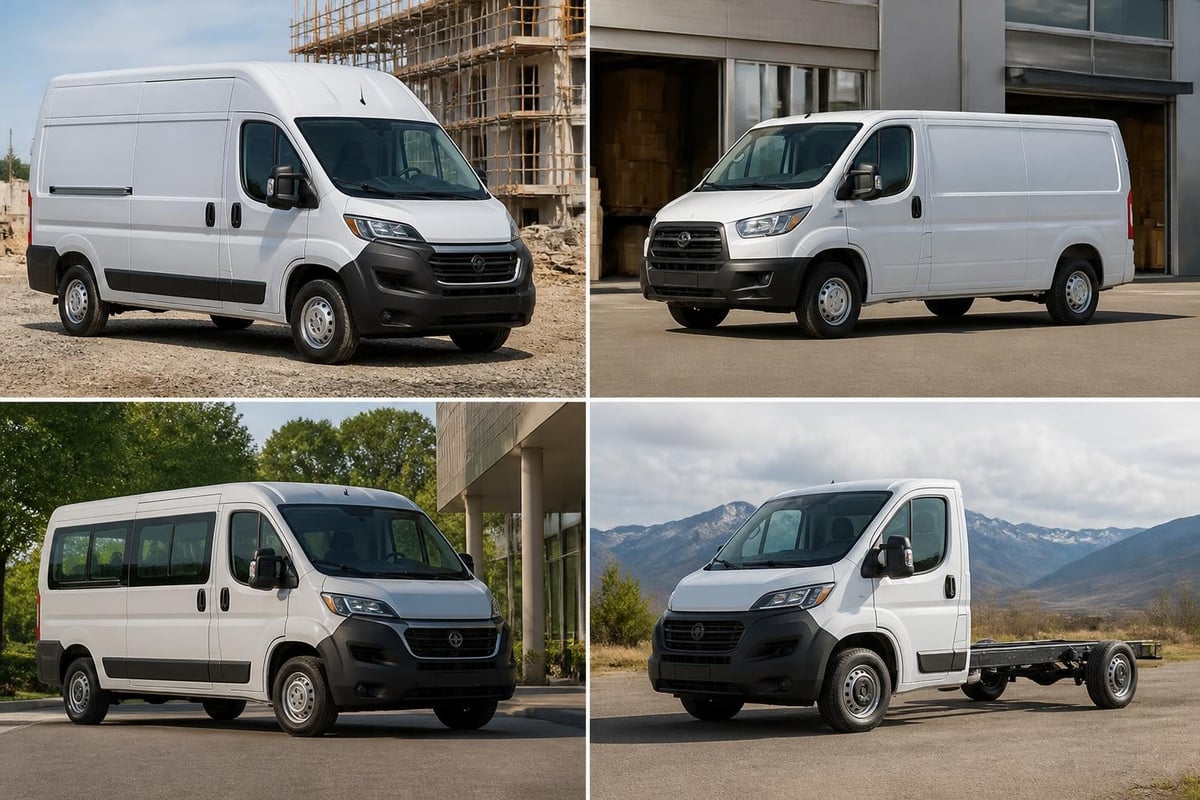
The term enterprise van encompasses several distinct vehicle classes, each engineered for specific operational demands. Commercial operators must align vehicle characteristics with mission profiles to maximize return on investment.
Full-size cargo vans dominate package delivery and trade services, offering maximum payload capacity and interior volume. These workhorses typically provide 250-450 cubic feet of cargo space with payload ratings between 3,000-4,500 pounds.
Mid-size cargo vans bridge the gap between maneuverability and capacity. Popular with urban delivery services and small contractors, these models offer 130-250 cubic feet of space while maintaining tighter turning radii for congested environments.
Passenger Configurations for Business Use
Passenger enterprise van models serve shuttle services, hospitality providers, and employee transportation needs. Configurations range from 8-passenger executive shuttles to 15-passenger high-capacity models.
- Extended-length variants maximize seating capacity
- Premium trim packages enhance client-facing impressions
- Mobility-accessible configurations meet ADA requirements
- Dual cargo-passenger designs offer operational flexibility
Chassis cab platforms provide the ultimate customization foundation. Fleet managers spec these bare-chassis variants with specialized bodies from refrigerated boxes to aerial lift platforms, creating purpose-built enterprise van solutions unavailable in factory configurations.
Fleet Selection Criteria for Enterprise Van Procurement
Selecting the right enterprise van requires systematic evaluation across multiple performance dimensions. Total cost of ownership (TCO) analysis reveals the true financial impact beyond initial purchase price.
| Cost Factor | Impact on TCO | Evaluation Period |
|---|---|---|
| Acquisition price | 15-25% | One-time |
| Fuel/energy costs | 30-40% | 3-5 years |
| Maintenance/repairs | 20-30% | Vehicle lifetime |
| Insurance/registration | 10-15% | Annual |
| Residual value | 15-20% | End of service |
Powertrain selection fundamentally shapes operating economics. Traditional internal combustion engines offer proven reliability and established service infrastructure. Diesel variants deliver superior fuel economy on highway routes, while gasoline engines reduce maintenance complexity and upfront costs.
The electrification wave is transforming enterprise van options across global markets. European commercial vehicle registrations show electric vans capturing growing market share as battery technology improves and charging infrastructure expands. Forward-thinking fleet managers evaluate electric enterprise van options through operational lens rather than simply comparing purchase prices.
Payload and Dimensional Requirements
Right-sizing ensures vehicles match actual workload demands without carrying unnecessary capacity or sacrificing operational capability. Overbuilt fleets waste capital on unused capability; underbuilt fleets force expensive retrofits or supplemental rental agreements.
Calculate average and peak payload requirements across typical duty cycles. Factor in weight distribution, cargo securing points, and dimensional envelope. A plumbing contractor hauling pipe requires different interior configuration than a florist delivering arrangements.
Document precise measurements for:
- Cargo floor length from bulkhead to rear doors
- Interior height accounting for roof-mounted equipment
- Door opening dimensions for loading/unloading workflow
- Wheelbase length affecting maneuverability versus stability
Enterprise Van Fleet Management Best Practices
Effective fleet management transforms individual enterprise van units into integrated business assets. Operators who implement systematic management protocols reduce downtime, extend vehicle lifespan, and improve driver satisfaction.
Preventive maintenance programs form the foundation of reliable fleet operations. Establish service intervals based on manufacturer recommendations and actual operating conditions. Harsh environments, frequent short trips, and heavy loads accelerate wear patterns requiring adjusted maintenance schedules.
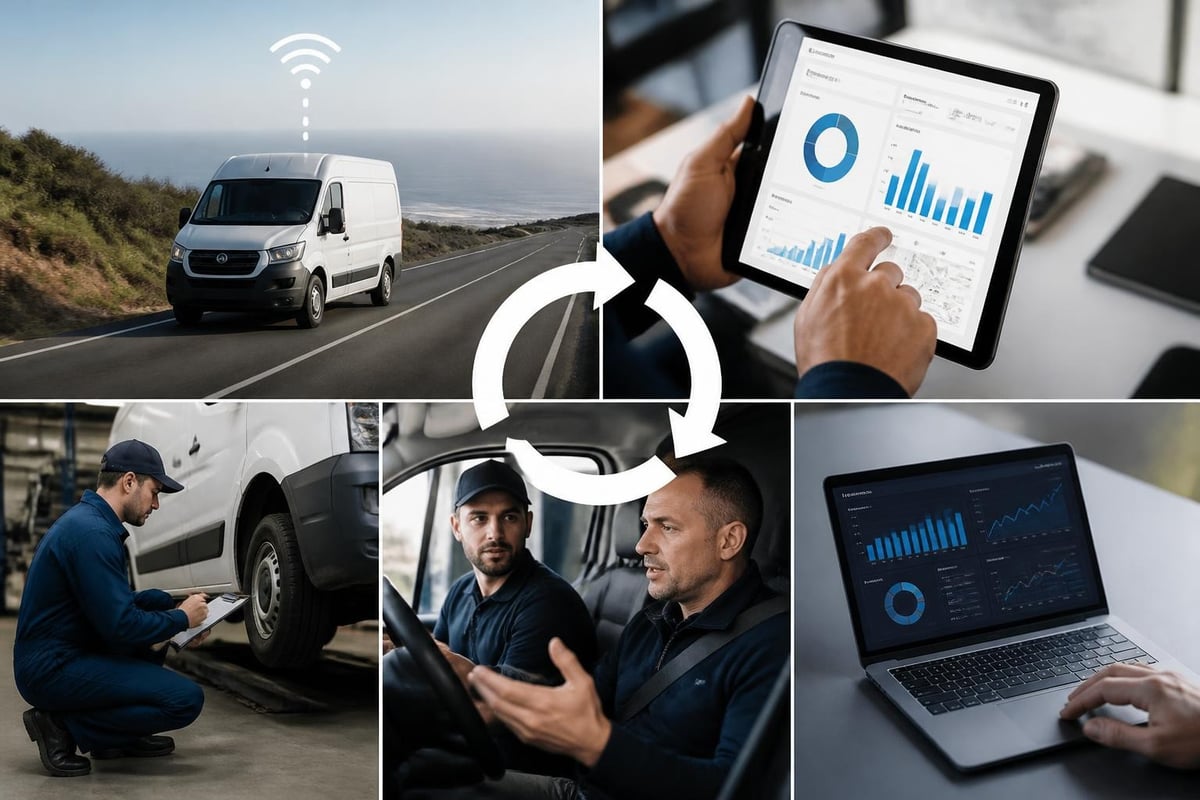
Fleet management technology has revolutionized operational oversight through connected telematics systems. GPS tracking, diagnostic monitoring, and driver behavior analysis provide real-time insights previously unavailable to commercial operators.
Telematics Integration and Data-Driven Optimization
Modern enterprise van fleets generate valuable operational data streams that inform strategic decisions. Telematics platforms capture metrics including fuel consumption, idle time, route efficiency, maintenance alerts, and driver performance indicators.
Organizations implementing comprehensive telematics report:
- 15-25% reduction in fuel consumption through route optimization
- 20-35% decrease in accident rates via driver coaching
- 30-40% improvement in maintenance cost predictability
- Reduced insurance premiums through monitored driver programs
Driver training and accountability systems leverage telematics data to improve safety and efficiency. Harsh braking events, excessive speed, and prolonged idling trigger automatic alerts enabling timely intervention before minor issues escalate into costly incidents.
Electric Enterprise Van Transition Strategy
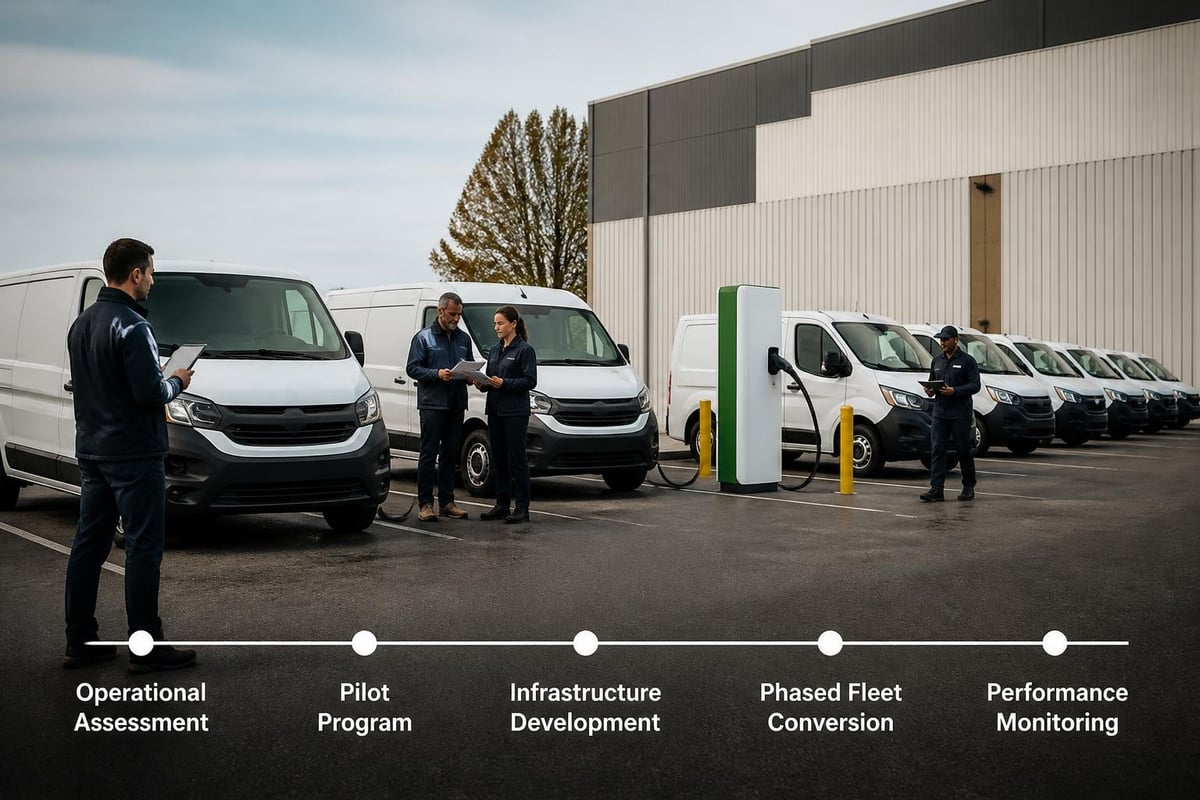
The shift toward electric powertrains represents the most significant evolution in commercial vehicle technology in decades. Fleet operators must develop structured transition roadmaps that minimize disruption while capturing electrification benefits.
Greenhouse gas regulations continue tightening emission standards for commercial vehicles, creating regulatory pressure favoring zero-emission options. Forward-planning fleet managers integrate regulatory trends into long-term procurement strategies.
Operational Analysis for Electrification Readiness
Not all enterprise van applications suit immediate electrification. Methodical route analysis identifies ideal candidates for electric conversion versus operations requiring continued internal combustion capability.
Urban delivery routes with predictable mileage, frequent stops, and consistent return-to-base operations represent perfect electric enterprise van applications. Battery ranges now exceed 150-250 miles fully loaded, covering typical daily requirements while overnight charging replenishes capacity.
Long-haul transportation, remote service territories, and cold-weather operations present greater electrification challenges. Battery performance degrades in extreme temperatures, and charging infrastructure remains sparse in rural regions. These applications may warrant hybrid technology or delayed electrification until infrastructure matures.
| Application Type | Electrification Readiness | Primary Consideration |
|---|---|---|
| Urban last-mile delivery | High | Daily range <100 miles |
| Regional distribution | Medium | Charging infrastructure |
| Rural/remote service | Low | Range/charging availability |
| Temperature-controlled | Medium | Battery climate impact |
| Emergency/utility | Low | Mission-critical reliability |
The DOE Alternative Fuels Data Center provides comprehensive resources for evaluating electric enterprise van options, including vehicle specifications, charging equipment, and incentive programs. Fleet managers benefit from this authoritative database when building business cases for electrification investments.
Infrastructure and Operational Integration
Successful enterprise van electrification extends beyond vehicle procurement to encompass charging infrastructure, facility modifications, and workflow adjustments. Inadequate planning creates bottlenecks that undermine electrification benefits.
Charging infrastructure planning requires coordination between facility management, electrical contractors, and utility providers. Level 2 charging (240V) handles most overnight fleet charging needs, delivering 20-30 miles of range per charging hour. DC fast charging accelerates replenishment for high-utilization fleets but demands substantial electrical service upgrades.
Calculate total electrical demand by multiplying maximum simultaneous charging vehicles by charger power ratings. A 20-vehicle fleet with 7.2kW Level 2 chargers requires 144kW service capacity plus existing facility loads. Many operations require utility service upgrades costing $50,000-$200,000 depending on distance from transformers and existing infrastructure.
Fleet Replacement Cycles and Mixed Operations
Transitioning from conventional to electric enterprise van fleets occurs gradually through natural replacement cycles. Mixed-fleet operations require standardized processes accommodating both powertrains during transition periods.
Develop powertrain-specific standard operating procedures for:
- Daily pre-trip inspections adapted to electric systems
- Refueling/recharging protocols ensuring adequate range
- Winter operation procedures managing cold-weather performance
- Emergency response plans addressing powertrain-specific scenarios
Driver training programs must address operational differences between conventional and electric enterprise van platforms. Regenerative braking, range management, and charging protocols differ fundamentally from traditional refueling workflows.
Cost Analysis and Financial Optimization
Enterprise van economics extend across acquisition, operation, maintenance, and disposition phases. Sophisticated fleet managers optimize each phase to minimize total ownership costs while maintaining operational capability.
Acquisition strategies leverage volume discounts, manufacturer incentives, and strategic timing. End-of-model-year purchasing captures substantial discounts as dealers clear inventory. However, waiting sacrifices productive vehicle deployment, creating opportunity costs that may exceed purchase savings.
Lease versus purchase decisions depend on utilization patterns, tax considerations, and technological obsolescence risk. High-mileage operations favor ownership, while rapidly evolving technology or uncertain demand suggests leasing flexibility. Electric enterprise van adoption amplifies obsolescence concerns as battery technology continues rapid advancement.
Maintenance Cost Management
Proactive maintenance programs reduce total ownership costs while improving reliability and resale values. Deferred maintenance creates cascading failures that exponentially increase repair expenses and vehicle downtime.
Electric enterprise van maintenance differs substantially from conventional models. Elimination of engine oil changes, transmission services, and exhaust system maintenance reduces scheduled service requirements by approximately 40%. However, battery conditioning, high-voltage system inspections, and specialized technician training introduce new maintenance considerations.
Rocky Mountain Institute’s electrification guide provides detailed operational recommendations for commercial fleets transitioning to electric vehicles. Fleet managers benefit from real-world case studies and practical implementation frameworks developed through extensive industry research.
Specialized Enterprise Van Applications
Beyond standard cargo and passenger transport, enterprise van platforms serve specialized commercial needs through aftermarket modifications and purpose-built configurations. Understanding these applications helps operators maximize vehicle utility.
Mobile workshop configurations transform cargo vans into traveling service centers. HVAC technicians, electricians, and equipment repair specialists outfit enterprise van interiors with parts storage, power tools, and diagnostic equipment. Properly configured mobile workshops reduce job-completion time by 25-40% versus traditional truck-trailer combinations.
Refrigerated enterprise van units serve catering, pharmaceutical, and specialty food distribution markets. Temperature-controlled cargo compartments maintain precise environmental conditions for sensitive products. Electric enterprise van refrigeration offers advantage through battery-powered compressors operating silently during urban deliveries without idling engines.
Commercial Passenger Transport Solutions
Hotels, airports, and tourism operators rely on passenger enterprise van configurations for guest transportation. Professional presentation, comfort features, and reliability determine guest satisfaction and operational reputation.
For businesses operating in tourist destinations like Pattaya, reliable transportation solutions are essential. SPS Car Hire offers comprehensive vehicle rental services with first-class insurance coverage and convenient delivery throughout the Pattaya area, supporting both business operations and visitor transportation needs.

Quality passenger enterprise van specifications include:
- Individual climate controls for passenger comfort
- Entertainment systems for extended journeys
- Premium seating with ergonomic support
- Accessibility features for mobility-impaired passengers
- Professional driver interfaces separating operator from passenger areas
Regulatory Compliance and Safety Standards
Enterprise van operations must comply with evolving safety regulations, emission standards, and commercial vehicle requirements. Non-compliance exposes operators to fines, liability exposure, and operational restrictions.
Commercial licensing requirements vary by jurisdiction and vehicle specifications. Gross vehicle weight rating (GVWR), passenger capacity, and commercial use designation determine necessary driver qualifications and vehicle classifications. Operators must verify compliance across all operating territories to avoid enforcement actions.
Safety technology mandates continue expanding across global markets. Electronic stability control, automatic emergency braking, and blind-spot monitoring transition from premium features to regulatory requirements. When evaluating enterprise van options, verify standard and available safety systems against current and pending requirements.
Vehicle inspection and maintenance documentation creates legal defensibility in accident investigations and regulatory audits. Implement digital record-keeping systems capturing all service events, repairs, and inspections with timestamp authentication and secure storage.
Enterprise van fleet success requires matching vehicle specifications to operational demands, implementing systematic management protocols, and planning strategic technology transitions. From cargo capacity optimization to electrification roadmaps, informed decisions maximize return on investment while maintaining service quality. Whether you're establishing new fleet operations or optimizing existing transportation assets in Pattaya, SPS Car Hire delivers competitive rental solutions with comprehensive insurance coverage and convenient vehicle delivery, helping businesses access quality transportation without long-term capital commitments.
 -
 -
 -
 -
 -
 -
 -