

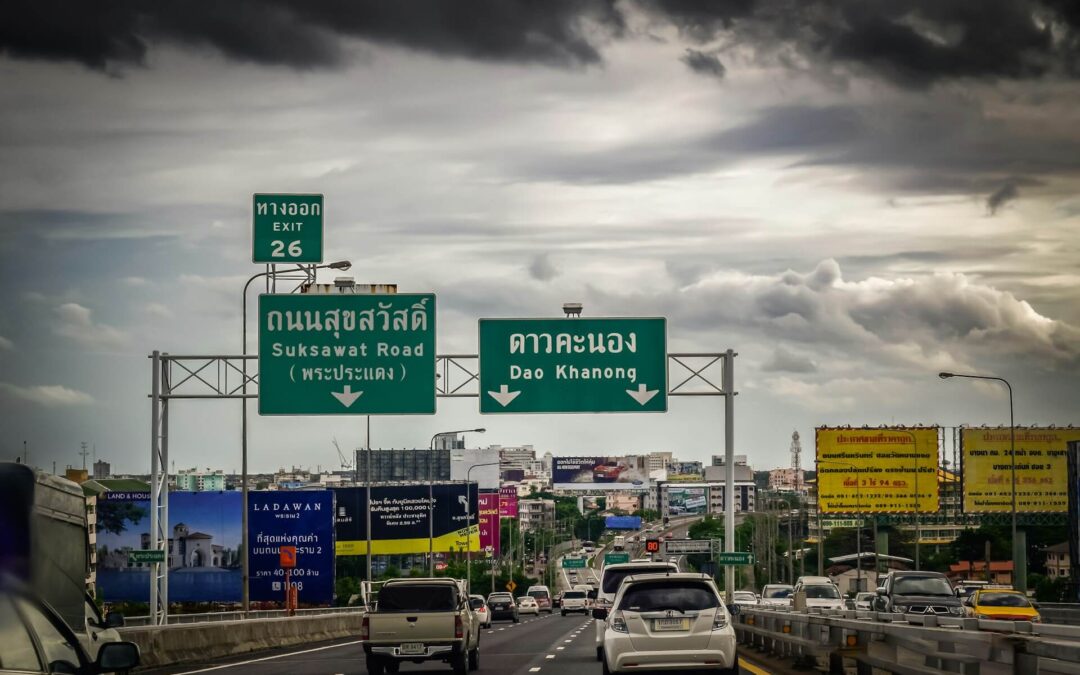
Many travellers worry about paperwork and road rules when Driving Across Thailand In 2026 in a rental car.
You must carry your home licence and an International Driving Permit, or you risk fines and rental cancellation.
This guide will explain rental steps, updated traffic laws, M-Flow tolls, safety tips and navigation tools to help you plan trips with confidence.
Read on for clear, practical tips.
Renting a Car in Thailand: Essential Information
Renting a car in Thailand can be a fun and easy way to explore. You’ll want to check the rules for your International Driving Permit before you book anything.
What are the International Driving Permit (IDP) Requirements?
Carry both your home country driver’s licence and an International Driving Permit. Thai police and rental car firms now enforce this strictly.
- Check validity before travel, the IDP must accompany your original licence and passport.
- Obtain the IDP from your home motoring authority before departure, most countries issue it through their national automotive clubs.
- Present the IDP to the rental car company at pickup, many firms in Thailand require it as mandatory documentation.
- Keep physical copies in the car, police often request to see originals during roadside checks.
- Expect increased roadside enforcement since 2025, officers now stop more foreign drivers for document checks.
- Avoid fines and rental cancellation, failing to carry both documents can lead to penalties up to ฿4,000 and refusal of the vehicle.
- Confirm the IDP language covers Thai traffic officers, unclear permits can cause delays or extra charges.
- Pair the IDP with suitable insurance proof, local insurance rules form part of many rental procedures.
- Store the rental agreement and contact details with the IDP, staff or police may ask for the contract during a stop.
- Update your plan for 2026 travel, carry the IDP for longdistance drives and toll road use, such as M-Flow routes.
How Do Rental Agreements and Deposits Work?
Rental agreements list required documents, rental period, and deposit terms. Your home driver’s licence and an International Driving Permit, dated and valid, must sit with you at all times.
Many rental companies made the IDP mandatory after 2025. Companies will freeze a security deposit on your credit card, or ask for cash. Fines for traffic violations can reach ฿4000, and roadside checks grew after stricter rules in 2025.
Check the agreement line by line, ask about toll charges and insurance options.
Deposits often show as an authorisation, not a charge, and clear when you return the car in good condition. Ask about local insurance options, excess levels, and how M-Flow tolls work on highways.
Pick navigation tools that show toll routes and live traffic. Expect fluid lane use and motorcycles that weave between cars, so leave more space on longdistance trips and aim for mid-morning departures and evening returns.
Next, read about updated fines and other traffic rules.
Key Traffic Laws and Regulations in 2026
Traffic laws in Thailand are changing in 2026. New fines will apply for various violations, so drivers must stay updated and obey the rules.
What Are the Updated Fines for Traffic Violations?
Here are the updated fines and what they mean for foreign drivers in 2026.
| Violation | Fine (THB) | Notes / Enforcement |
| Driving without IDP or home licence | Up to ฿4,000 | Foreign drivers must carry both documents. Many rental firms refuse rentals without an International Driving Permit. Fines may trigger rental cancellation. |
| Driving under the influence of alcohol or drugs | Up to ฿4,000 plus possible arrest | Stricter rules since 2025 increased roadside checks. Police use breath and blood tests more often. |
| Speeding | ฿400 to ฿4,000 | Highways use cameras and patrols. Mid-morning departures reduce time in heavy traffic, but do not reduce enforcement. |
| No seatbelt | ฿500 to ฿2,000 | Front and rear belt use is enforced. Rental insurance may not cover injuries if seatbelts were not used. |
| Using mobile phone while driving | ฿400 to ฿4,000 | Police issue fines on the spot. Hands-free navigation is recommended for safety and compliance. |
| Helmet non-compliance for motorcyclists | ฿200 to ฿1,000 | Motorcycles weave through traffic in Thai driving culture, raising risk. Rental car drivers should watch for sudden lane changes. |
| Dangerous overtaking / reckless driving | ฿1,000 to ฿4,000 | Offences attract heavy fines and possible licence suspension. Increased roadside enforcement targets reckless behaviour. |
| Illegal parking / blocking traffic | ฿200 to ฿2,000 | Cities tow more frequently. Evening returns after sunset can help avoid daytime congestion, but watch parking rules. |
| Failing to pay M-Flow tolls | Variable, up to ฿4,000 | M-Flow is central to expressway travel. Ensure rental includes toll arrangements and navigation shows M-Flow lanes. |
| Driving with expired documents or no insurance | ฿500 to ฿4,000 | Carry proof of insurance and rental paperwork. Check local insurance options before you collect the car. |
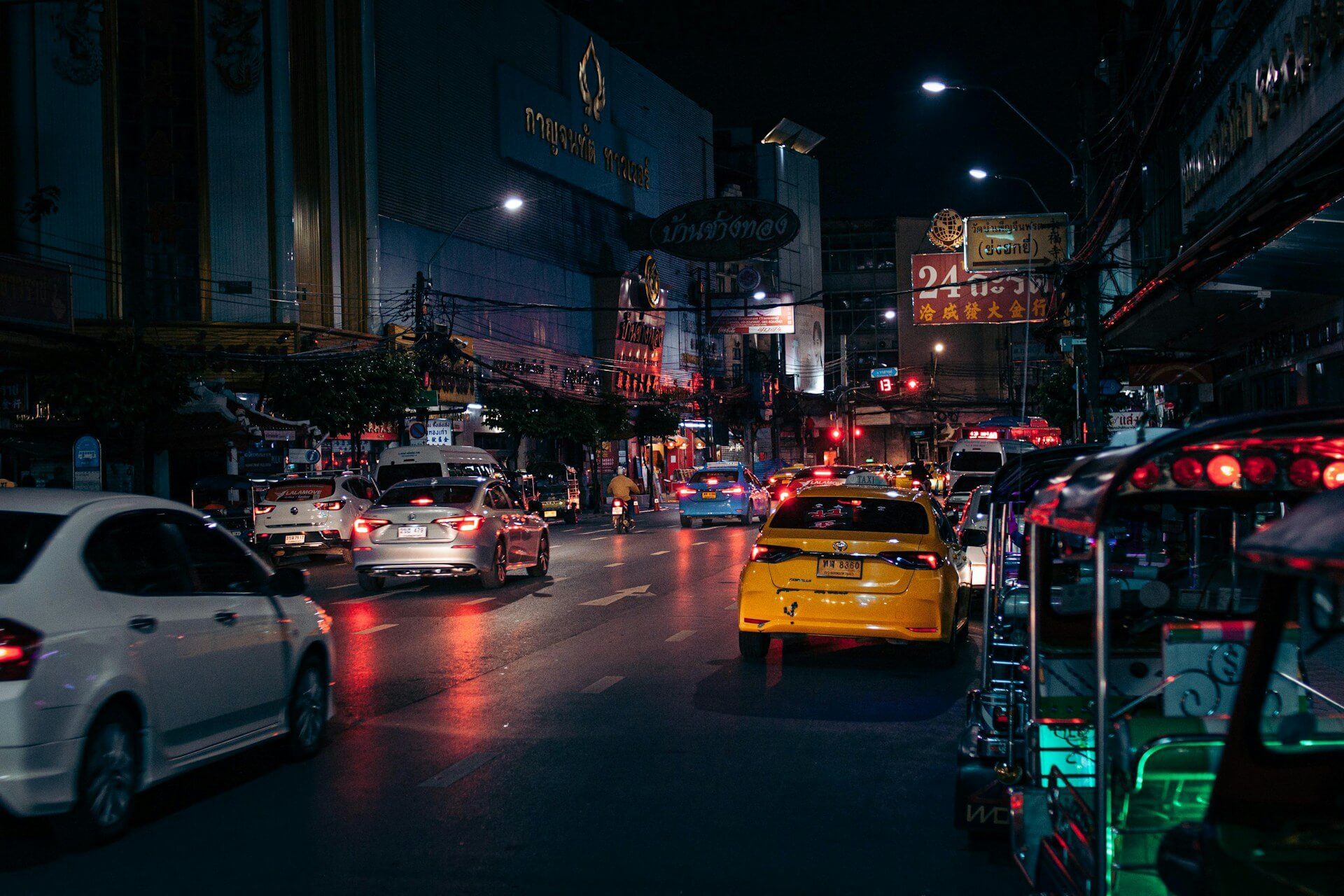
What Are the Rules on Drunk Driving and Substances?
After the fines update, Thailand tightened rules on drunk driving and substances. Foreign drivers must carry their home country driving licence and an International Driving Permit, many rental car companies make the IDP mandatory before they hand over keys.
Authorities raised enforcement since 2025, and roadside checks rose sharply, with fines for offences reaching up to ฿4000. Police can cancel rentals or fine drivers, and rental deposits may be held if you break substance laws.
Police run frequent breath tests on highways, so expect random stops while driving across Thailand in a rental car. Plan trips to avoid late night travel, leave mid-morning for long distance journeys, and return after sunset if that fits your schedule.
Use reliable navigation tools and check local insurance options before you sign any rental agreement. Watch for fluid lane discipline and motorcycles that weave between cars, and pay attention to M-Flow tolls on major routes.
Tips for Driving Safely in Thailand
Driving in Thailand can be a fun adventure, but safety is key. Always stay alert and watch for local driving habits that might surprise you… Use apps to help find your way around and avoid getting lost on those scenic roads.
How Can I Navigate Roads and Local Driving Habits?
Thai roads can be tricky for new drivers. Traffic rules are stricter now than before, especially for foreign drivers. Fines for violations can reach ฿4000, so it’s wise to follow the laws closely.
The driving culture here is different too. Cars often weave around each other, and motorcycles zip between lanes.
Use good navigation tools to find your way easily. GPS apps work well in Thailand and help avoid traffic jams. Mid-morning departures are best for long trips; they let you skip the morning rush hour.
Evening returns allow more time to see sights without worrying about day traffic later on.
Be aware of local customs while driving!
Understanding these tips will make your trip smoother as you explore Thailand’s beautiful attractions next!
How Do I Use Navigation Tools Effectively?
Using navigation tools effectively can make your drive across Thailand much easier. With the right apps and devices, you can avoid stress and reach your destinations smoothly.
- Select a reliable navigation app. Popular choices include Google Maps and Waze. These tools provide real-time updates on traffic.
- Download offline maps before you travel. This option comes in handy where internet connection may be weak or unavailable. It ensures you can still find your way.
- Set your destination in advance. Entering your location while parked is safer than doing it while driving. This helps prevent distractions on the road.
- Use voice directions for hands-free navigation. Turning on voice prompts allows you to focus on driving instead of staring at the screen.
- Familiarise yourself with Thai road signs using maps or online resources before hitting the road. Understanding these signs makes it easier to follow local rules and stay safe.
- Check for toll roads along your route, especially M-Flow tolls in Thailand’s highway system, which require specific payment methods; knowing this ahead saves time and hassle during your journey.
- Keep battery backup options nearby, like portable chargers or car chargers; this ensures that your navigation tool remains powered throughout long drives.
- Look out for local driving habits by observing others around you; getting used to fluid lane discipline and motorbikes weaving between cars is key for safe driving in Thailand.
- Update your navigation app regularly to access the latest features; this may also help avoid outdated routes and ensure smooth travel through 2026’s revised traffic laws.
- Maintain a sense of direction by occasionally looking at a physical map too; even with technology, having an old-school backup adds confidence during long-distance trips across Thailand’s scenic routes.
Choosing the Right Rental Car
Choosing the right rental car is key to a smooth trip. Think about your needs—do you want something fancy or more economical?
Should I Choose Luxury Rentals or Budget Options?
Here are quick points to weigh when choosing a rental class.
| Consideration | What it means |
| IDP rules | Foreign drivers must carry a home licence and an International Driving Permit, many firms demand the IDP before rental in 2026. |
| Fines and enforcement | Traffic fines can reach ฿4,000; stricter roadside checks introduced since 2025 increase the risk of penalties for rule breaches. |
| Insurance cover | Local insurance options matter; choose higher cover on luxury cars to limit out‑of‑pocket costs after a claim. |
| Toll charges | M‑Flow tolls apply on many highways; confirm whether the rental includes toll accounts to avoid surprise fees. |
| Driving style | Thai roads have fluid lane use and many motorcycles weaving between cars; smaller cars handle this traffic more nimbly. |
| Navigation needs | Good GPS and local maps matter, use offline maps plus Thai traffic apps for mid-morning departures and smooth routing. |
| Timing trips | Start long drives mid-morning to dodge peak jams; return after sunset if you need more daytime exploring time. |
| Cost vs risk | Budget cars save money, but luxury rentals add modern safety tech and higher insurance limits; weigh potential fines and enforcement levels. |
| Deposit and agreements | Most companies require a deposit and clear IDP proof; read the contract for hidden fees and deposit return terms. |
| Scam avoidance | Inspect the vehicle, photograph any damage, and confirm toll, insurance and IDP policies to avoid disputes. |
How Can I Avoid Scams and Hidden Fees?
Avoiding scams and hidden fees is crucial when renting a car in Thailand. Careful planning can save you money and stress.
- Always book your rental car through reputable companies. Check websites for reviews to see what others say about their experiences.
- Read the rental agreement carefully before signing anything. Look for any extra charges, like insurance or mileage limits.
- Make sure to ask about the fuel policy. Some rentals require you to return the car with a full tank, while others may charge you for refuelling.
- Verify if there are any additional driver fees. Some companies add charges if someone else drives, so clarify this beforehand.
- Understand local insurance options well. Knowing what coverage you have can help avoid unwanted costs after an accident.
- Inspect the car thoroughly before driving off. Take pictures of any existing damage and ensure it matches what is on the rental agreement.
- Avoid payment in cash unless necessary; credit cards offer extra protection against fraud—and also keep a record of all transactions.
- Familiarise yourself with M-Flow tolls before hitting the road; understanding these can prevent surprise bills later on.
- Stay informed about fines for traffic violations, as they can reach ฿4000—knowing the rules helps avoid costly mistakes.
- Do not ignore what other travellers say about scams; learning from their experiences ensures you stay safe during your trip in Thailand.
Driving Across Thailand In 2026
Driving in Thailand can be an amazing adventure. With the right tips, you’ll have a great time exploring this beautiful country. Renting a car provides the freedom to see popular attractions at your own pace.
Just keep in mind to follow the rules and stay safe on the roads. Enjoy your journey and create unforgettable memories!
When you need to rent a car for driving across Thailand in 2026, SPS Car Hire is a great choice. We have the best choice of rental vehicles with unbeatable prices. Please click on the button to see our car rental options.
 -
- -
- -
- -
- -
- -
- -
-