

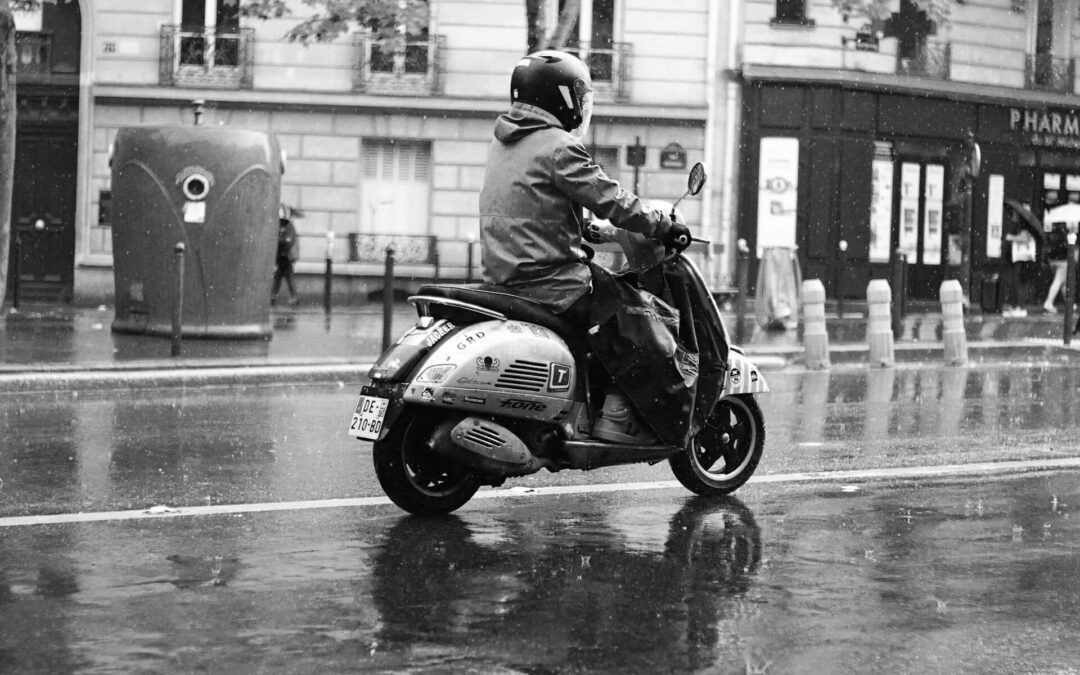
You want safe scooter rides but rain makes roads risky. Monsoon storms can flood roads and hide slippery patches. This guide gives Rainy Season Scooter Riding Tips In Thailand, and shows gear, speed control and how to spot hazards.
Read on to stay safe.
Essential Rainy Season Riding Tips
Riding a scooter in the rain can be tricky. Here are some important tips to keep you safe and enjoy your ride.
How can I check the weather and plan my scooter ride in Thailand?
Plan rides around forecast windows. Use simple tools before you leave.
- Check the Thai Meteorological Department site for official forecasts and monsoon alerts; this site gives daily rain maps and warnings.
- Use reliable apps like Weather.com and AccuWeather for hourly updates and radar; these apps show tropical rainbands and wind gusts.
- Follow local Facebook groups and hotel staff for road reports and real-time tips on traffic and flooding; locals report sudden downpours and closed routes.
- Watch radar layers for storm paths and timing; radar helps you avoid heavy cells that can make roads slippery.
- Pick travel times with lower rain probability, usually mid-morning or late afternoon; avoid peak monsoon hours and night rides.
- Check your rental scooter insurance and deposit terms before you go out; confirm cover for rain damage and wet-road incidents.
- Inspect scooter maintenance items like tyre tread, brakes, lights, and wipers for trailers or sidecars; good upkeep cuts crash risk in wet conditions.
- Pack safety gear including a raincoat, waterproof storage for documents, and bright clothing for visibility; these items keep you dry and seen.
- Plan alternate routes that avoid low-lying roads and known flood spots; choose higher ground and main roads where possible.
- Set a clear turnaround point and time limit for the trip; turn back if rain intensifies or visibility drops.
- Inform someone of your route and expected return time, and carry a charged phone with local emergency numbers; quick contact helps in accidents.
- Check traffic rules and local regulations for riding in wet weather, as some provinces restrict two-wheel vehicles during severe storms.
- Keep an eye on surf and ferry schedules if your route involves sea crossings; bad weather can delay local transport.
- Review your itinerary against long-term forecasts if you plan multi-day trips during the monsoon; adjust bookings and scooter rental days accordingly.
- Next, we cover essential rain gear and waterproof storage for scooter riders in Thailand.
What rain gear and waterproof storage should I use while riding?
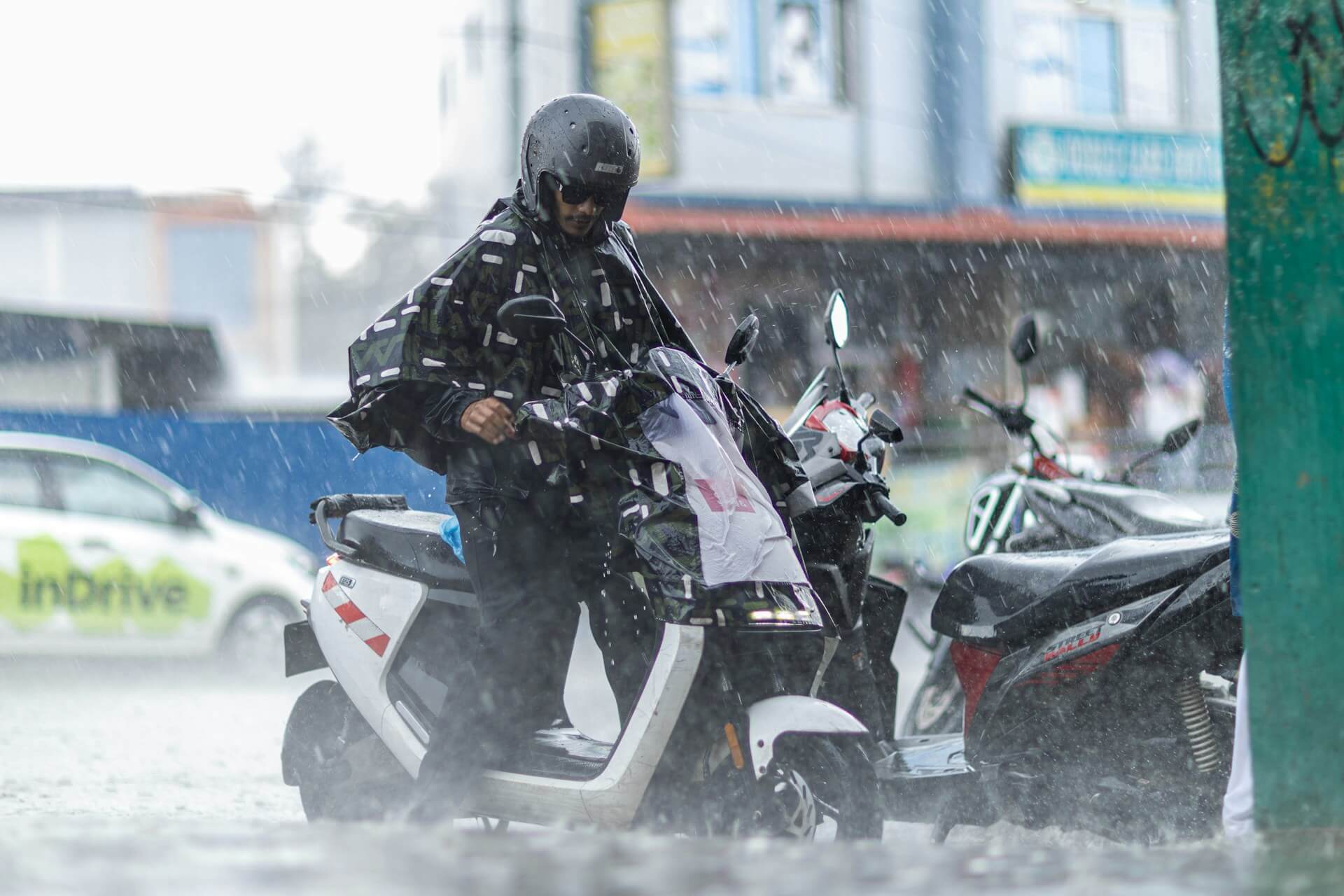
After checking the forecast, choose suitable kit for wet roads. Pick a durable raincoat with taped seams and a long tail. Wear a full-face helmet with an anti-fog visor. Add a high-visibility vest to boost visibility in heavy monsoon rain.
Fit waterproof gloves and ankle-high boots with good grip. Carry basic safety gear, such as a reflective triangle and a compact first-aid kit. Check your scooter tyres and brakes before you ride.
Regular maintenance keeps you safer on slippery surfaces.
Wet roads need proper kit and clear visibility.
Use a dry bag or waterproof panniers for your luggage. Seal documents and insurance papers in plastic sleeves. Keep a waterproof phone case within reach for maps and emergency calls.
Fit a lockable top box if your rental scooter allows it. Stow spare keys and the rental deposit receipt in a second waterproof pocket. Secure items low and centred to keep the motorbike balanced.
Why should I reduce speed and increase following distance in the rain?
Monsoon rain makes Thai roads slick and slippery. Rain cuts tyre grip and lowers visibility for riders and drivers.
Slow your speed and keep a larger following distance. This helps with speed control and gives you more time to stop. Use a good raincoat and keep lights on to improve visibility while you ride a rental scooter.
How do I identify slippery roads and hidden hazards during the rainy season?
Rain makes roads tricky in Thailand. Stay alert and slow down.
- Scan the road surface for shine, as oil and wet paint create a glassy film that makes scooters slip easily.
- Watch for dark patches, since diesel and oil pool and hide on junctions and petrol station exits.
- Check puddles before you cross, because deep water can hide potholes and uneven tarmac.
- Look at the kerb and drains, as blocked drains cause sudden water flow that can push a scooter off line.
- Note painted lines and zebra crossings, as these become very slippery when wet or worn.
- Spot leaves and loose gravel, which form a slick layer on corners and under shaded trees.
- Test your brakes gently, as wet pads need more travel and a soft initial pull reveals reduced grip.
- Inspect tyre tread and pressure, since good tread and correct pressure improve traction in rain.
- Observe other vehicles, because cars and trucks can spray water and hide hazards ahead.
- Check road repairs and metal surfaces, as manhole covers, steel plates and fresh tar change grip quickly.
- Use reduced speed and wider gaps, so you get more time to spot slick spots and react safely.
- Follow local traffic rules and rental insurance terms, as rules and cover affect your options after an incident.
Rainy Season Scooter Riding Tips In Thailand
Riding a scooter in the rain can be fun and safe. Follow these tips to stay dry and keep control on wet roads. Always check the weather before you go out. With proper gear and caution, your adventure in Thailand will be enjoyable.
Enjoy your ride with SPS Car Hire! You can click on the button below to see our scooter rentals in Pattaya.
 -
- -
- -
- -
- -
- -
- -
-