

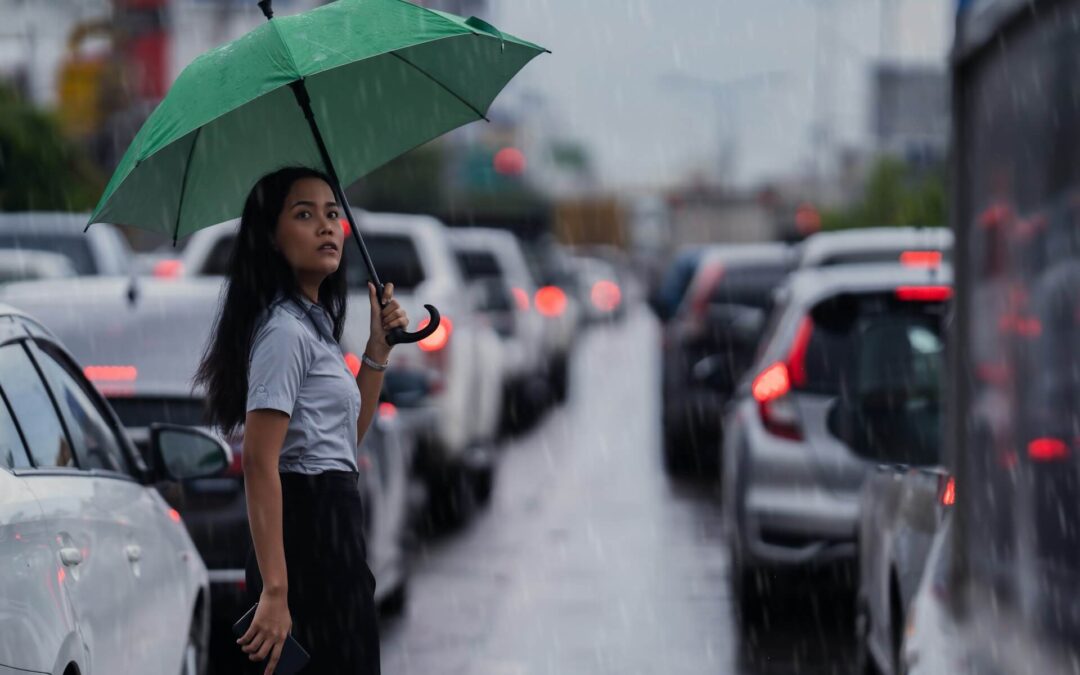
You want safe transport, but heavy rain and floods make you nervous about Rainy Season Car Rentals In Thailand. Thailand gets most of its rain from May to October, and roads can turn slippery fast.
This guide lists the best cars, key insurance tips and smart driving steps. Read on for clear, simple advice.
Important Factors When Hiring a Car in the Monsoon
Renting a car during the rainy season can be tricky. You need to check your insurance options and choose the right vehicle for wet roads.
What insurance and liability should I know about?
Thai law requires third party liability cover for driving. Check your rental contract for collision damage waiver, often called CDW. Ask about a super CDW or excess waiver to cut your excess.
Flood damage and theft may need extra cover during the monsoon.
Credit card benefits sometimes cover rental damage. Contact your insurer for proof of cover before you drive. Keep the rental agreement, passport, driving licence and International Driving Permit with you.
Report any crash or water damage to the police and the rental company immediately.
Always read the policy details and note any exclusions.
Which vehicles are best for wet road conditions?
Choose a car that handles wet roads well.
| Vehicle type | Why good | Key features to check | Best use |
| SUV (compact or mid-size) | Offers higher ride height. Improves visibility in heavy rain. | All wheel drive or active traction control. Anti-lock brakes. Good tyre tread, above 3 mm. Stability control. | Rainy rural routes and uneven roads. |
| 4WD / Off-road vehicle | Handles mud and deep puddles better. Gives extra traction. | Low range gearing for rough tracks. High clearance. Robust tyres. | Mountain roads and dirt tracks after storms. |
| Crossover | Balances fuel use and grip. Easier to park in towns. | Avoid low-profile tyres. Aim for all season or wet tyres. Electronic stability control. | Mixed city and light rural driving. |
| Small hatchback | Agile and economical. Better braking on dry wet-slick tyres if fitted well. | Check tyre tread and pressure. Ensure ABS is present. Keep speed low. | Urban travel and short trips in steady rain. |
| Pick-up truck | Strong clearance. Useful for flooded lanes. Heavy loads can aid traction. | Four wheel drive preferred. Secure cargo to avoid shifting. Good brakes. | Coastal roads and flood-prone rural areas. |
| People carrier / Van | More room for passengers. Stable ride when loaded properly. | Tyre condition is vital. Check that ABS and stability systems work. Test wipers and lights. | Group travel between cities in wet conditions. |
| Tyres and braking | Make the biggest difference to safety. | Prefer deep tread and wet-weather compound. Keep pressure at manufacturer levels. Carry a spare and pump. | All vehicle types, always. |
| Electronics and safety aids | Reduce skids and loss of control. | ABS, electronic stability control, traction control, and good headlights. Test wipers and defoggers. | Night and heavy downpour driving. |
| Rental cost note | Higher clearance and AWD models cost more. | Expect a premium of 15 to 40 percent over basic hatchbacks. | Budget for safety features if needed. |
Check tyres, brakes and lights before starting any journey. Next, learn how to drive safely during heavy rain.
When is the best time to book a car rental?
Book rentals as soon as you lock your travel dates. Booking early secures better rates and more vehicles during the monsoon. Local demand rises in tourist hubs, so availability drops fast.
Aim to reserve a car at least two to three weeks ahead for major cities and airports. Add full insurance and check tyre and flood coverage before you sign. Carry your licence and an International Driving Permit for smooth pickup.
How to Drive Safely During the Rainy Season
Driving in the rain can be tricky. Slow down and keep a safe distance from other cars.
How can I stay aware of road and weather conditions?
Rain can change road conditions fast. Check updates before you drive.
- Use the Thai Meteorological Department website for hourly rain and storm alerts, and follow their warnings to plan routes.
- Listen to local radio stations for traffic and flood reports, and switch stations if reception fades.
- Install a weather app that shows real-time rainfall radar, and enable notifications for sudden monsoon changes.
- Watch CCTV feeds from major cities like Bangkok and Chiang Mai when available, and avoid routes with heavy standing water.
- Check road condition pages from the Department of Highways before long trips, and choose main roads over small rural routes.
- Ask your car rental company about tyre type and tread depth, and request vehicles with good tyres for wet surfaces.
- Carry an International Driving Permit and your national licence, and confirm your insurance covers flood damage and third‑party liability.
- Use GPS with live traffic, and pause driving to update maps if reroutes or heavy traffic appear.
How should I adjust my speed and driving habits?
Driving during Thailand’s rainy season can be tricky. Wet roads require careful attention.
- Slow down. Reduced speed helps you react better to sudden changes.
- Increase following distance. Leave more space between your car and the one ahead to handle emergencies.
- Use headlights. Turn on your lights for better visibility, even during daytime rain.
- Avoid sharp turns. Smooth steering reduces the chance of losing control on slippery roads.
- Be cautious with brakes. Brake gently to avoid skidding and maintain control.
- Watch for standing water. Avoid driving through deep puddles as they can hide potholes or cause hydroplaning.
- Listen to weather updates. Stay informed about changing conditions that may affect your route.
Adjusting your speed and habits is crucial during this season in Thailand, especially when learning how to deal with flooded roads or hazards ahead.
What should I do when encountering flooded roads or hazards?
Driving safely during the rainy season means being alert for hazards like flooded roads. Flooded areas can be risky and require careful actions to keep you safe.
- Avoid flooded roads if possible. Water depth is hard to judge, and even small amounts of water can sweep away your car.
- If you must drive through water, proceed slowly. Keep the engine running at a steady pace to avoid stalling.
- Test your brakes after crossing water. Press them lightly to ensure they work properly before continuing your journey.
- Watch for debris in the road. Items washed onto the street can cause accidents or puncture tyres.
- Stay informed about road conditions via local news or apps. This helps you plan safer routes around hazards.
- If the water is rising quickly, seek higher ground immediately. Find a safe spot until it is safe to drive again.
- Avoid driving through fast-moving water or strong currents. Your car can easily be swept away in these conditions.
- Keep emergency supplies in your vehicle, such as a first-aid kit and extra water. These items can help if you’re stuck for a while.
Rainy weather affects driving safety in Thailand, so stay cautious and prepared on the roads during this season.
Where to Rent Cars and Which Providers to Trust
In Thailand, you can find car rentals at major airports and cities, making it easy for tourists to choose the right provider. Popular companies offer a range of vehicles at good prices.
Look online for reviews and compare rates before booking your rental. For more tips on picking the best option, keep reading!
Which airports and cities have the best rental options?
Here are airports and cities with the best car rental options.
| Location | Why it is good | Pick-up areas | Rainy season notes |
| Bangkok Suvarnabhumi (BKK) | Serves many international carriers and local firms. | Airport counters, on-site desks, central Bangkok branches. | Expect heavy traffic. Choose higher clearance or SUV models. |
| Bangkok Don Mueang (DMK) | Caters to low-cost airlines and budget rental brands. | Terminal kiosks and nearby rental centres. | Allow extra time for transfers. Roads can flood near the airport. |
| Phuket International (HKT) | Offers airport and island collection points for tourists. | Arrival hall counters, Patong and Phuket Town branches. | Expect sudden downpours. Pick tyres with good grip. |
| Chiang Mai (CNX) | Has solid choices for compact cars and SUVs. | Airport office, old city pickup spots, hotel delivery. | Mountain routes can get slippery. Avoid night driving on rural roads. |
| Krabi (KBV) | Suited for travellers visiting islands and coastal areas. | Airport booths, Ao Nang outlets, ferry terminals. | Watch for flooded low-lying roads. Ask about vehicle ground clearance. |
| U-Tapao / Pattaya (UTP) | Useful for travellers flying into the eastern seaboard. | Airport counters and Pattaya city branches. | Coastal storms can reduce visibility. Choose modern headlights. |
What resources can tourists use to find car hire information?
Tourists can easily find car hire information in Thailand. Several resources can help them make the best choice.
- Online travel sites give reviews and comparisons on different car rental companies. Websites like Expedia or Booking.com are popular choices.
- Local forums provide tips from other travellers who have rented cars. Websites like TripAdvisor have community discussions that can be helpful.
- Social media groups allow tourists to ask questions and share experiences about renting cars in Thailand.
- Travel blogs often offer insights into the best rental services and safety tips during the rainy season.
- Airport websites list car rental options available at arrival points, often with direct links to providers.
- Tourism boards share resources for tourists, including reliable car hire companies.
- Mobile apps let users compare prices and book rentals quickly while on the go.
- Hotel concierges usually have partnerships with car rental firms and can assist guests in finding good deals.
These resources provide valuable information for a smooth experience renting a vehicle in Thailand’s rainy season.
SPS Car Hire is the perfect place for rainy season car rentals in Thailand. Please click on the button below to see our car rentals.
 -
- -
- -
- -
- -
- -
- -
-