

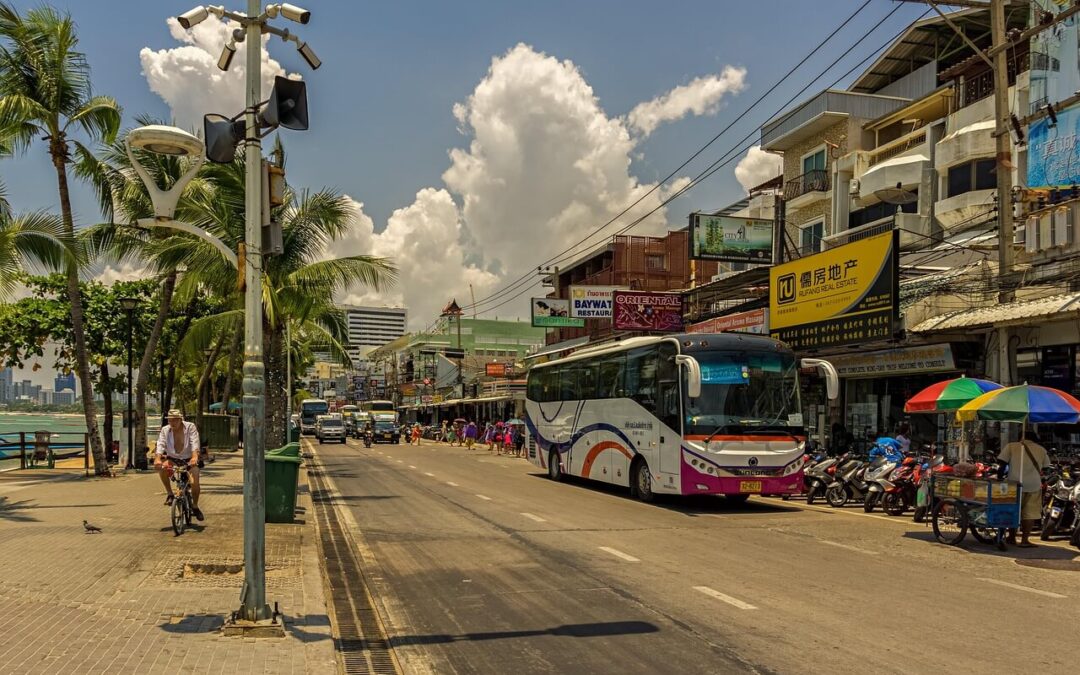
Planning a road trip in Thailand can feel confusing. Many travellers worry about routes, traffic rules, and getting lost. You may also wonder which maps work best or how to track your mileage.
Thailand has over 77 provinces with a vast network of highways and scenic roads. Most people use GPS navigation today; paper maps are still helpful too.
This blog on Thailand Roadtrip Planning 2026: Maps, Mileage & Magic will guide you step by step. You will find tips for safe driving, ideas for top routes, and advice for easy travel planning.
Ready to make your journey smooth? Read on to discover how simple good planning can be!
Why should I plan a road trip in Thailand?
Wide highways and scenic routes connect Thailand’s top destinations. You can explore 77 provinces by car, covering landscapes from mountains in Chiang Mai to beaches in Phuket. Road trips offer flexible travel planning and easy stops at hidden tourist attractions that big tour buses skip.
“A road trip lets you find local food stalls, quiet temples, and untouched views far from crowded spots.”
Using GPS navigation or a digital map makes sightseeing simple. Driving gives you access to cultural experiences like village homestays and night markets. Next, learn the essential tips for safe driving across Thailand’s roads.
Essential tips for driving in Thailand
Learn local driving rules and keep documents ready at all times. Understand road signs and prepare for varied driving conditions.
What are the local traffic rules I need to know?
Driving in Thailand offers the chance to explore its beauty at your own pace. Knowing the local traffic rules is key to a safe journey.
- Drive on the left side of the road, which might be different if you’re coming from countries like the US.
- Seat belts are a must for both front and rear passengers to ensure safety.
- Speed limits vary: 60-80 km/h in cities and up to 120 km/h on motorways; always check signs.
- Motorbike riders must wear helmets; this rule saves lives and avoids fines.
- Drinking and driving don’t mix. The legal blood alcohol limit is 0.05%, stricter than many places.
- Mobile phone use while driving is banned unless you have a hands-free system.
- International Driving Permit (IDP) along with your national license is required for foreigners.
- Traffic lights follow the universal colour code, but be cautious as drivers might not always stop at red.
- Flashing green lights mean the light will soon change to red; prepare to stop.
- U-turns are allowed only where there’s a sign indicating it’s permitted; look out for them.
How do I navigate toll roads and highways in Thailand?
Toll roads and highways in Thailand are important for long drives. They can help you reach your destinations faster.
- Use cash or a card at toll booths. Most accept both options, but having cash is safer.
- Keep small notes ready. This helps avoid delays at the booth.
- Watch for signs showing toll rates. Rates vary by road and distance.
- Use GPS navigation for accurate routes. Apps like Google Maps provide real-time updates on traffic and tolls.
- Familiarise yourself with major highways, like the Asian Highway 1. It connects Bangkok to Chiang Mai and other big cities.
- Be aware of speed limits. They range from 80 km/h to 120 km/h depending on the road type.
- Follow lane markings carefully; they guide drivers on where to go, especially in busy areas.
- Pay attention to road signs, which are often in Thai and English. This makes navigation easier for tourists.
What should I consider when renting a vehicle in Thailand?
Check the rental company’s reputation before you book. Look for reviews from other travellers. Make sure they offer vehicles that suit your needs, whether it’s a small car or an SUV.
Insurance is key when renting a vehicle in Thailand. Get insurance that covers accidents and theft. Ask about any extra fees too, like fuel charges or mileage limits. An international driving permit may be needed to drive legally in Thailand; confirm this with the rental firm before you go.
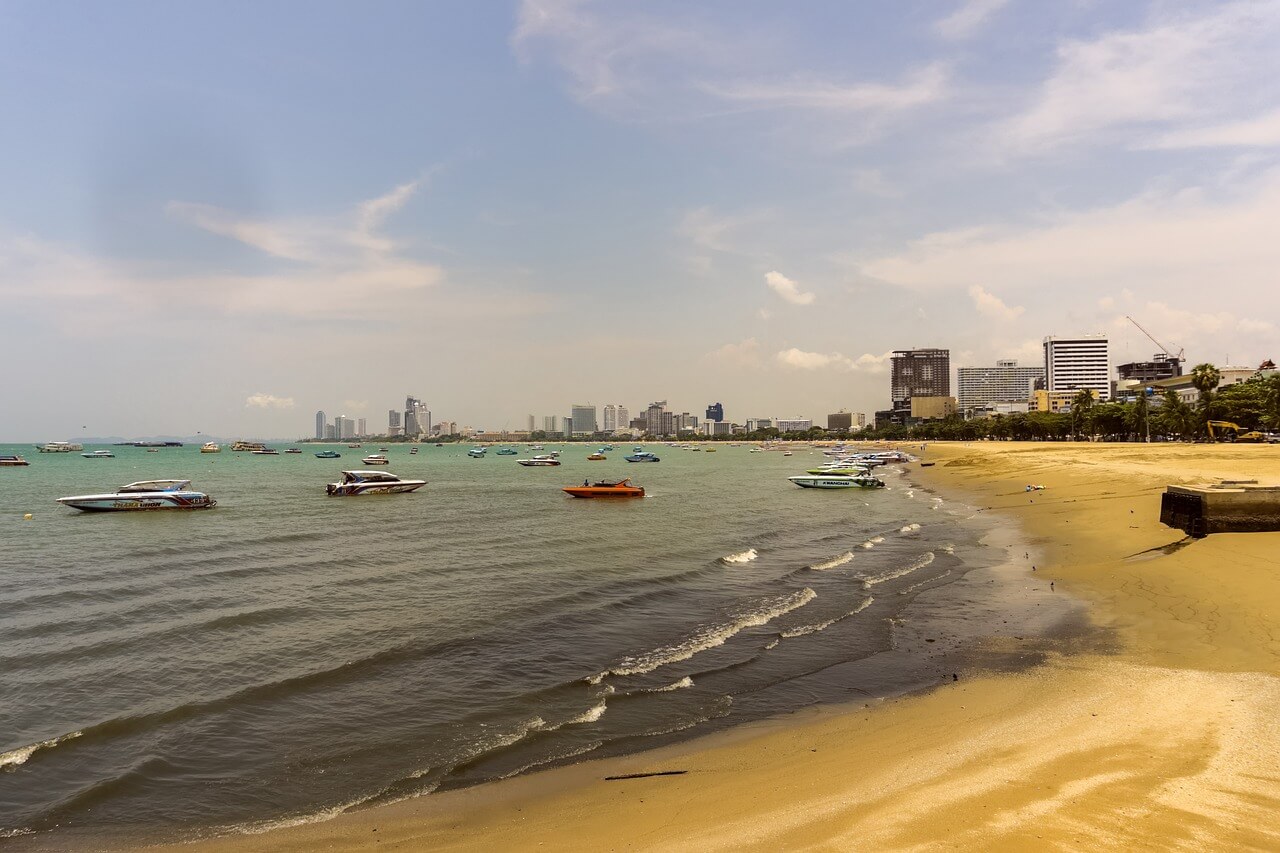
The best road trip routes in Thailand
Explore some of the best road trip routes in Thailand for a memorable adventure. Each route offers unique sights and experiences that highlight the beauty of the country. Read more to find your perfect journey!
What makes the Mae Hong Son Loop special?
The Mae Hong Son Loop is a highlight for road trips in Thailand. It offers stunning views and winding roads that make driving exciting. This route includes mountains, forests, and charming villages.
You can visit places like Pai, renowned for its laid-back vibe. The loop takes you to natural hot springs and waterfalls too.
This trip allows you to experience local culture along the way. You can meet hill tribes and taste authentic Thai food at small eateries. Driving this loop adds adventure to your journey while connecting you with the beauty of Thailand’s countryside.
How do I travel from Bangkok to Chiang Mai by road?
The drive from Bangkok to Chiang Mai covers about 700 kilometres. It usually takes around 10 hours without long stops. Start on Highway 1, also known as Phahonyothin Road. Keep an eye out for signs for Ayutthaya and continue north.
Stop at interesting places along the way, such as Lampang or Sukhothai. These towns have rich histories and great sights. Ensure your car has a GPS for easy guidance. Plan your fuel stops in advance, as some areas may be quiet with fewer options nearby.
What is the route from Hua Hin to Surat Thani like?
The route from Hua Hin to Surat Thani is about 400 kilometres long. It takes roughly six hours by car. Most of the journey is on Highway 4, also known as Phetkasem Road. This road is well-paved and easy to drive on.
You’ll see scenic views along the way. The landscape features mountains, forests and rural areas. Stop at local markets or restaurants for a break. Enjoy authentic Thai food while you stretch your legs before hitting the road again.
How can I plan a trip from Phuket to Satun?
Plan your trip from Phuket to Satun carefully. The distance is about 92 kilometres. You can drive or take a bus. If you choose to drive, follow Route 4 and then Route 406. It takes around two hours by car.
Make sure to check the weather before you leave. Bring a map or use GPS navigation for better directions. Keep local attractions in mind, like the beautiful beaches and islands along the way.
Stop at interesting spots to enjoy cultural experiences.
Must-have road trip essentials
Make sure you have good maps and GPS tools. Keep an emergency kit with supplies like a first-aid kit, water, and snacks.
What maps and navigation tools work best in Thailand?
Google Maps is a popular choice for navigation in Thailand. It offers detailed maps and live traffic updates. Downloading the maps offline can be useful too, as internet access may not always be available.
Waze is another good app. It helps drivers find the best routes based on real-time data from other users. For those who prefer paper maps, local tourist offices provide printed guides.
These can be handy for planning trips and exploring areas without relying solely on technology.
Which emergency kits and supplies should I carry?
Driving in Thailand can be a fun adventure. It’s wise to be prepared for any situation. Here are essential emergency kits and supplies you should carry:
- First aid kit: Include band-aids, antiseptic wipes, pain relievers, and scissors. This helps for minor injuries.
- Spare tyre: A puncture can happen anytime. Ensure your spare tyre is in good condition and properly inflated.
- Jack and wheel wrench: These tools are necessary for changing a tyre. Check if they are included in your rental vehicle.
- Jump leads: A flat battery can stop your trip. Pack jump leads to help restart your car or assist others.
- Fire extinguisher: In case of an emergency, it is crucial to have one on hand. Choose a compact model suitable for cars.
- Water supply: Always keep bottled water in the car. Staying hydrated is important during long drives.
- Basic tool kit: Include screwdrivers, pliers, and wrenches. This allows you to fix small issues on the road.
- Roadside assistance contact: Keep the number handy for quick help if needed. Many rental companies offer this service.
- Reflective warning triangle: Use this if you break down to alert other drivers. It increases safety on busy roads.
Having these supplies will ensure a smoother journey through Thailand’s stunning landscapes and attractions.
Thailand Roadtrip Planning in 2026
Planning a Thailand roadtrip in is exciting and rewarding. You learnt about useful tips for driving, from local rules to car rentals. Key routes highlight the beauty and culture of this amazing country.
Maps and navigation tools are your friends on this journey. Embrace adventure, create memories, and enjoy every mile on the open road!
When you are Thailand Roadtrip Planning and need a vehicle, give SPS Car Hire a try! We have a great choice of rental cars. You can see them all by clicking on the link below:
 -
- -
- -
- -
- -
- -
- -
-