

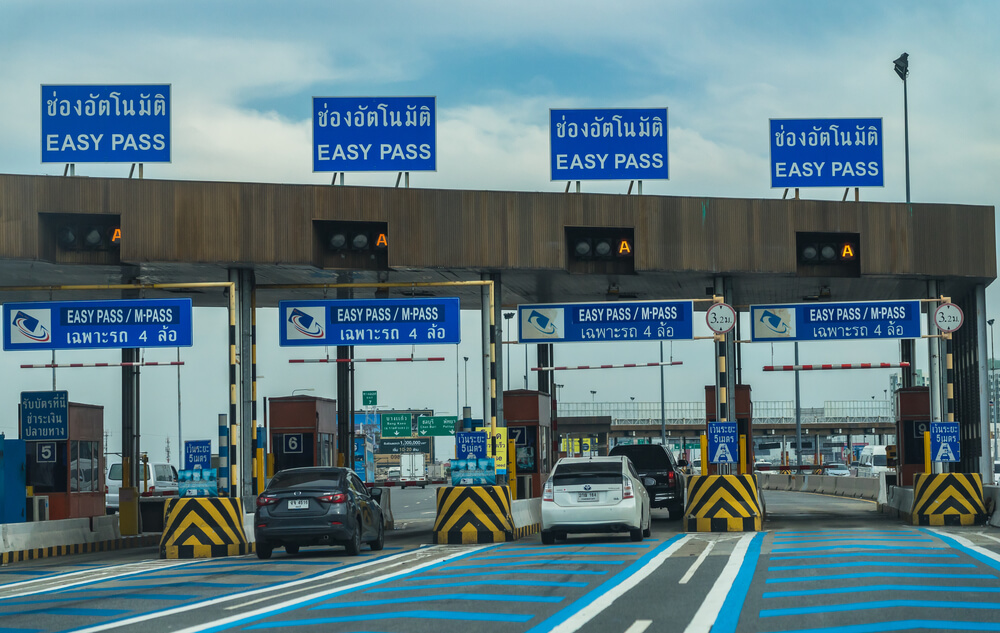
Driving in Thailand presents its challenges, especially with toll roads. Learning to pay for highway tolls might seem hard at first. For drivers, knowing the payment options for cars, motorbikes, and buses on Thailand’s Toll Roads is essential.
This guide will help you understand toll fees and use the Easy Pass system. It also explains what to ask your car rental company about toll payments. This makes driving in Thailand simpler for you.
Overview of Thailand’s Toll Roads and Highways
Thailand’s roads and expressways require tolls for usage, aiding in traffic management and ensuring smoother transit.
Key motorways and expressways
In Thailand, major roads like the Don Muang Tollway and Vibhavadi Rangsit Road link cities such as Bangkok to Chiang Mai. These expressways feature toll booths where motorists pay varying rates to use them.
The Expressway Authority of Thailand oversees these routes, ensuring smooth traffic flow and road safety. Drivers planning to travel on these roads must understand how tolls work.
Tolls applicable to different vehicle types
Toll rates in Thailand differ for cars, motorbikes, and larger vehicles like vans on expressways and motorways. Cars generally pay less at toll booths than buses or lorries. The Expressway Authority of Thailand sets these rates, which are clearly shown at toll plazas.
Before setting off on a trip, drivers can check the exact toll prices for their route. This assists in planning the budget for travel across cities or regions, ensuring a journey free from unexpected costs.
Toll Payment Options
In Thailand, drivers can pay road tolls using cash at toll booths or via electronic toll collection systems like M-Pass and Easy Pass.
Cash payment at booths
Paying tolls in Thailand is simple. Drivers halt at toll booths to pay with cash, a method preferred by those not using electronic payments. Toll rates depend on the vehicle and distance covered on expressways like Don Muang Tollway or Department of Highways roads.
Drivers should carry local currency for toll collection points to avoid delays. For faster transactions, motorists can use Easy Pass, speeding up the payment process at toll gates.
This system helps move through traffic congestion quickly, improving route planning and fuel consumption. With options ranging from credit cards to debit card payments, the electronic toll collection system supports efficient travel and contributes to economic growth by enhancing transportation infrastructure logistics.
M-Pass and Easy Pass systems
Drivers have two main options for toll payments on Thailand’s roads: the Easy Pass and the M-Pass. The Easy Pass uses RFID technology to let cars pay tolls without stopping. Drivers attach a device to their vehicle, which communicates with scanners at toll booths.
This setup deducts the amount from a preloaded account.
The M-Pass is aimed at frequent users like taxis or business vehicles, offering unlimited trips on certain roads for periods such as a month. Users must buy or rent an M-Pass tag and place it in their car.
These systems speed up travel by allowing drivers to skip standard toll lanes, improving flow on routes including the Don Muang Tollway and expressways under the Expressway Authority of Thailand’s management.
M-Flow barrier-free system
The M-Flow barrier-free system is a convenient way to pay tolls in Thailand. It allows cars to pass through without stopping at toll booths. This system uses sensors that read electronic tags placed in vehicles.
Drivers do not need to carry cash or cards.
You can easily register for M-Flow online or at designated locations. The system automatically deducts the toll fees from your account as you drive through the tolled roads, making travel smoother and quicker.
It is part of the electronic toll collection used by the Expressway Authority of Thailand, promoting efficient transportation in Thailand’s busy highways like Viphavadi Rangsit Road.
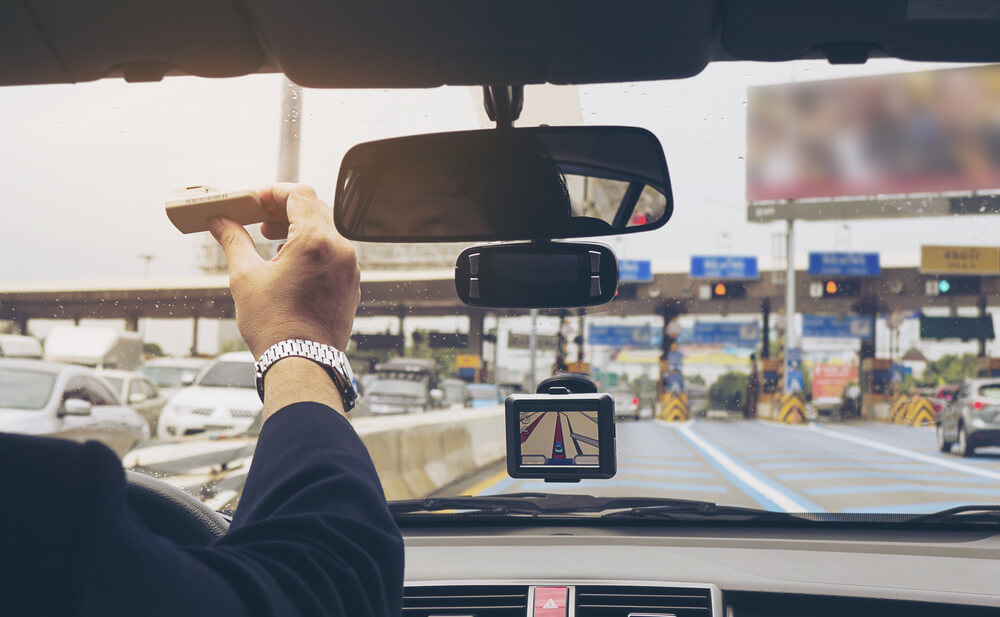
Tips for Navigating Toll Roads with a Rental Car
Understand your rental car terms. Check if the vehicle has a toll pass for easy payments.
Understanding rental car policies
Rental car policies in Thailand vary by company. It’s crucial to check what each rental firm offers. Most cars come with a toll payment tag, like the Easy Pass. Confirm if your car has this tag and how it works.
Familiarise yourself with the rental agreement. This includes fuel policy, insurance coverage, and mileage limits. Also, ensure you understand traffic rules in Thailand to avoid fines or accidents.
Driving on the left side can be challenging for some tourists. A practice drive with less traffic is wise before hitting busy roads.
Ensuring the car is equipped with a toll pass
Check if the rental car has a toll pass. Rental cars often come with an automatic toll payment tag. This tag allows for easy access on toll roads like the Don Muang Tollway. If your car does not have one, ask the rental company about getting it.
It is important to confirm how to use and top up any toll pass system, such as Easy Pass or M-Pass. Being prepared will help you avoid delays at toll booths. Know that these systems make travel smoother on Thailand’s highways and expressways.
Additional Considerations
Fuel prices can change often, so check them before your trip. Plan for traffic during busy hours to avoid delays.
Fuel prices and availability
In Thailand, fuel prices can vary. Gas stations are common along highways and in cities. Most petrol stations offer unleaded gasoline and diesel. It’s wise to fill up your tank before hitting the toll roads to avoid running low on fuel.
Parking often poses a challenge for tourists due to local norms. Knowing where you can park is essential, especially in busy areas. Familiarise yourself with parking rules as they differ from what you might be used to elsewhere.
Understanding these factors helps ensure a smoother journey through Thailand’s toll roads and highways.
Traffic conditions and peak hours
Traffic can be heavy in Thailand, especially during peak hours. The busiest times are usually from 7 AM to 9 AM and 5 PM to 8 PM. Expect delays on major roads like the Don Mueang Tollway.
Tolls apply, so be ready with your payment method.
Try to plan your drives outside these peak times for a smoother ride. Knowing road rules is crucial for safety during busy hours. Understanding traffic conditions helps make your journey easier as you cruise along highways and toll roads.
Thailand’s Toll Roads in 2026
Driving on Thailand’s toll roads can be easy. You learned about key routes and various toll payment methods. Using systems like Easy Pass makes it faster to pay. Check your rental car for a toll pass before you drive off.
Fueling up is important too, as well as knowing traffic times. Use these tips for a smoother ride through Thailand’s highways and make your journey enjoyable. Ready to hit the road?
Looking to rent a car in Thailand? SPS Car Hire Pattaya is the best choice. Please click on the button below for more details.
 -
- -
- -
- -
- -
- -
- -
-