

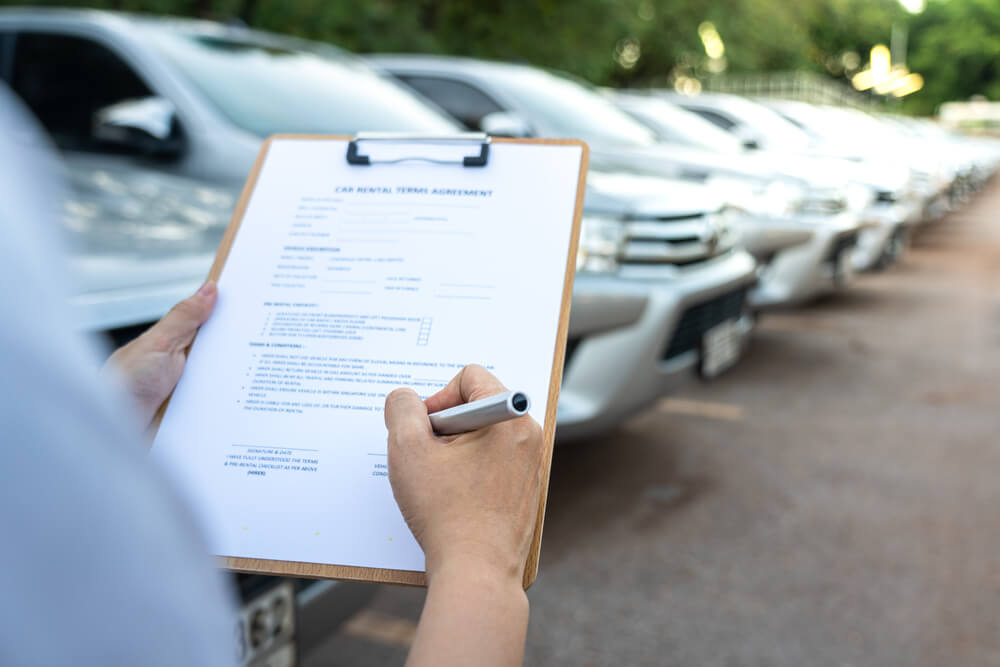
Renting a car in Thailand has its challenges, especially for newcomers or those not familiar with local rules. June offers the best rates for rental cars in Thailand at an average of $26.53 per day.
This blog shares a “Thailand Car Rental Checklist.” It includes must-have documents such as your driving license and international driving permit. You’ll also find tips for safely driving on Thai roads, inspecting your rental car when you pick it up and return it, and understanding your insurance options.
Prepare for an easier trip.
Essential Documents for Renting a Car in Thailand
To drive in Thailand, you must have an International Driving Permit (IDP) and meet the age and driver’s license requirements.
International Driving Permit (IDP)
If you’re planning to rent a car in Thailand and come from another country, you need an International Driving Permit (IDP) along with your driver’s license. The IDP confirms that your license is valid in Thailand by translating your licence details into 10 languages.
Get this permit before you travel.
The IDP is a must for foreign renters in Thailand. Without it, car rental agencies will refuse to let you hire a car. Your IDP and driver’s license should be valid for more than a year, showing you have the necessary driving experience.
Always have these documents on hand while driving to avoid trouble with the police or if there’s an accident.
Age and Licence Requirements
In Thailand, car rental agencies require drivers to be at least 21 years old. For luxury cars, the age requirement may increase to 23 or 25. Renters must have held their driving licence for a minimum of one year, ensuring they possess sufficient driving experience.
Foreign visitors need three documents to hire a car: a valid home country driver’s licence, identification, and a credit card. These are essential for verifying identity and ability to drive safely in Thailand.
For higher-end vehicles, proof of additional driving experience might be necessary.
Key Steps in the Rental Process
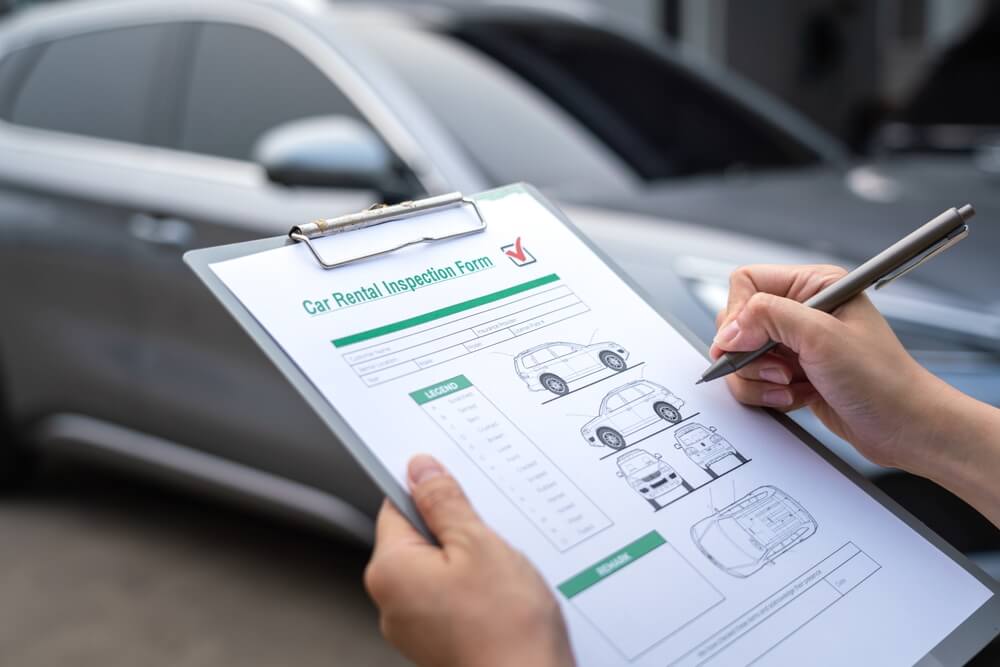
Inspect the car at pick-up and return to avoid issues. Choose insurance like collision damage waiver or theft protection for safety.
Vehicle Inspection at Pick-Up and Drop-Off
Examine the car closely when you pick it up and return it. Look out for scratches, dents, or any other problems. Record everything to ensure you’re not held responsible for damage you didn’t cause.
Take pictures of the car from all angles as evidence of its condition at both start and end of your rental period.
If you notice new damages that weren’t there previously, report them immediately to the car rental agency in Thailand. This step helps avoid additional fees. Also, returning the car with a full tank prevents extra charges on your bill related to petrol stations in Thailand.
Understanding Insurance Options
In Thailand, car rentals offer various insurance options for drivers’ protection. Collision Damage Waiver (CDW) limits your payment if the car gets damaged. Super Collision Damage Waiver (SCDW) further reduces how much you might have to pay.
Third-party liability insurance takes care of costs related to damages or injuries you cause to others. For added security during your trip, some companies provide extra travel insurance.
Before hitting the road in Thailand, selecting the right insurance is crucial. Compare what each type offers and choose according to your needs. If renting a luxury car, note that it may require more driving experience and come with different insurance demands.
Always read through the rental agreement thoroughly to grasp what’s covered and potential charges in case of accidents or damage.
Safety and Driving Tips in Thailand
Driving in Thailand requires caution. Follow local traffic rules like speed limits and right of way. Look out for blind spots and be aware of other vehicles on the road. Use Google Maps to navigate, especially in busy areas like Bangkok.
If you face an emergency, know the nearest gas stations or rest areas. Always keep your car rental insurance documents handy for peace of mind.
Navigating Local Traffic Rules
Thai traffic rules are simple but important to follow. Drive on the left side of the road. Speed limits usually range from 80 km/h on highways to 60 km/h in towns. Pay attention to speed cameras, especially in busy areas like Bangkok and Chiang Mai.
Always stop at red traffic lights and yield the right of way where needed.
Keep an eye out for roundabouts; they must be navigated correctly. Watch for blind spots when changing lanes or merging. Be cautious of other drivers who may not follow these rules strictly.
Knowing local traffic norms will help you drive safely while exploring hidden gems in Thailand. Next, understand emergency procedures if trouble arises on the road.
Emergency Procedures
Driving in Thailand can be fun, but emergencies happen. Always keep your phone handy. Save important numbers, like roadside assistance and local emergency services.
If you have an accident, stay calm. Check for injuries first. Move to a safe place if possible. Contact the police to report the incident and get help.
With rental car insurance included, you may need to notify your car rental company right away. They will guide you on what steps to take next. If you’re near toll roads or remote areas, make sure you know where gas stations are located for quick access.
Keep documents close at hand: IDP, driver’s license, and rental agreement details should always be with you while driving in Thailand.
Thailand Car Rental Checklist
Renting a car in Thailand can be easy with the right steps. Keep your documents ready, like your international driving permit and credit card. Inspect the vehicle carefully when you pick it up and drop it off.
Understanding insurance options is key to staying safe during your trip. Use local resources like Google Maps for navigation and know traffic rules to avoid issues on the road. Explore hidden gems in Northern Thailand by car, but always return with a full tank of fuel.
Enjoy your adventure!
When you need to rent a car in Thailand, SPS Car Hire is a great choice! We have loads of affordable rental vehicles available. Please click onn the button below for more details.
 -
- -
- -
- -
- -
- -
- -
-