

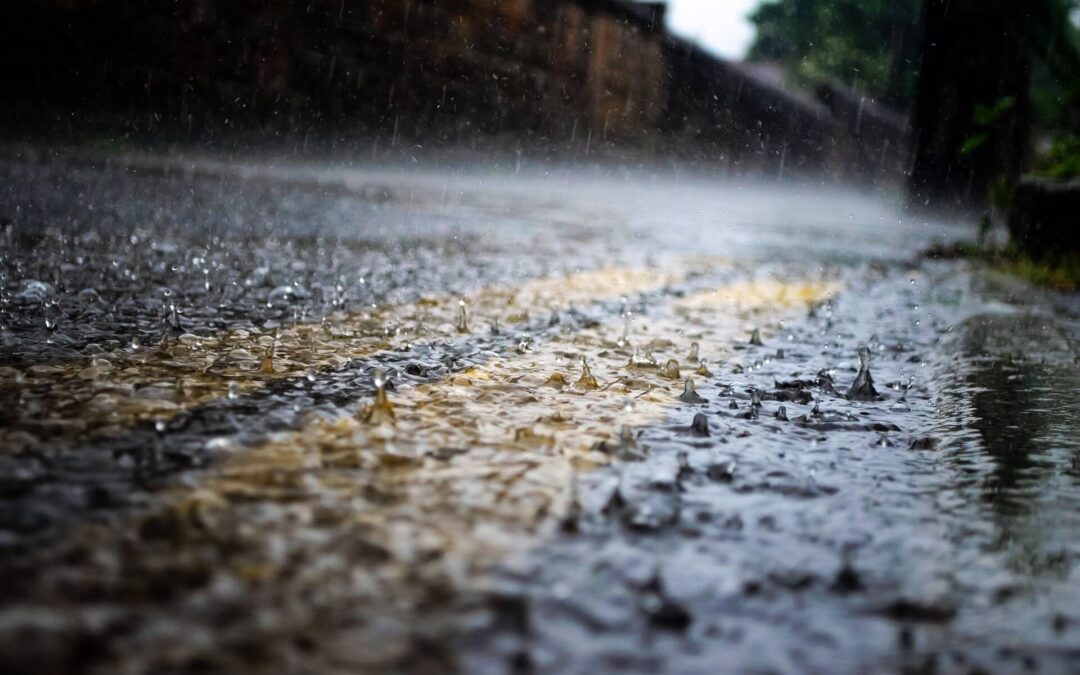
Exploring Thailand during the rainy season can be challenging. The roads become slippery and visibility drops. Yet, renting a car offers freedom to discover hidden gems at your pace, even in the wet weather.
Rainy Season Car Rentals in Thailand require a bit of know-how to navigate these conditions safely.
One key point is that you’ll need an International Driving Permit besides your usual driving licence if you’re coming from abroad. This blog post will guide you through essential tips for hiring a vehicle during monsoon season in Thailand, covering what to expect regarding costs, insurance, safety measures, and how to adapt plans when the weather changes unexpectedly.
Get ready for an adventure with this blog about rainy season car rentals in Thailand!
Renting a Car in Thailand: Important Things to Know
Renting a car in Thailand can be exciting, but you must understand some key details first. Familiarise yourself with what documents and requirements you need for a smooth rental experience.
International driver’s license
An international driver’s license is essential for driving in Thailand. It allows you to drive legally while visiting the country. Most car rental companies in Thailand require this document alongside your home country’s driving licence.
Obtaining an international driver’s permit (IDP) is straightforward and can often be done at local automobile associations.
Make sure to carry both licences while on the road. Some regions may ask to see them if a traffic stop occurs. Without these documents, renting a car in Thailand becomes impossible, jeopardising your travel plans.
Prepare well before your trip to avoid any hassle during the rainy season when roads can get tricky.
Age restrictions
Car rental companies in Thailand impose age restrictions on drivers. Most firms require drivers to be at least 21 years old. Some may set the minimum age at 23 or even 25, especially for larger vehicles.
Drivers under 25 often face extra fees due to perceived risks.
A valid international driving permit in Thailand is necessary if you’re from abroad. Rental agencies check this document before handing over keys. Always bring your original driver’s licence with you as well.
Plan ahead and make sure you meet these age requirements before renting a car in Thailand, especially during the rainy season when road conditions can change rapidly.
Additional driver
Adding an additional driver to your rental agreement can ease the driving burden during your trip in Thailand. Most car rental companies will allow this option for a fee. The extra driver must meet their age requirements and possess a valid licence.
Make sure they also hold an international driver’s licence if you’re renting with a US license.
This option makes long drives more manageable, especially during Thailand’s rainy season. You’ll have someone to share the road and handle unexpected weather changes together. Plus, it gives you flexibility on those longer journeys across beautiful landscapes or busy cities like Bangkok.
Check with the specific company about their policies on adding drivers when renting a car in Thailand, as rules may vary by provider.
Roadside amenities
After discussing the additional driver, let’s consider roadside amenities. Thailand offers various roadside services that enhance your driving experience during the rainy season. Many rental companies provide useful resources like 24-hour emergency assistance and towing services.
Petrol stations dot the highways, making it easy to refuel as needed. You can also find rest stops with food stalls and bathrooms along major routes, which add convenience while travelling through heavy rain.
Roadside signs often warn of hazards specific to wet weather driving. Understanding these amenities ensures a safer journey on Thailand’s roads during monsoon conditions.
Thai traffic rules
Roadside amenities play a role in your driving experience. Familiarising yourself with Thai traffic rules is essential for a safe journey. In Thailand, drivers drive on the left side of the road.
Speed limits vary; it’s typically 90 km/h on highways and 60 km/h in urban areas. Always obey these limits to avoid penalties.
Traffic lights follow standard colours: red means stop, green means go, and yellow indicates caution. Wearing seatbelts is mandatory for all passengers. Motorcyclists must wear helmets at all times as well.
Using mobile phones while driving is illegal unless you have a hands-free system. Be aware that local drivers may not always adhere to these rules, so stay alert while driving in Thailand’s rainy season.

Expenses and Insurance
Expenses can add up quickly when renting a car in Thailand. Make sure to understand the insurance options available and how they affect your overall cost.
Insurance packages
Insurance packages vary for car rentals in Thailand. Check with the rental company about their offerings. Most provide basic coverage, but it often has limits. Full insurance covers more damages and accidents.
This type usually costs extra but offers peace of mind.
Before you rent a car in Thailand, understand the coverage options available. You might need to pay a deposit as well, which can be significant depending on the vehicle’s value. Always read the policy details carefully to avoid surprises later on.
Deposit
Insurance packages often include terms about the deposit required for renting a car in Thailand. Car rental firms typically ask for a security deposit before handing over the vehicle.
This amount varies among companies and can range from 5,000 to 30,000 Thai Baht.
Most rentals will hold this sum on your credit card until you return the car without damage. Some businesses may also accept cash deposits but check beforehand. Always read the rental agreement carefully to understand their specific policy on deposits and any additional fees that might apply.
Fuel
Following the deposit, consider fuel costs. Most car rental companies in Thailand provide a full-to-full policy. This means you pick up your car with a full tank and return it that way.
You should refuel before dropping off the vehicle to avoid extra charges.
Thailand’s fuel prices can vary. Petrol and diesel options are available at numerous stations. Make sure to check the type of fuel your rental requires. Be mindful of busy periods, especially during the rainy season when some areas may flood, affecting access to filling stations.
Safety Measures
Driving in Thailand can be tricky, especially during the rainy season. Familiarise yourself with what to do if your car breaks down or gets damaged, and always stay alert on wet roads.
Damage and breakdown
Car rental in Thailand often comes with the risk of damage and breakdowns. Always check your vehicle before driving. Look for scratches, dents, or other issues. Report any damage to the rental company immediately to avoid disputes later.
If you experience a breakdown during your trip, contact your car rental provider for assistance. They usually offer roadside help as part of their service. Be sure to keep emergency contact numbers handy.
Understanding Thai traffic rules can also help reduce the chance of accidents while renting a car in Thailand during rainy season conditions.
What to do in case of an accident
In case of an accident, stop your vehicle immediately. Ensure everyone’s safety first. Check for injuries and call for help if needed. Contact the local authorities to report the incident.
In Thailand, you should notify the police even for minor accidents.
Document the scene thoroughly. Take photos of all vehicles involved and any damage. Exchange information with other drivers, including names, phone numbers, and insurance details. If you rented a car in Thailand, inform your rental company about the accident as soon as possible.
They can guide you through their procedures and assist with any necessary claims or repairs related to rainy season driving tips in Thailand.
Tips for Renting a Car in Thailand During Rainy Season
Driving in Thailand during the rainy season can be tricky. Stay prepared for sudden rain and slippery roads to ensure a safe journey.
Best places to drive during rainy season
Chiang Mai offers stunning scenery during the rainy season. The lush green mountains come alive with vibrant colours. Families and couples love driving to waterfalls like Huay Kaew Falls or Mae Sa Falls, where they can enjoy nature’s beauty.
Phuket is another great spot. Tourists can explore scenic coastal roads while enjoying ocean views. Driving along the coast gives you access to hidden beaches perfect for a quick stop.
Rain may fall, but it rarely dampens your spirit in this tropical paradise.
Krabi attracts many visitors as well. This area’s winding roads lead you through breathtaking landscapes of cliffs and emerald waters. Renting a car in Krabi allows you to visit places like Railay Beach or Ao Nang without hassle.
Driving in Thailand’s rainy season brings unique experiences at these locations while ensuring that you’re ready for unpredictable weather changes.
Preparing for unpredictable weather
After exploring the best places to drive during the rainy season, it’s crucial to prepare for unpredictable weather. The tropical climate can change at any moment. Heavy rain and sudden storms are common in Thailand.
Pack an emergency kit with essentials like a first aid kit and water. Keep your phone charged for navigation and communication. Check the weather forecast daily before hitting the road.
Stay informed about local conditions, especially if you plan on renting a car in Bangkok or other cities. Driving cautiously will help you navigate wet roads safely when using a rental vehicle in Thailand during this time of year.
Flexible booking options
Car rentals in Thailand offer flexible booking options. You can often change or cancel your reservation without hefty fees. This feature stands out during the rainy season when weather conditions are unpredictable.
Many companies allow you to adjust your plans as needed, making it easy to fit changing circumstances.
Renting a car online provides extra convenience for those navigating these changes. Major rental services frequently update their policies to better serve customers during Thailand’s wet season.
Rainy season car rentals in Thailand aim to provide hassle-free alterations that suit your travel needs seamlessly.
Fuss-free alterations to plans
Flexible booking options make it easy to adjust your plans. Look for car rental services in Thailand that allow you to change or cancel bookings without extra fees. Many companies offer this benefit, especially during the unpredictable rainy season.
Consider adding insurance that covers cancellations and modifications for peace of mind. You want to feel secure knowing you can alter your itinerary if storms hit unexpectedly. This flexibility adds comfort while driving in Thailand’s wet weather, ensuring a smooth experience throughout your trip.
Rainy Seaons Car Rentals in Thailand
Fuss-free alterations to plans paved the way for our adventures. Renting a car in Thailand during the rainy season came with surprises. We faced heavy downpours but still enjoyed our trips.
Most roads remained clear, making driving manageable even during storms. Rental companies provided excellent support, ensuring cars stayed in top shape.
We opted for vehicle rentals in Thailand specifically because we wanted freedom. During our time there, we drove through stunning landscapes and vibrant cities. Car rental Bangkok offered many choices that fit different budgets and needs.
Our experience confirmed that it is safe to rent a car in Thailand if you follow local traffic rules and stay alert on wet roads. Please see below to get your rainy season car rentals in Thailand.
At SPS Car Hire Pattaya, we have lots of vehicles perfect for rainy season car rentals in Thailand. Please click on the button below to begin your journey!
 -
- -
- -
- -
- -
- -
- -
-