

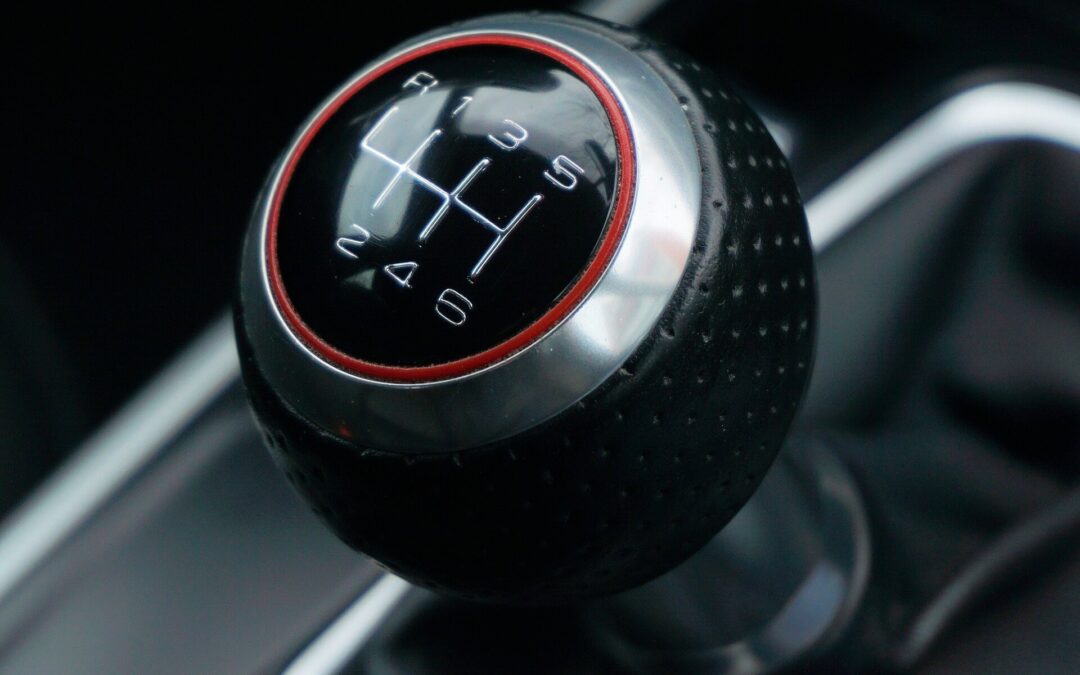
The automatic gears vs manual gears argument has been raging on since the dawn of civilization… well, since the inception of cars! Choosing between automatic gears and manual gears in a vehicle is a common dilemma for many drivers. Some people find one type easier to drive, while others enjoy the control offered by another.
The decision can affect your driving experience, the cost of your car, and even fuel efficiency.
A key fact to consider is that automatic transmissions tend to be more straightforward for beginners but might come at a higher price. Our article will explore the pros and cons of both transmission types, helping you decide which suits you best based on personal preference, driving conditions, and budget considerations.
Keep reading to find out more with our blog about automatic gears vs manual gears!
Transmission Basics
Transmission systems play a crucial role in how vehicles operate. Manual transmissions require the driver to shift gears manually, while automatic transmissions handle gear changes without user input.
What is a manual transmission?
A manual transmission uses a driver-operated clutch and gear shift. This system allows the driver to change gears manually. It offers direct control over the vehicle’s power and performance.
Drivers engage the clutch with their foot while shifting gears with a stick shift. Manual transmissions often provide better fuel efficiency compared to automatic systems. Many enthusiasts prefer this option for its engaging driving experience.
Understanding how an automatic transmission functions helps in making informed choices about your vehicle options.
What is an automatic transmission?
An automatic transmission shifts gears automatically. This system makes driving easier and more comfortable, especially in heavy traffic. Drivers do not need to engage in gear shifting themselves.
The vehicle’s computer manages the operation of the gearbox.
Automatic transmissions use a complex set of components to function smoothly. Hydraulic systems control the process, allowing seamless changes between gears. Many modern cars now feature this technology for its reliability and convenience on various terrains.
While automatic transmissions tend to be more expensive than their manual counterparts, many drivers prefer their ease of use during daily commutes or long drives.
Pros and Cons of Manual Transmission
Driving a manual transmission can offer better fuel efficiency, making it an appealing choice for many. Moreover, enthusiasts often enjoy the feeling of having more power and control over their vehicle’s performance.
Better fuel efficiency
Manual transmissions often offer better fuel efficiency than automatic ones. Drivers can control gear changes, allowing them to optimise engine performance. In many cases, manual vehicles achieve higher miles per gallon (MPG) ratings.
They have simpler components that contribute less weight, which further aids in fuel savings.
Automatic transmissions can be heavier and more complex due to additional parts. These complications sometimes lead to increased fuel consumption. Therefore, for those wanting economical driving, manual gears might be the better choice.
Understanding your vehicle comfort and traffic suitability is key when deciding between transmission system options.
More power
Manual transmissions provide drivers with greater control over their vehicle’s power. This allows for quicker acceleration and better handling in various situations. Enthusiasts appreciate the direct connection between the driver and the car.
They find that shifting gears manually enhances their driving experience.
Automatic transmissions, while convenient, can sometimes limit power delivery during acceleration. Drivers seeking performance often favour manual vehicles for this very reason. By engaging directly with the gears, they harness more engine output effectively.
Power enthusiasts value this advantage when choosing between automatic gears and manual gears: which one suits you?
Less expensive
Manual transmissions tend to cost less than automatic ones. The simpler design of manual gears reduces production costs. Many car buyers appreciate this financial advantage. They often find that manual vehicles also offer lower maintenance expenses over time.
Fewer complicated components mean fewer repairs and replacements are necessary.
Drivers can save money upfront by choosing a manual transmission vehicle. This option often appeals to budget-conscious individuals. Automatic gears might provide convenience, but they typically come with a higher price tag.
In contrast, manual cars provide an economical choice without sacrificing performance or reliability in the automobile market.
Pros and Cons of Automatic Transmission
Automatic transmissions offer ease of use and comfort for drivers. They require less effort to operate, making them a popular choice in heavy traffic situations.
Easier to use and more comfortable
Automatic gears offer a straightforward driving experience. Drivers do not need to shift gears manually, which makes it easier for many people. In heavy traffic or on long journeys, this simplicity provides comfort.
You can focus on the road without worrying about shifting gears constantly.
Comfort during driving plays a vital role in choosing between automatic and manual gears. Automatic transmissions adjust seamlessly to different speeds and conditions. This feature helps reduce fatigue, especially for those who spend hours behind the wheel.
For these reasons, many drivers find automatic vehicles more user-friendly and enjoyable to drive.
More expensive
Automatic transmissions offer great convenience. However, they come with a higher price tag. Generally, an automatic car costs more than a manual one. This includes the purchase price and repair costs.
Maintenance can also be pricier due to complex components in automatic systems.
Many drivers enjoy the ease of automatic gears. Yet, this luxury means spending more money upfront and on repairs later. Keep these financial factors in mind when considering which option suits you best in “Automatic Gears vs Manual Gears: Which One Suits You?
Deciding Between Manual and Automatic Transmission
When choosing between manual and automatic transmission, consider your personal driving style. Think about your usual driving conditions and how each option fits into your daily life.
Personal preference
Choosing between manual and automatic transmission often comes down to personal taste. Some drivers enjoy the connection a manual gearbox provides with their car. They like the control it offers during acceleration and deceleration, which can lead to improved driving performance.
On the other hand, many prefer the convenience of an automatic transmission. It requires less effort in stop-and-go traffic, making drives more relaxed. The cost difference also plays a role in this decision as automatics generally come at higher prices but offer ease of use that some find worth the investment.
Understanding your own comfort level with each type helps make a better choice for your needs. Next, we will explore location and driving conditions in relation to these transmissions.
Location and driving conditions
Location and driving conditions greatly impact your choice between manual and automatic transmission. In busy urban areas, automatic gears are often more convenient. They allow drivers to focus on traffic instead of shifting gears.
Manual transmissions shine in open areas or hilly terrains where control is crucial. Drivers can easily downshift for better power when needed.
Weather conditions also matter. Rain or snow can make manual gear changes tricky. Automatic transmissions adjust to slippery roads, providing a smoother ride without extra effort from the driver.
Considering your usual routes will help you decide which option suits you best.
Considerations for cost and convenience
Cost and convenience play major roles in choosing between manual and automatic transmissions. Manual cars often come with lower purchase prices. They also tend to have better fuel efficiency, which can save money in the long run.
On the other hand, automatic vehicles are generally easier to drive, especially in heavy traffic. This ease of use brings a sense of comfort that many drivers appreciate.
Maintenance costs vary as well. Manuals usually require less frequent servicing than automatics. However, repairs for an automatic transmission can be more expensive if problems arise.
Drivers must weigh these factors based on their personal needs and driving habits before making a final decision about transmission types.
Automatic Gears vs Manual Gears in 2024
Choosing between automatic and manual gears affects your driving experience. The automatic gears vs manual gears debate is still a point of contention in 2024. It depends on what you prefer. Each type offers unique benefits and drawbacks. Manual transmissions often provide better fuel efficiency, power, and lower costs.
In contrast, automatics offer ease of use and comfort but usually come with a higher price tag. Consider your personal preferences as well as driving conditions before deciding. Reflect on what matters most to you in a vehicle, then make your choice confidently!
At SPS Car Hire Pattaya, we have a vast selection of rental car deals in Thailand. Click on the button below for more details. You can also click here to rent motorbikes in Pattaya.
 -
- -
- -
- -
- -
- -
- -
-